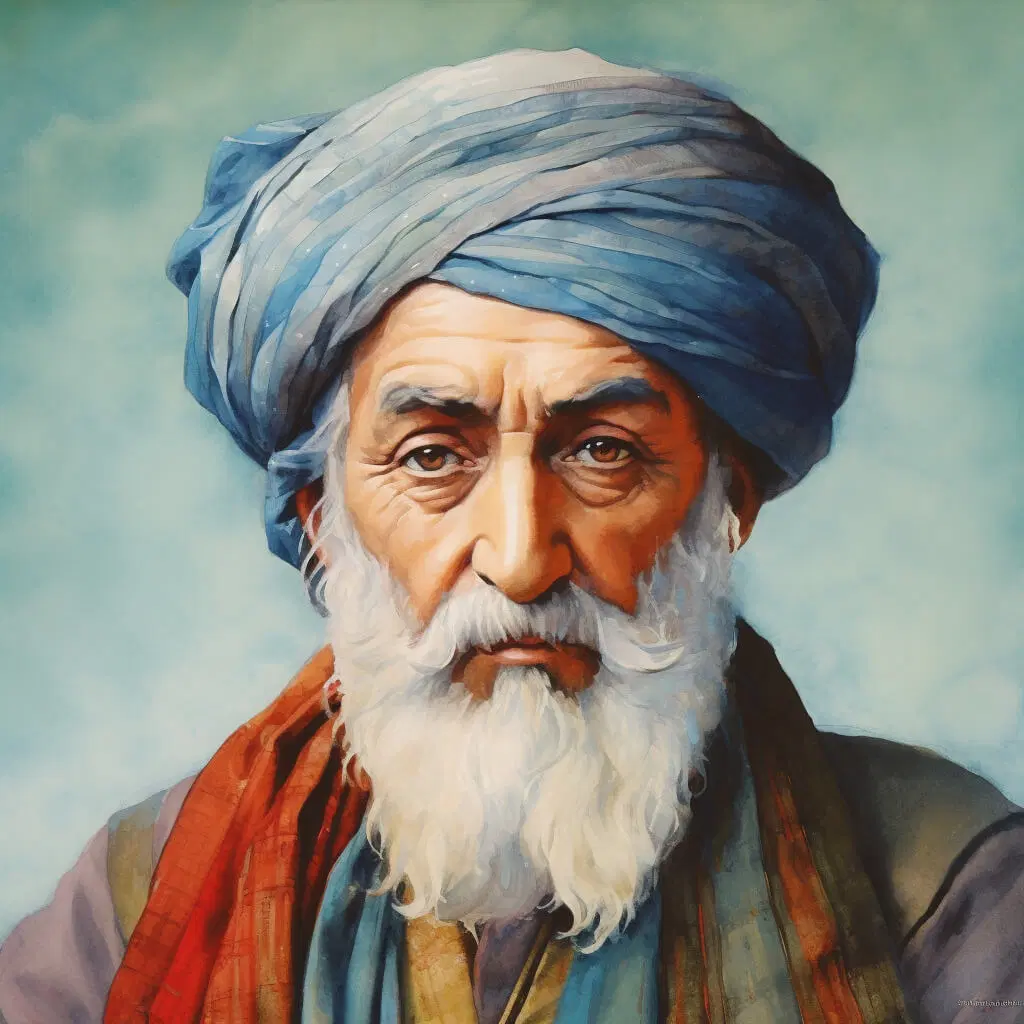
Embracing the Symphony of Spirit
Rumi invites us into a profound understanding of community and spiritual connection with his evocative words: "There is a community of the spirit. Join it, and feel the delight of walking in the noisy street and being the noise." This statement beckons us to recognize the vibrancy of collective existence, urging us to participate fully in the cacophony of life. It is a call to transcend isolation and embrace the shared experience of humanity, where each voice contributes to a greater harmony. The stakes are high; in a world often marked by division and solitude, Rumi's invitation offers a pathway to unity and joy.
Delving deeper, Rumi's words resonate with the essence of Sufi thought, which emphasizes the interconnectedness of all beings. The "community of the spirit" suggests a realm beyond mere physical presence; it speaks to a shared consciousness that binds us together in our quest for meaning and belonging. To "join it" is not merely to acknowledge this community but to actively engage with it, to immerse oneself in the vibrancy of life, and to recognize that our individual experiences are woven into the larger tapestry of existence. This is not just an intellectual exercise; it is an invitation to feel, to participate, and to celebrate the richness of our shared journey.
The image / the metaphor
Rumi's imagery is striking and evocative. The "noisy street" serves as a metaphor for the bustling, chaotic nature of life itself, filled with myriad voices, experiences, and emotions. The choice of the word "noise" is particularly poignant; it suggests that life is not always harmonious or serene, yet it is in this very noise that we find the essence of our shared humanity. To "be the noise" implies an active participation in this vibrancy, a willingness to embrace the full spectrum of existence, including its dissonance and discord. It is a call to move beyond the confines of silence and isolation into a dynamic engagement with the world.
On a deeper level, the metaphor of walking in a noisy street can be seen as a representation of the spiritual journey itself. Just as one navigates the complexities of a bustling environment, so too must we navigate the intricacies of our inner and outer lives. The act of joining the community of the spirit requires us to step into the fray, to acknowledge our place within the collective experience, and to recognize that our individual contributions are vital to the overall symphony. In this way, Rumi invites us to embrace both the chaos and the beauty of life, suggesting that true delight arises from our willingness to engage with the world around us.
In the speaker's tradition
Rumi's insights are deeply rooted in the Sufi tradition, which emphasizes the importance of community, love, and the quest for divine union. Central to Sufi thought is the concept of "fana," or the annihilation of the self in the presence of the divine. This idea aligns beautifully with Rumi's call to join the community of the spirit; it suggests that in losing ourselves in the collective experience, we may find a deeper connection to the divine. The Sufi path encourages us to dissolve the boundaries of the ego, allowing us to experience the joy of unity with others and with the divine source of all existence.
Moreover, Rumi's emphasis on participation echoes the Sufi practice of "dhikr," or the remembrance of God, which often involves communal gatherings where individuals come together to chant, sing, and celebrate their shared spirituality. This communal aspect of Sufi practice reinforces the idea that spiritual growth is not a solitary endeavor but rather a collective journey. In texts such as the "Masnavi," Rumi illustrates the importance of community in the spiritual quest, reminding us that our individual paths are enriched by the connections we forge with others.
Living the teaching
Consider a modern scenario where Rumi's teaching resonates profoundly: a community gathering aimed at addressing local issues. In such a setting, individuals from diverse backgrounds come together, each bringing their unique perspectives and experiences. The "noisy street" becomes a metaphor for the vibrant discussions, debates, and shared laughter that emerge as participants engage with one another. By joining this community, individuals not only contribute their voices but also experience the delight of collective action, realizing that their individual efforts are part of a larger movement toward positive change.
In a more personal context, think about a challenging relationship where communication has broken down. Rumi's invitation to "join the community of the spirit" can serve as a guiding principle. By actively engaging with the other person, listening deeply, and expressing oneself authentically, one can transform the "noise" of conflict into a dialogue that fosters understanding and connection. This practice of participation, even in difficult moments, allows for the possibility of healing and reconciliation, illustrating that the path to joy often lies in our willingness to engage with others, even when it feels uncomfortable.
A reflection
As we contemplate Rumi's invitation to join the community of the spirit, we are left with a profound question to ponder: How can I actively participate in the vibrant tapestry of life around me, embracing both the joy and the noise? This question invites us to reflect on our own connections, our willingness to engage with others, and the ways in which we can contribute to the collective experience of humanity. In answering this question, we may discover new avenues for connection, understanding, and delight in the shared journey of existence.

Join the BrightStar Community
Stay connected with daily inspiration, event announcements, and community wisdom