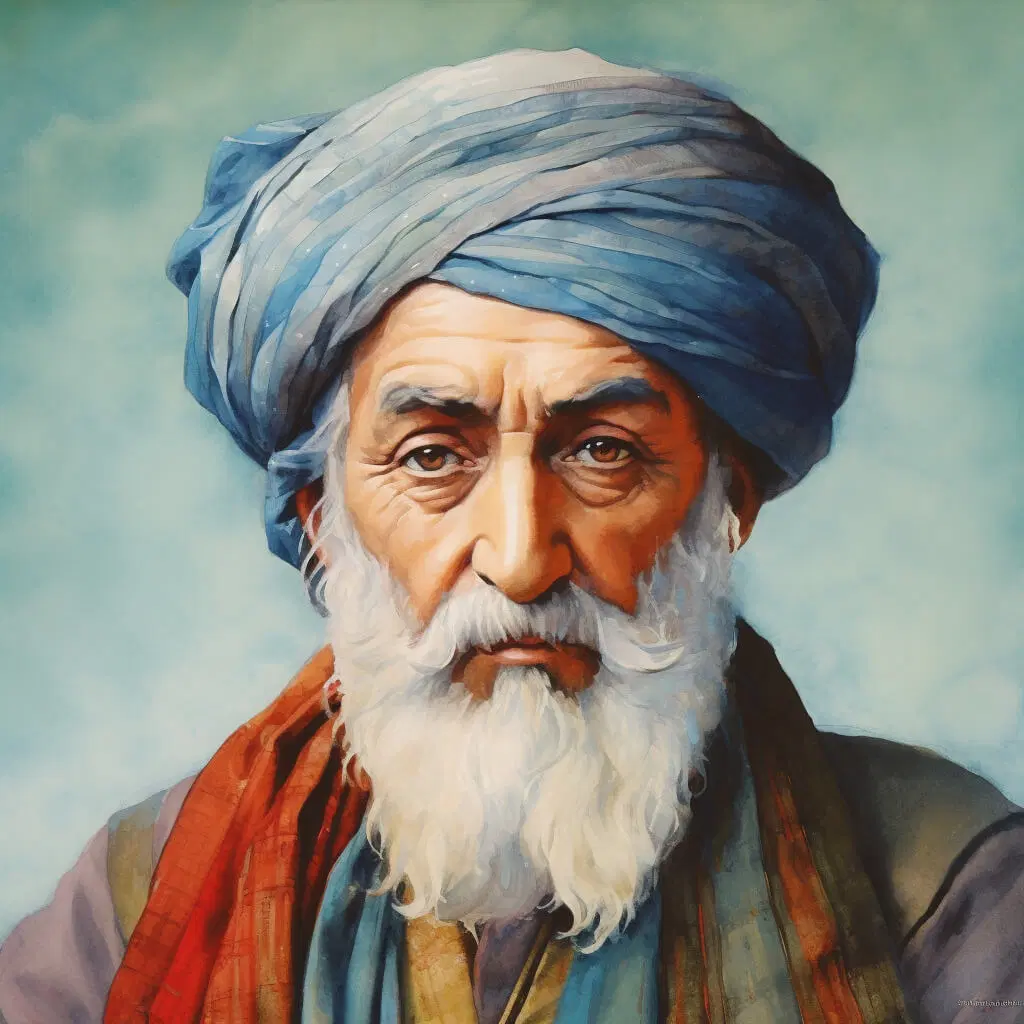
Illuminating the Wound: Rumi's Path to Healing
Rumi's profound assertion, "The wound is the place where the Light enters you," invites us to reconsider our relationship with suffering and pain. Rather than viewing wounds as mere sources of anguish, Rumi suggests that they can become portals to illumination and growth. This perspective is crucial in a world that often seeks to avoid discomfort, urging us to embrace our vulnerabilities as essential components of our spiritual journey.
In a culture that frequently equates success with the absence of struggle, Rumi's words serve as a gentle reminder that healing often emerges from our deepest wounds. The light that enters through these openings is not merely a metaphor for hope; it represents a transformative energy that can catalyze profound personal evolution. By acknowledging our wounds, we allow ourselves to be touched by the divine, fostering a deeper connection to ourselves and the universe.
The image / the metaphor
At first glance, Rumi's imagery evokes a visceral understanding of pain and healing. The "wound" signifies not only physical injuries but also emotional and spiritual scars that we carry throughout our lives. The use of the verb "enters" implies an active process, suggesting that light does not merely illuminate but penetrates, transforming the very essence of our being. This dynamic interplay between darkness and light encapsulates the human experience, where suffering often precedes enlightenment.
Diving deeper into the metaphor, we can see that the wound symbolizes our inherent fragility and the rawness of our existence. It is through these cracks in our armor that we become receptive to the light of wisdom, compassion, and understanding. Rumi's insight encourages us to view our wounds not as blemishes to be concealed but as sacred openings that allow for the infusion of divine grace. This perspective invites us to cultivate a sense of reverence for our suffering, recognizing it as a vital aspect of our spiritual maturation.
In the speaker's tradition
Rumi's teachings are deeply rooted in Sufism, a mystical branch of Islam that emphasizes the pursuit of divine love and knowledge. Central to Sufi thought is the concept of *fana*, or the annihilation of the self, which aligns with Rumi's notion that our wounds can lead to a deeper understanding of the self and the divine. This journey often involves a process of *kenosis*, or self-emptying, where one must let go of ego and attachment to experience true spiritual awakening.
In the context of Rumi's poetry, we can draw parallels to the idea of *bhakti*, or devotion, which emphasizes surrendering oneself to a higher power. The light that enters through our wounds can be seen as a manifestation of divine love, illuminating our path toward unity with the divine. Rumi's work resonates with the teachings found in the *Masnavi*, where he explores the transformative power of love and suffering, illustrating how both are essential for spiritual growth.
Living the teaching
Consider a modern scenario where an individual faces the aftermath of a significant loss, such as the death of a loved one. Initially, this wound feels insurmountable, shrouded in darkness and despair. However, as time passes, the individual begins to find solace in memories and connections that transcend the physical realm. This process exemplifies Rumi's teaching: through the pain of loss, the light of love and cherished moments enters, fostering healing and a renewed appreciation for life.
In relationships, Rumi's insight can be particularly poignant. Imagine a couple navigating a period of conflict, where misunderstandings have created emotional wounds. By confronting these issues openly and vulnerably, they allow the light of understanding and empathy to enter their relationship. This act of vulnerability not only heals their wounds but also strengthens their bond, illustrating how the light can transform even the most challenging circumstances into opportunities for growth and deeper connection.
A reflection
As we contemplate Rumi's profound words, we are invited to reflect on our own wounds and the light that may be waiting to enter. What aspects of your life have been marked by suffering, and how might they serve as gateways to deeper understanding and healing? In embracing our wounds, we open ourselves to the transformative power of light, allowing it to guide us on our spiritual journey.


Join the BrightStar Community
Stay connected with daily inspiration, event announcements, and community wisdom