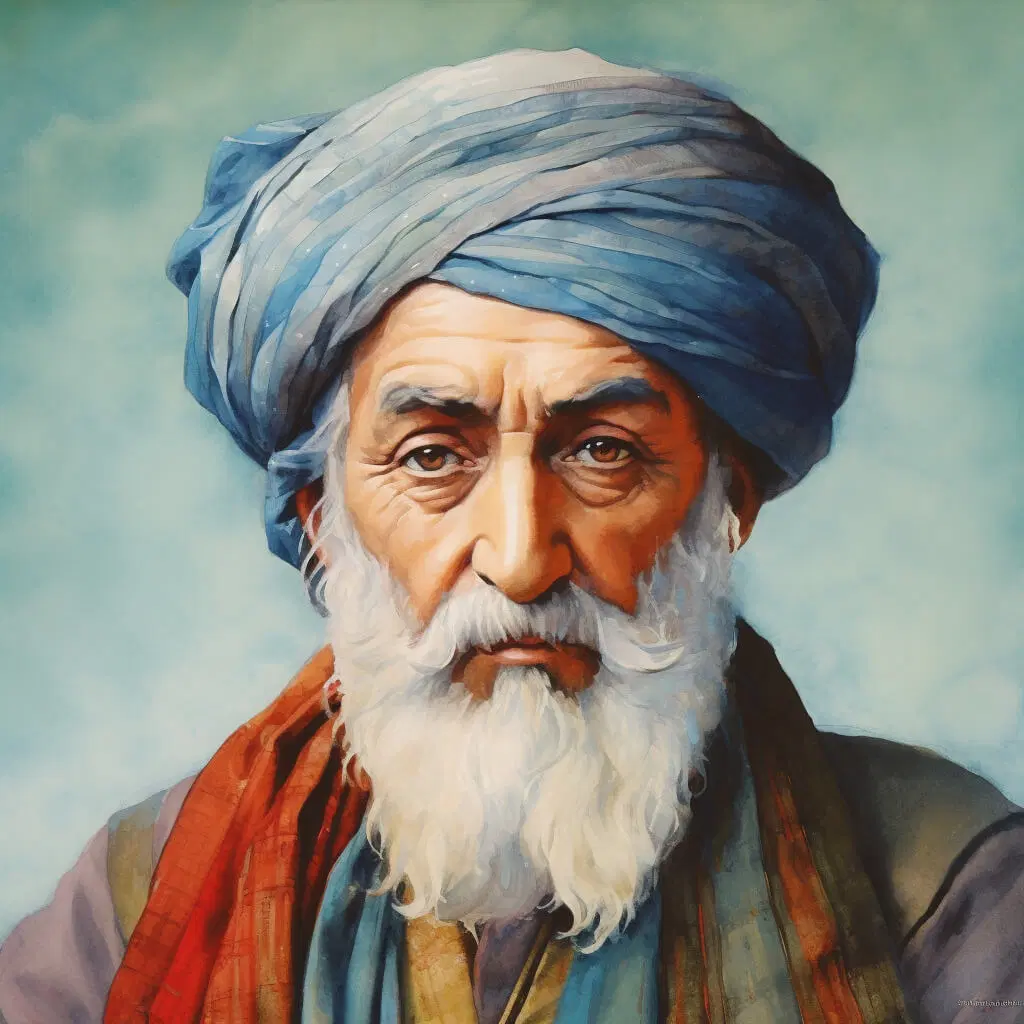
Beyond Right and Wrong: A Journey to Unity
Rumi invites us to a profound space that transcends the dualities of right and wrong, a realm he describes as a field where true connection and understanding can flourish. In this invitation, he beckons us to step away from the confines of judgment and separation, suggesting that in this expansive field, we can meet one another in our shared humanity. This notion is not merely poetic; it is a call to explore the depths of love and unity that lie beyond our often rigid perceptions of morality.
In a world increasingly polarized by differing beliefs and values, Rumi's words resonate with a timeless urgency. They challenge us to reconsider our relationships with others and ourselves, urging us to seek a deeper understanding that transcends the superficial divisions created by societal norms. This field, as Rumi describes, is not a physical place but a state of being, a consciousness that invites us to embrace compassion, empathy, and ultimately, love.
The image / the metaphor
Rumi's metaphor of a "field" evokes a sense of openness and possibility, a space where the complexities of human experience can be explored without the constraints of binary thinking. The choice of the word "meet" suggests an active engagement, a willingness to come together in this expansive realm. This imagery invites us to envision a landscape where differences dissolve, and the essence of our shared existence can be felt and celebrated.
Diving deeper into this metaphor, we can see the field as a symbol of spiritual awakening, where the boundaries of self and other blur. In this space, the labels of "wrongdoing" and "rightdoing" lose their significance, allowing for a more profound connection to emerge. It is here that we can cultivate a sense of belonging that transcends the superficial divisions of our identities, leading us toward a more authentic experience of love and unity.
In the speaker's tradition
Rumi's teachings are deeply rooted in Sufism, a mystical branch of Islam that emphasizes the inner, experiential aspects of spirituality. Central to Sufi thought is the concept of "fana," or the annihilation of the self, which aligns beautifully with Rumi's invitation to step beyond dualistic thinking. In this context, the field represents a state of being where the ego dissolves, allowing for a direct experience of divine love and unity with all beings.
Moreover, Rumi's emphasis on love as a transformative force echoes the Sufi principle of "ishq," or divine love, which transcends the limitations of human understanding. In his poetry, Rumi often draws upon the imagery of the beloved, suggesting that the journey toward unity is also a journey toward the divine. This resonates with the teachings found in the "Masnavi," where Rumi explores the nature of love and the soul's longing for connection with the divine source.
Living the teaching
Consider a modern scenario where this teaching might find its application: a heated discussion about political beliefs among friends. Each person stands firm in their convictions, creating a chasm of misunderstanding and resentment. However, if they could step into Rumi's field, they might find common ground in their shared hopes for a better world, allowing compassion to replace judgment. This shift in perspective could transform the conversation from one of conflict to one of connection, fostering a deeper understanding of one another's experiences.
In the realm of personal relationships, Rumi's invitation to meet in the field can be particularly poignant during moments of conflict. Imagine a couple facing a disagreement that feels insurmountable. By stepping beyond the labels of "right" and "wrong," they can approach each other with vulnerability and openness, seeking to understand the underlying emotions driving their perspectives. In this space of empathy, they may discover a renewed sense of love and partnership, reinforcing the idea that true connection often lies beyond the surface of our differences.
A reflection
As we contemplate Rumi's invitation to meet in the field beyond right and wrong, we are called to reflect on our own lives. Where do we find ourselves entrenched in judgment, and how might we step into a more expansive understanding of love and unity? Consider this question: What would it mean for you to meet someone in that field, leaving behind the constraints of your beliefs and embracing the shared humanity that connects us all?

Join the BrightStar Community
Stay connected with daily inspiration, event announcements, and community wisdom