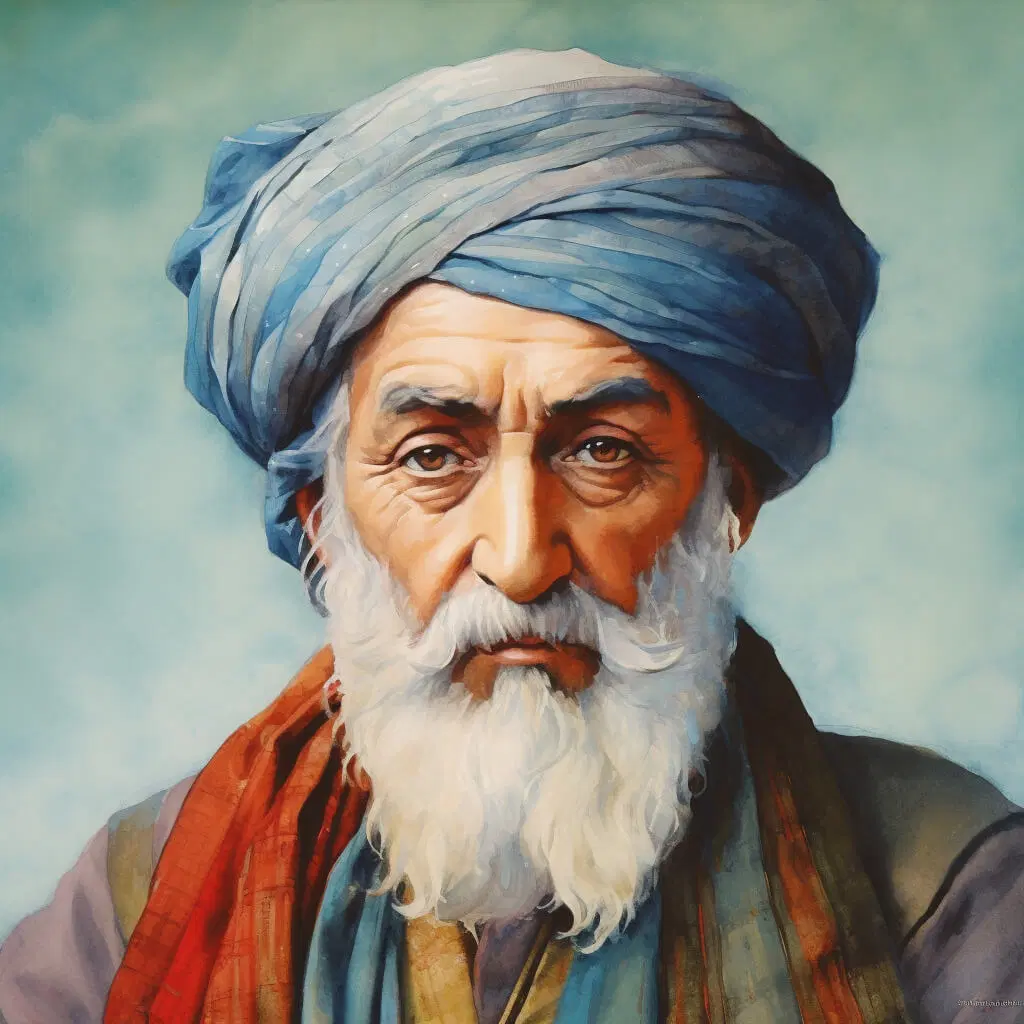
Reflections in the Soul's Mirror
Rumi's profound assertion, "Everything is a mirror. Look at yourself in all things," invites us to explore the interconnectedness of existence and the self. This statement serves as a reminder that our perceptions of the world are often reflections of our inner landscapes. By recognizing that everything we encounter can reveal aspects of ourselves, we engage in a transformative journey toward self-awareness and unity with the cosmos. This exploration is not merely an intellectual exercise; it is a call to deepen our understanding of our place within the vast tapestry of life.
At its core, Rumi's quote challenges us to reconsider the nature of our relationships with others and the world around us. It suggests that the external world is not separate from us but rather a canvas upon which our inner truths are painted. This perspective encourages us to cultivate a sense of mindfulness, urging us to look beyond surface appearances and to seek the deeper meanings that lie beneath. In doing so, we can uncover the profound wisdom that resides within our experiences, ultimately leading us toward a more authentic and harmonious existence.
The image / the metaphor
The imagery of a mirror evokes a sense of reflection, both literal and metaphorical. A mirror serves as a tool for self-examination, allowing us to see our physical form and, by extension, our emotional and spiritual states. Rumi's use of the word "everything" expands this metaphor to encompass all aspects of life—nature, relationships, and even challenges. The act of looking into a mirror requires vulnerability; it demands that we confront not only our beauty but also our flaws. This duality is essential in understanding the holistic nature of our existence.
Diving deeper into the metaphor, we realize that mirrors do not simply reflect; they also distort and amplify. In this way, Rumi suggests that our perceptions can be influenced by our emotions and beliefs, leading us to see what we wish to see rather than the truth. This distortion can serve as a powerful lesson, prompting us to examine our biases and assumptions. By acknowledging that our interpretations of the world are colored by our inner states, we can begin to peel back the layers of illusion and approach a more authentic understanding of ourselves and our relationships.
In the speaker's tradition
Rumi's insights are deeply rooted in Sufi philosophy, which emphasizes the unity of all existence and the interconnectedness of the self with the divine. Concepts such as *fana*, or the annihilation of the self, resonate with the idea that recognizing ourselves in all things leads to a dissolution of the ego. This process allows us to experience a profound sense of oneness with the universe. Additionally, the Sufi practice of *dhikr*, or remembrance, encourages practitioners to see the divine in every aspect of life, reinforcing the notion that everything we encounter is a reflection of the sacred.
In Rumi's *Masnavi*, he often illustrates the journey of the soul toward enlightenment through parables and metaphors that reveal deeper truths about existence. One such story involves a seeker who learns that the external world is a manifestation of the inner self. This narrative echoes the sentiment of Rumi's quote, emphasizing that our experiences are not isolated events but rather interconnected reflections that guide us toward greater self-awareness and spiritual growth. Through this lens, we can appreciate the wisdom embedded in our daily encounters and the lessons they offer.
Living the teaching
Consider a modern scenario where this teaching might resonate: a person finds themselves in a heated argument with a colleague. In the heat of the moment, they may project their frustrations onto the other person, failing to recognize that their anger stems from unresolved issues within themselves. By applying Rumi's teaching, they could pause and reflect on what this conflict reveals about their own insecurities or unmet needs. This shift in perspective allows for a more compassionate response, transforming a potential conflict into an opportunity for personal growth and deeper understanding.
A reflection
As we contemplate Rumi's profound assertion, we are invited to engage in a deeper inquiry: What aspects of myself do I see reflected in the world around me? This question encourages us to explore the connections between our inner experiences and the external realities we encounter. By embracing this reflective practice, we can cultivate a greater sense of awareness and compassion, ultimately leading us toward a more harmonious existence within the intricate web of life.


Join the BrightStar Community
Stay connected with daily inspiration, event announcements, and community wisdom