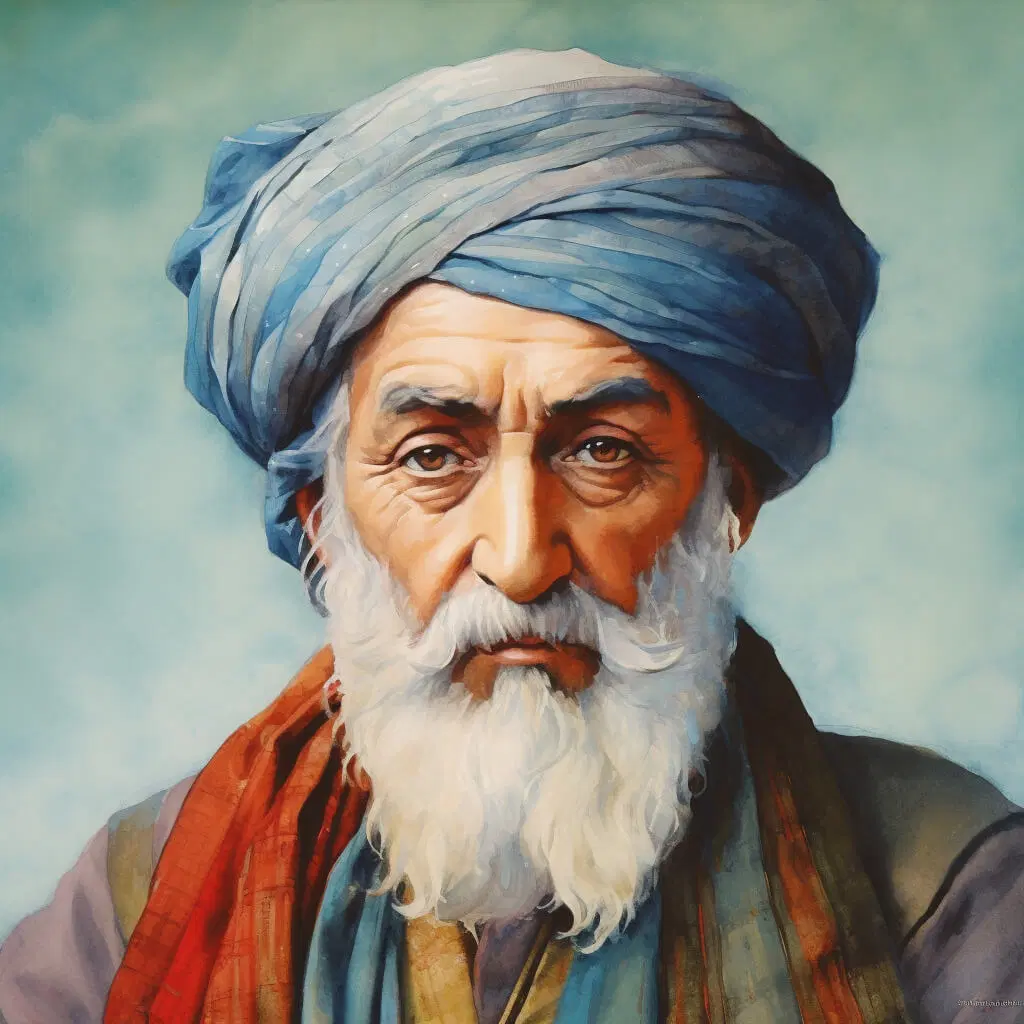
Embracing the Generosity of Nature
Rumi invites us to embody the qualities of the sun, the wind, and the earth, urging us to give selflessly to those in need. This call to generosity transcends mere acts of kindness; it beckons us to cultivate a spirit of unconditional giving that mirrors the natural world. In a time when individualism often reigns supreme, Rumi's wisdom serves as a poignant reminder of our interconnectedness and the profound impact of our generosity on the collective human experience.
To be like the sun, the wind, and the earth is to recognize the inherent abundance that surrounds us and to share that abundance freely. Each element of nature offers its gifts without expectation or condition, teaching us that true generosity flows from a place of love and compassion. This perspective not only enriches our lives but also fosters a sense of community and belonging, reminding us that we are all part of a larger tapestry of existence.
The image / the metaphor
The imagery in Rumi's quote evokes a vivid sense of the natural world, where the sun radiates warmth, the wind carries whispers of change, and the earth nurtures life. Each element is characterized by its ability to give without reservation, embodying a spirit of generosity that is both powerful and gentle. The verbs chosen—"be like"—suggest an active engagement with these qualities, inviting us to embody them in our daily lives.
Diving deeper into the metaphor, we see that the sun represents illumination and vitality, the wind symbolizes freedom and movement, and the earth signifies stability and sustenance. Together, they create a holistic vision of giving that encompasses not only material support but also emotional and spiritual nourishment. This interconnectedness of elements serves as a reminder that our acts of generosity can take many forms, each contributing to the well-being of others in unique and meaningful ways.
In the speaker's tradition
Rumi's teachings are deeply rooted in Sufism, a mystical branch of Islam that emphasizes the inner dimensions of faith and the pursuit of divine love. Concepts such as *fana* (the annihilation of the self) and *kenosis* (self-emptying) resonate with the essence of Rumi's call to give selflessly. In this context, to embody the qualities of the sun, wind, and earth is to transcend the ego and embrace a state of being that prioritizes the needs of others over our own desires.
In Rumi's *Masnavi*, he often explores themes of love, unity, and the divine nature of generosity. For instance, he writes about the importance of selfless love as a path to spiritual awakening, illustrating how acts of kindness can lead us closer to the divine. This connection between generosity and spiritual growth underscores the transformative power of giving, inviting us to see our actions as not just beneficial to others but also as a means of deepening our own spiritual journey.
Living the teaching
Consider a modern scenario where this teaching can be applied: a community facing the challenges of economic hardship. In such a context, individuals who embody the spirit of the sun, wind, and earth might come together to create a food bank, offering nourishment to those in need without expectation of return. This act of collective generosity not only addresses immediate needs but also fosters a sense of solidarity and hope within the community, illustrating how giving can transform lives and strengthen bonds.
In personal relationships, the teaching of Rumi can manifest in moments of conflict or misunderstanding. Instead of holding onto grievances, one might choose to approach the situation with the openness of the wind, allowing for dialogue and healing. By embodying the qualities of generosity and compassion, we create space for reconciliation and deeper connection, reminding ourselves that love often flourishes in the fertile ground of selfless giving.
A reflection
As we contemplate Rumi's invitation to "be like the sun, the wind, the earth," we are called to reflect on our own capacity for generosity. How can we cultivate a spirit of giving in our daily lives, and what might we need to release in order to do so? In this moment of reflection, let us consider the ways in which our actions can contribute to the well-being of others, and how embracing the essence of nature can lead us to a more fulfilling and interconnected existence.



Join the BrightStar Community
Stay connected with daily inspiration, event announcements, and community wisdom