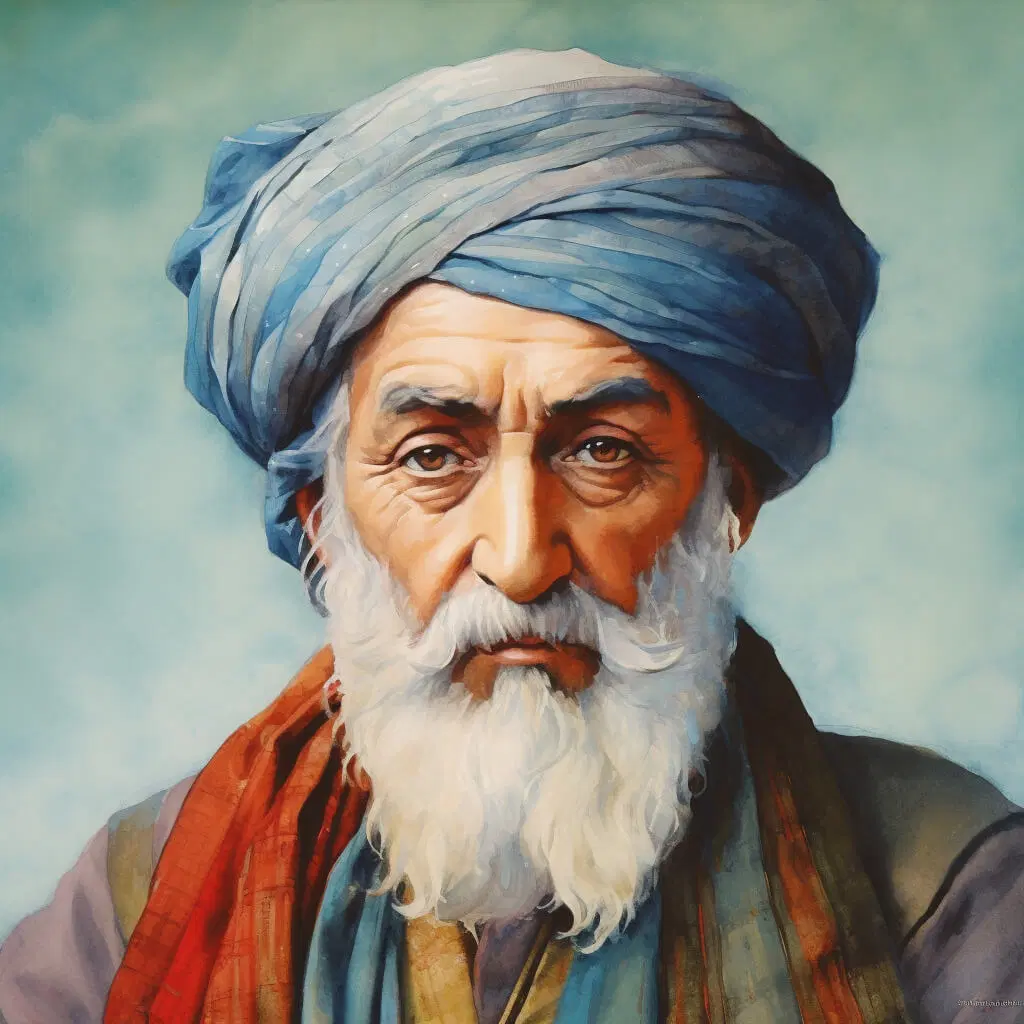
Illuminating the Path: Rumi's Call to Service
In the evocative words of Rumi, "Be a lamp, or a lifeboat, or a ladder," we find a profound invitation to embody service in its many forms. This quote encapsulates the essence of selflessness, urging us to illuminate the lives of others, provide refuge in times of need, and elevate those around us. In a world often clouded by darkness and despair, Rumi's wisdom serves as a beacon, reminding us of our potential to make meaningful contributions to the lives of others.
Rumi's call to action resonates deeply within the human experience, challenging us to reflect on our roles in the lives of those we encounter. The imagery of a lamp, a lifeboat, and a ladder evokes a sense of urgency and purpose, suggesting that our existence is not merely for ourselves but for the upliftment of others. This perspective invites us to consider how we can actively participate in the collective journey of humanity, fostering connection and compassion in a world that often feels fragmented.
The image / the metaphor
At first glance, Rumi's metaphor presents three distinct yet interconnected images: a lamp, a lifeboat, and a ladder. Each of these symbols carries its own weight and significance. A lamp represents light, warmth, and guidance, illuminating the path for those who wander in darkness. A lifeboat signifies safety and rescue, offering solace to those in perilous situations. Meanwhile, a ladder embodies elevation and support, enabling others to rise above their circumstances. Together, these images create a tapestry of service that is both practical and spiritual, inviting us to engage with the world in transformative ways.
Diving deeper into the metaphor, we can see that each element reflects a different aspect of our potential to serve. The lamp not only dispels darkness but also symbolizes knowledge and enlightenment, suggesting that our role is to share wisdom and insight. The lifeboat emphasizes the importance of compassion and empathy, reminding us that we must be present for others in their moments of crisis. The ladder, on the other hand, speaks to the idea of empowerment, encouraging us to help others ascend to greater heights, fostering their growth and potential. In this way, Rumi's imagery serves as a multifaceted guide for living a life of purpose and service.
In the speaker's tradition
Rumi's teachings are deeply rooted in Sufism, a mystical branch of Islam that emphasizes the inner dimensions of spirituality and the pursuit of divine love. Central to Sufi thought is the concept of *fana*, or self-annihilation, which encourages individuals to transcend their ego and embrace a life of service to others. This aligns beautifully with Rumi's exhortation to be a lamp, a lifeboat, or a ladder, as it underscores the importance of selflessness and the interconnectedness of all beings. In this context, service becomes a pathway to experiencing the divine, as we recognize that our actions toward others reflect our relationship with the greater cosmos.
Moreover, Rumi's emphasis on service resonates with the Sufi practice of *bhakti*, or devotion, which calls for an unwavering commitment to love and compassion. Just as a lamp shines brightly to illuminate the darkness, so too does the heart of a devoted individual radiate love and kindness. In his *Masnavi*, Rumi often illustrates the transformative power of love and the necessity of serving others as a means of expressing that love. This interconnectedness of love and service is a cornerstone of Sufi philosophy, inviting us to see our lives as a continuous act of devotion to the well-being of others.
Living the teaching
Consider a modern scenario where Rumi's teaching might resonate: a friend facing a personal crisis, perhaps the loss of a job or a relationship. In this moment, the call to be a lifeboat becomes profoundly relevant. By offering a listening ear, emotional support, or even practical assistance, we embody the essence of service that Rumi advocates. This act of being present for another not only provides comfort but also strengthens the bonds of connection, reminding us that we are not alone in our struggles. In this way, we can transform our relationships into vessels of healing and hope.
Another application of Rumi's wisdom can be found in our daily practices, such as in the workplace or community settings. Imagine a colleague who is struggling with their workload or feeling overwhelmed. By choosing to be a ladder, we can offer our support, sharing our skills and resources to help them rise above their challenges. This act of service not only uplifts the individual but also fosters a culture of collaboration and mutual aid. In both scenarios, Rumi's call to be a lamp, a lifeboat, or a ladder serves as a guiding principle, encouraging us to actively engage in the lives of others and contribute to their well-being.
A reflection
As we contemplate Rumi's profound invitation, we are left with a contemplative question: In what ways can I embody the roles of a lamp, a lifeboat, or a ladder in my own life? This inquiry invites us to reflect on our relationships, our communities, and our personal journeys, challenging us to consider how we can illuminate the paths of others, offer refuge in times of need, and support the ascent of those around us. By engaging with this question, we open ourselves to the transformative power of service, allowing Rumi's wisdom to guide us toward a more compassionate and connected existence.


Join the BrightStar Community
Stay connected with daily inspiration, event announcements, and community wisdom