Unveiling the Barriers to Love
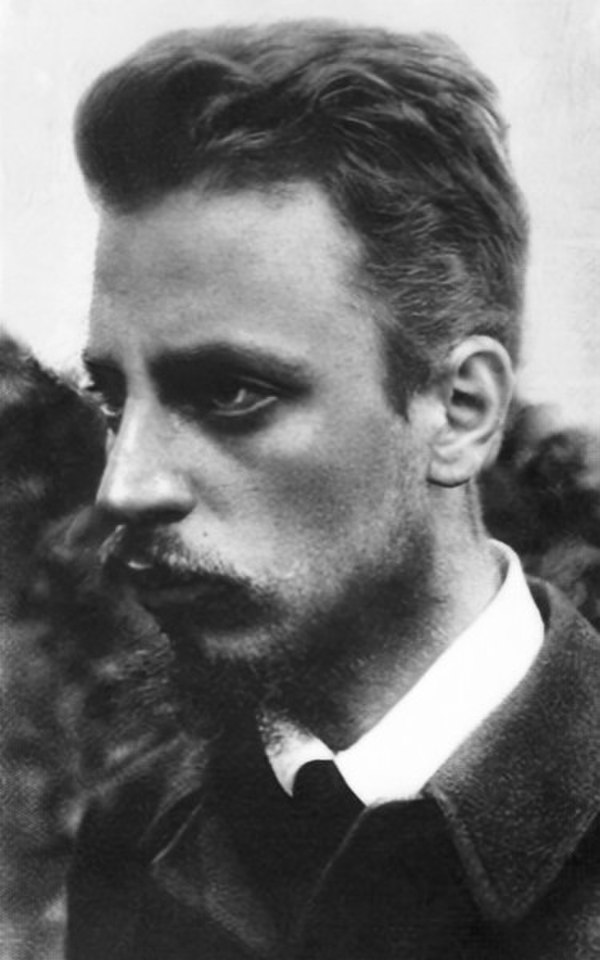
Rainer Maria Rilke's poignant assertion, "Your task is not to seek for love, but merely to seek and find all the barriers within yourself that you have built against it," invites us to reconsider our understanding of love. Rather than pursuing love as an external entity to be found or earned, Rilke suggests that our journey lies in introspection, in recognizing the self-imposed obstacles that hinder our ability to love and be loved. This perspective shifts the focus from the external to the internal, urging us to confront the fears, insecurities, and ego-driven narratives that often cloud our capacity for genuine connection.
In a world that often equates love with possession or validation, Rilke's wisdom serves as a gentle reminder of the profound inner work required to cultivate authentic relationships. The barriers he speaks of are not merely emotional but are deeply rooted in our self-concept and worldview. By acknowledging these barriers, we embark on a transformative journey that not only enhances our ability to love others but also deepens our relationship with ourselves. This exploration is essential, as it lays the groundwork for a more profound and unconditional experience of love.
The image / the metaphor
Rilke's quote employs vivid imagery that evokes a sense of both challenge and possibility. The notion of "barriers" conjures images of walls and obstacles, suggesting that love is not something to be chased but rather a state of being that is often obscured by our own constructions. The verbs "seek" and "find" imply an active engagement with our inner landscape, urging us to embark on a quest not for love itself, but for the understanding of what prevents us from experiencing it fully. This metaphorical journey is one of excavation, revealing layers of self that may have been hidden or neglected.
Diving deeper into the metaphor, we can perceive these barriers as manifestations of our ego—defensive mechanisms that arise from past wounds, fears of vulnerability, or societal conditioning. Each barrier represents a story we tell ourselves about our worthiness of love, often rooted in experiences of rejection or inadequacy. By recognizing these barriers, we can begin to dismantle them, allowing love to flow more freely into our lives. This process is akin to clearing a path through a dense forest, where the light of love can finally penetrate and illuminate our hearts.
In the speaker's tradition
Rainer Maria Rilke's insights resonate deeply within the tradition of transcendentalism, which emphasizes the inherent goodness of people and nature, as well as the importance of individual intuition and self-exploration. Concepts such as dharma, or one's true path, and kenosis, the act of self-emptying, align closely with Rilke's call to uncover the barriers within ourselves. In this context, love is not merely an emotion but a state of being that requires us to transcend our ego and embrace a more expansive understanding of our interconnectedness with others.
Rilke's thoughts echo the sentiments found in the writings of other transcendentalists, such as Ralph Waldo Emerson, who spoke of the divine presence within each individual. In his essay "Self-Reliance," Emerson emphasizes the importance of trusting oneself and recognizing the innate wisdom that resides within. This alignment with Rilke's message underscores the idea that the journey toward love is intrinsically tied to self-discovery and the courage to confront our inner barriers. Both writers invite us to embrace a path of introspection that ultimately leads to a more profound connection with ourselves and the world around us.
Living the teaching
Consider a modern scenario where this teaching resonates: a person navigating the complexities of dating in a world filled with superficial connections. In their quest for love, they may find themselves repeatedly drawn to partners who do not fulfill their emotional needs, often overlooking the patterns that lead them there. By applying Rilke's wisdom, this individual can begin to explore the barriers they have constructed—perhaps a fear of vulnerability or a belief that they are unworthy of deep love. Through this introspective journey, they can start to dismantle these barriers, allowing for healthier, more authentic relationships to emerge.
Another application of Rilke's teaching can be found in the context of long-term relationships. Couples often face challenges that stem from unresolved personal issues—insecurities, past traumas, or uncommunicated needs. By embracing the idea of seeking the barriers within themselves, each partner can take responsibility for their emotional landscape, fostering an environment of openness and understanding. This practice not only strengthens the bond between partners but also cultivates a deeper sense of self-love, as they learn to navigate their vulnerabilities together, transforming barriers into bridges of connection.
A reflection
As we contemplate Rainer Maria Rilke's profound insight, we are invited to engage in a reflective practice that encourages us to examine our own barriers to love. What fears or beliefs have you constructed that prevent you from fully embracing love in your life? This question serves as a starting point for a deeper exploration of your inner landscape, urging you to confront the obstacles that may be standing in the way of your capacity to love and be loved. In this journey of self-discovery, may you find the courage to dismantle those barriers and open your heart to the transformative power of love.


Join the BrightStar Community
Stay connected with daily inspiration, event announcements, and community wisdom