Seeing Beyond the Veil of Memory
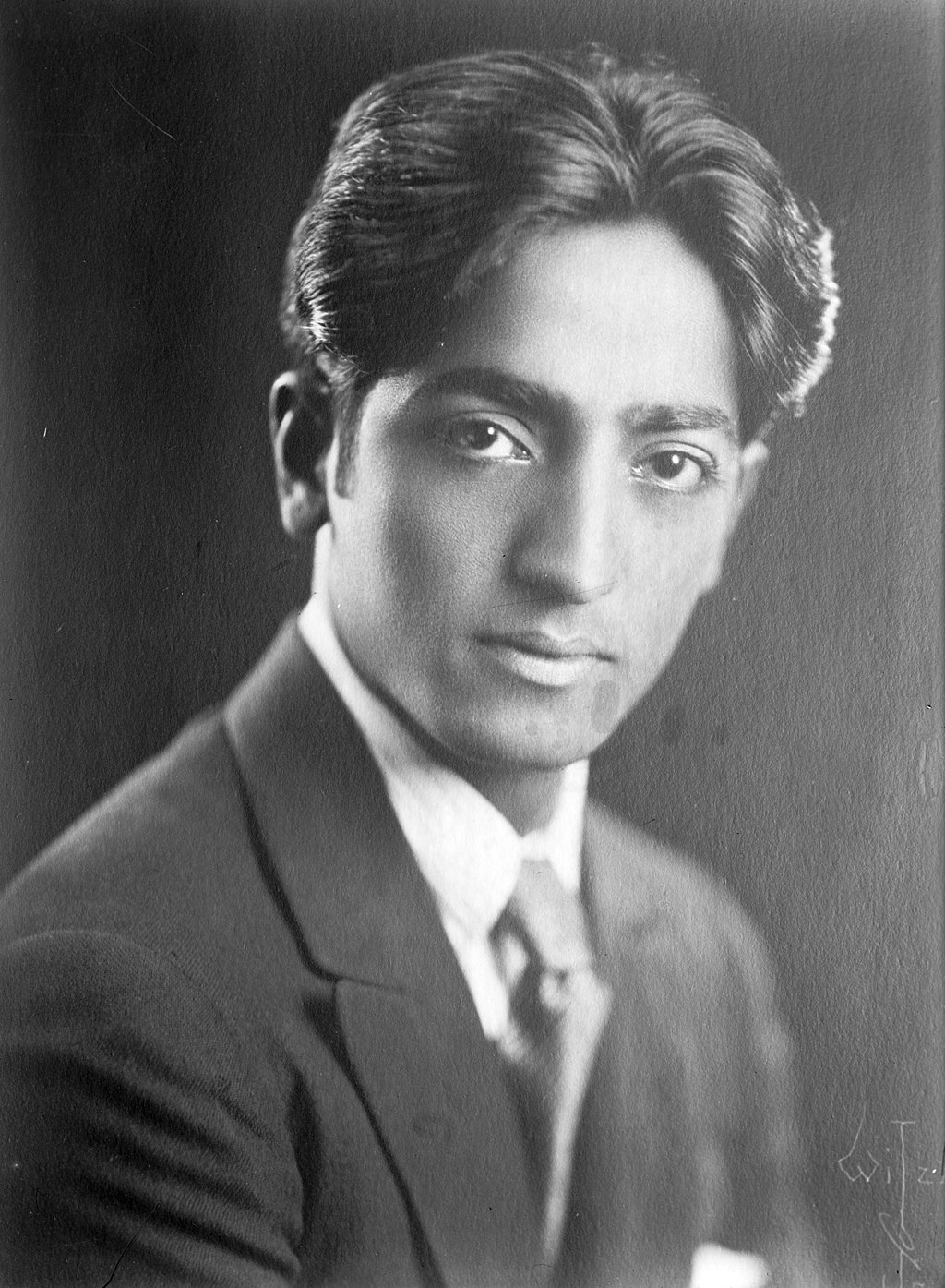
Jiddu Krishnamurti's assertion that "true relationship is to look at the other without the screen of the past" invites us to reconsider the nature of our connections with others. It suggests that genuine interaction requires a radical openness, a willingness to encounter another person free from the biases and memories that shape our perceptions. This perspective is crucial, as it challenges us to cultivate relationships that are not merely reflections of our past experiences but are instead vibrant, present, and alive.
In a world where our histories often dictate our interactions, this quote serves as a poignant reminder of the transformative power of presence. The "screen of the past" can cloud our vision, leading us to project our previous experiences onto others, thus hindering authentic connection. By letting go of these preconceived notions, we can engage with others in a way that honors their individuality and the unique moment we share, fostering deeper understanding and compassion.
The image / the metaphor
Krishnamurti's metaphor of a "screen" evokes a vivid image of a barrier that distorts our view of others. This screen represents the accumulated memories, judgments, and expectations that we carry from our past experiences. When we look at someone through this lens, we fail to see them as they truly are; instead, we see a reflection of our own history, colored by our fears, desires, and disappointments. The act of "looking" becomes not an act of discovery but rather a re-enactment of our past narratives.
Diving deeper into this metaphor, we can recognize that the screen is not merely a passive barrier; it actively shapes our perceptions and responses. It filters our experiences, often leading to misunderstandings and conflicts. To truly see another person, we must engage in a process of unlearning—stripping away the layers of our past that obscure our vision. This requires a profound commitment to presence, where we allow ourselves to be vulnerable and open to the unfolding reality of the other.
In the speaker's tradition
Krishnamurti's philosophy is rooted in the non-dual tradition, which emphasizes the interconnectedness of all beings and the importance of direct experience. Concepts such as dharma, or the inherent nature of reality, and sunyata, the emptiness that allows for new possibilities, resonate deeply with his teaching. In this context, to look at another without the screen of the past is to engage in a form of kenosis, or self-emptying, where we relinquish our preconceived notions and judgments to embrace the fullness of the present moment.
In his work, Krishnamurti often draws parallels to the teachings found in various spiritual texts, such as the Buddhist notion of "beginner's mind," which encourages us to approach each moment with freshness and curiosity. This aligns with the idea of prajna, or wisdom, which arises from direct experience rather than intellectual understanding. By cultivating this state of awareness, we can transcend the limitations imposed by our past, allowing for a more authentic and meaningful engagement with others.
Living the teaching
Consider a modern scenario where this teaching can be applied: a conversation with a friend who has recently changed in ways that challenge your understanding of them. If you approach this interaction with the screen of your past experiences—perhaps recalling previous disagreements or misunderstandings—you may find it difficult to appreciate the person they have become. However, if you consciously set aside these memories and engage with them as they are in the present, you create space for a richer, more authentic dialogue, fostering a deeper connection.
Another application of this teaching can be found in romantic relationships, where past experiences often shape our expectations and fears. Imagine a moment of conflict where one partner reacts defensively, triggering memories of past arguments. By recognizing this pattern and choosing to respond with openness rather than defensiveness, both partners can break free from the cycle of reactivity. This conscious choice to engage without the screen of the past allows for healing and growth, transforming the relationship into a space of mutual understanding and love.
A reflection
As we contemplate Krishnamurti's profound insight, we are invited to reflect on our own relationships. How often do we allow the past to dictate our perceptions of others? In what ways can we practice seeing those around us with fresh eyes, free from the burdens of our history? Consider this question as a guiding light in your interactions: "What would it mean to meet this person anew, without the weight of my past experiences?"
