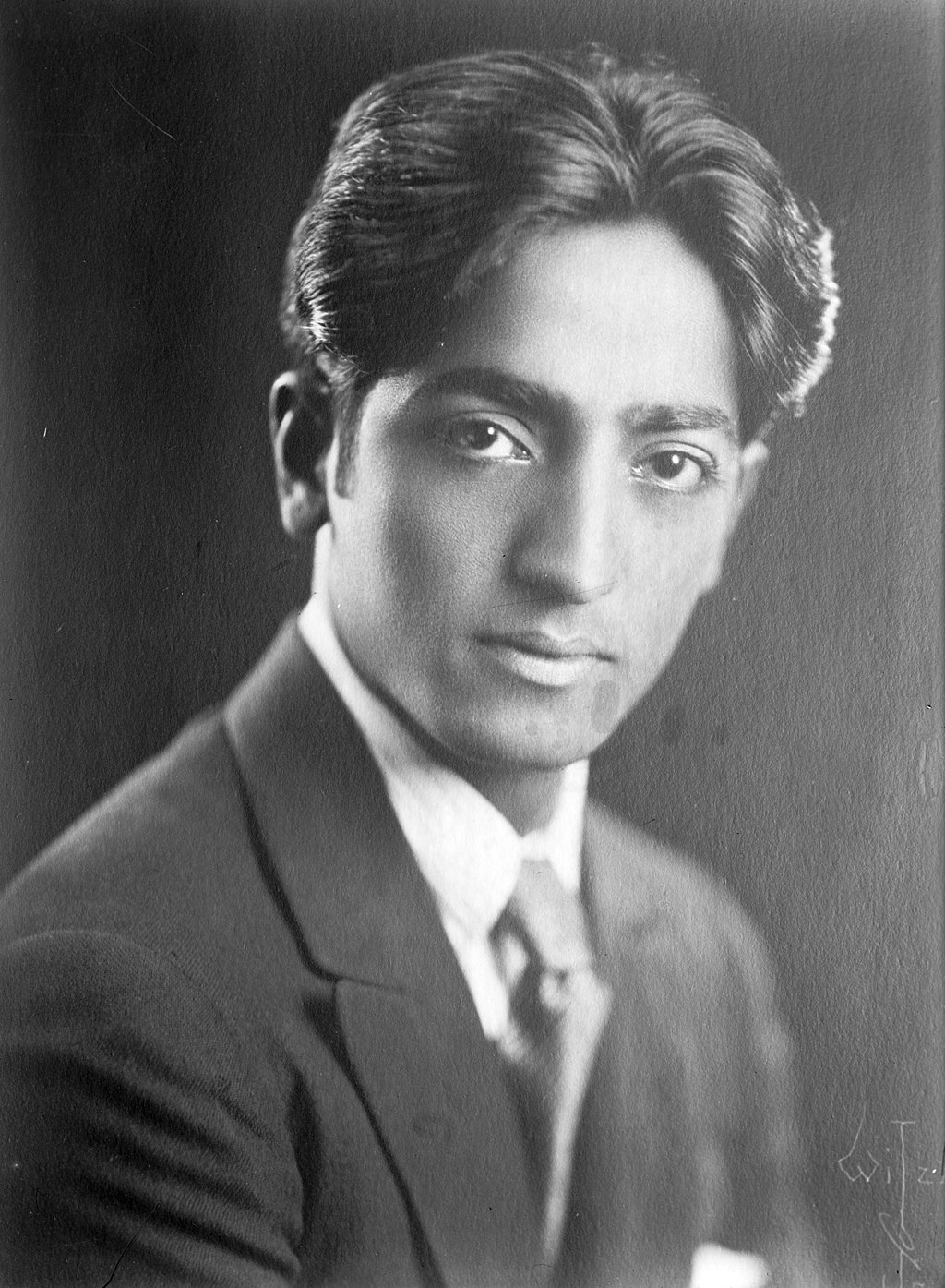
Embracing the Present: The Art of Dying to Yesterday
Jiddu Krishnamurti's assertion that "to live is to die to yesterday" invites us to consider the profound implications of our relationship with time and memory. In essence, he urges us to release our attachments to the past, to let go of the burdens that weigh us down, and to embrace the immediacy of the present moment. This teaching is not merely philosophical; it is a call to action, a reminder that true life unfolds in the now, unencumbered by the shadows of what has been.
In a world often preoccupied with nostalgia or regret, Krishnamurti's words resonate with a deep urgency. They challenge us to confront the ways in which our past experiences shape our identities and influence our choices. By recognizing that clinging to yesterday can inhibit our growth and understanding, we open ourselves to the possibility of renewal and transformation. This process of dying to yesterday is not a rejection of our history but rather an invitation to transcend it, allowing us to engage fully with the present and the potential it holds.
The image / the metaphor
At first glance, the imagery in Krishnamurti's quote evokes a sense of paradox. To "live" and to "die" are typically seen as opposing forces, yet here they are intertwined in a dance of existence. The verb "die" suggests a shedding, a relinquishing of the past, while "live" implies a vibrant engagement with the present. This juxtaposition creates a felt sense of urgency, as if the act of living demands a continual process of letting go, a conscious choice to release the weight of yesterday's experiences.
Diving deeper into the metaphor, we can see that this "death" is not a literal cessation of life but rather a symbolic act of transformation. It invites us to consider the cyclical nature of existence, where each moment is an opportunity for rebirth. Just as a seed must die to its former state to sprout anew, so too must we allow our past selves to fade in order to embrace the fullness of who we can become. This metaphor of renewal speaks to the heart of human experience, reminding us that life is not a linear progression but a series of moments ripe with possibility.
In the speaker's tradition
Krishnamurti's teachings are deeply rooted in the non-dual tradition, which emphasizes the interconnectedness of all existence and the illusion of separateness. Concepts such as *sunyata* (emptiness) and *fana* (annihilation of the self) resonate with his assertion that to truly live, one must transcend the confines of the ego and the past. In this context, dying to yesterday becomes a pathway to realizing our inherent unity with the universe, allowing us to experience life without the distortions of memory and attachment.
In his work, Krishnamurti often draws parallels with the Buddhist notion of *dharma*, which encompasses the natural order of things and the path to enlightenment. By letting go of our past attachments, we align ourselves with the flow of life, moving toward a state of *prajna*, or wisdom. This wisdom is not merely intellectual but experiential, arising from a direct engagement with the present moment, free from the constraints of yesterday's narratives. In this light, Krishnamurti's teaching becomes a profound invitation to explore the depths of our consciousness and the nature of reality itself.
Living the teaching
Consider a modern scenario where this teaching might resonate: a professional grappling with the weight of past failures. Each time they approach a new project, the echoes of previous mistakes loom large, stifling creativity and innovation. By embracing Krishnamurti's insight, this individual can begin to recognize that their past does not define their potential. Instead of allowing yesterday's failures to dictate their actions, they can choose to engage with the present, viewing each new endeavor as a fresh opportunity for growth and learning.
This teaching also finds application in personal relationships, where past grievances can cloud present interactions. Imagine a couple who continually revisits past arguments, allowing resentment to fester and influence their current dynamics. By consciously choosing to "die" to yesterday, they can cultivate a space of openness and forgiveness, allowing their relationship to evolve. This practice of renewal fosters deeper connections, as both partners learn to engage with each other as they are now, rather than as reflections of past conflicts.
A reflection
As we contemplate Krishnamurti's profound statement, we might ask ourselves: What aspects of my past am I clinging to that inhibit my ability to fully engage with the present? This question invites introspection and encourages us to examine the narratives we carry. By recognizing the power of our memories and the ways they shape our identities, we can begin to cultivate a practice of letting go, allowing ourselves to experience the richness of life as it unfolds in each moment.
