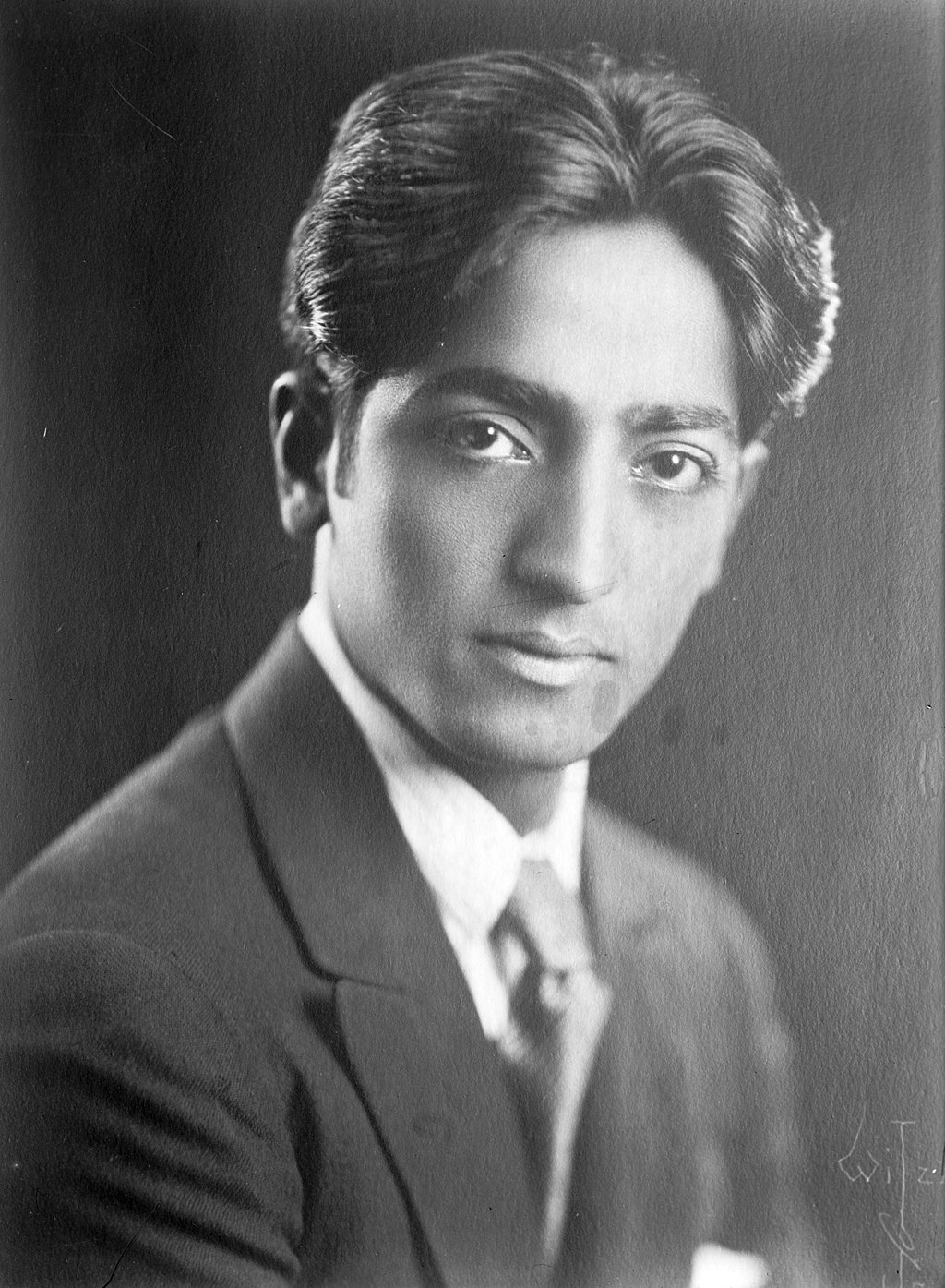
The Freedom of Non-Attachment
Krishnamurti's assertion, "When you own nothing, you own everything," invites us to reconsider our relationship with material possessions and the very concept of ownership. At its core, this statement challenges the conventional understanding of wealth and security, suggesting that true freedom lies not in accumulation but in the relinquishment of attachment. This perspective is vital in a world where consumerism often dictates our sense of self-worth and happiness, urging us to explore the deeper dimensions of existence beyond the material.
In a society that equates success with ownership, Krishnamurti's words resonate with a profound truth about liberation and peace. The idea that one can possess everything by letting go of the need to own anything speaks to a radical shift in consciousness. It invites us to engage with life more fully, experiencing the richness of existence without the burdens of attachment. This teaching is not merely philosophical; it is a call to action, urging us to cultivate a state of being where freedom and peace are not contingent upon external circumstances.
The image / the metaphor
At first glance, the imagery in Krishnamurti's quote evokes a paradox: how can one possess everything by owning nothing? The verbs "own" and "possess" carry weight, suggesting control and attachment, while the notion of "nothing" implies a state of emptiness or lack. Yet, this emptiness is not a void; rather, it is a fertile ground for potential and possibility. The felt sense of this statement is one of liberation, where the relinquishment of material ties opens the door to a more expansive experience of life.
Diving deeper into the metaphor, we can see that "owning nothing" symbolizes a profound inner freedom. It speaks to the idea that when we release our grip on material possessions and the identities we construct around them, we become open to the fullness of life itself. This state of being allows us to embrace the present moment without the distractions of desire or fear, leading to a more authentic connection with ourselves and the world around us. In this light, the quote becomes a guiding principle for living a life rich in experience rather than possessions.
In the speaker's tradition
Krishnamurti's teachings, while unique, resonate deeply within the broader context of Vedanta philosophy, which emphasizes the nature of reality and the self. Concepts such as *sunyata* (emptiness) and *kenosis* (self-emptying) align closely with his assertion. In Vedanta, the understanding that the self is not separate from the universe encourages a letting go of ego and attachment, fostering a sense of unity with all existence. This perspective invites us to explore the idea that true wealth lies in our interconnectedness rather than in individual ownership.
Additionally, the notion of *dharma*, or one's rightful duty, plays a crucial role in understanding this teaching. When we act in accordance with our true nature and purpose, we find fulfillment that transcends material gain. In the *Bhagavad Gita*, for instance, Krishna advises Arjuna to perform his duty without attachment to the fruits of his actions. This aligns beautifully with Krishnamurti's message, suggesting that when we engage with life authentically, we discover a richness that cannot be quantified or owned.
Living the teaching
Consider a modern scenario where this teaching might resonate: a person caught in the relentless cycle of consumerism, constantly seeking happiness through the acquisition of new possessions. This individual may find themselves in a state of perpetual dissatisfaction, believing that fulfillment lies just beyond the next purchase. By embracing Krishnamurti's insight, they might begin to explore the idea that true contentment arises from within, leading them to seek experiences, relationships, and personal growth instead of material goods. This shift in focus can foster a sense of peace and freedom that transcends the fleeting joy of ownership.
In the realm of relationships, the teaching can also be transformative. Imagine a partnership where one or both individuals cling to the need for control or validation through material means. By practicing the principle of non-attachment, they can cultivate a deeper connection rooted in mutual respect and understanding. This letting go of possessiveness allows for a more authentic expression of love, where each person feels free to be themselves without the constraints of expectation or ownership. In this way, the teaching becomes a pathway to deeper intimacy and peace.
A reflection
As we contemplate Krishnamurti's profound statement, we are invited to reflect on our own lives: What attachments are we holding onto that may be hindering our sense of freedom? In what ways might we begin to let go of the need to possess in order to experience the fullness of life? This contemplation can serve as a powerful catalyst for transformation, guiding us toward a more liberated and peaceful existence.


