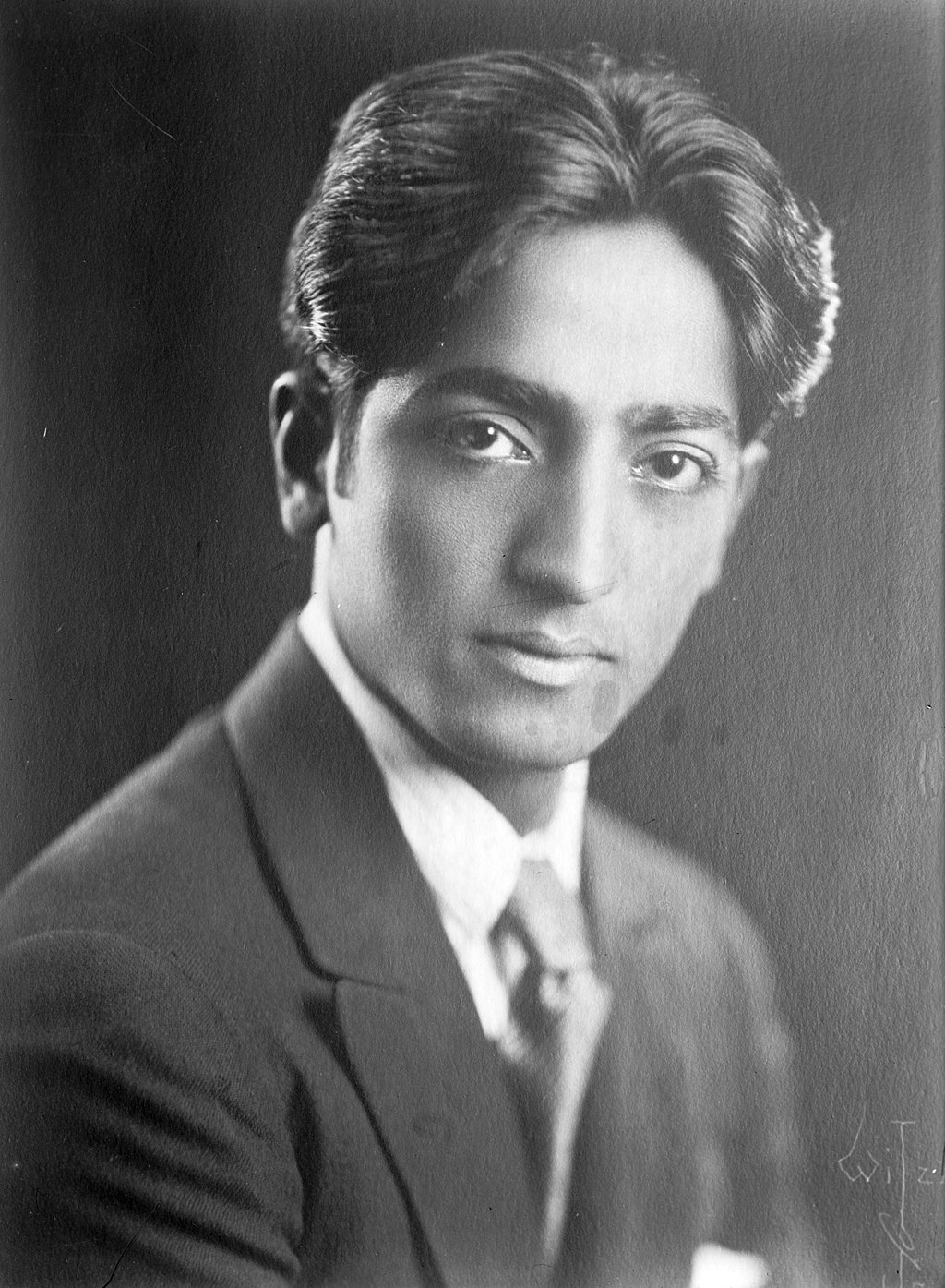
The Depth of Understanding: Embracing the Totality of Consciousness
Jiddu Krishnamurti's assertion that "conflict ends only when one understands the totality of one's own consciousness" invites us to explore the intricate relationship between self-awareness and the resolution of inner turmoil. This statement underscores the profound necessity of delving into the depths of our own minds to uncover the roots of conflict, both within ourselves and in our interactions with others. The stakes are high; without this understanding, we remain ensnared in cycles of discord, perpetuating suffering and misunderstanding.
In a world rife with division and strife, Krishnamurti's words resonate with urgency. They challenge us to confront the complexities of our consciousness, urging a journey toward self-discovery that is both daunting and liberating. The invitation to understand the totality of our consciousness is not merely an intellectual exercise; it is a call to engage deeply with our thoughts, emotions, and the myriad influences that shape our perceptions. Only through this comprehensive understanding can we hope to dissolve the conflicts that arise from ignorance and fragmentation.
The image / the metaphor
At the heart of Krishnamurti's quote lies a vivid metaphorical landscape, where "understanding" serves as a bridge to peace and resolution. The term "totality" evokes a sense of wholeness, suggesting that our consciousness is not a mere collection of isolated thoughts and feelings but a vast, interconnected web of experiences and insights. The verbs "understands" and "ends" imply an active engagement with our inner world, a dynamic process of exploration that leads to the cessation of conflict. This imagery invites us to visualize our consciousness as a complex tapestry, where each thread contributes to the overall picture of who we are.
Diving deeper into this metaphor, we can see that the "totality of one's own consciousness" encompasses not only our thoughts and emotions but also our beliefs, fears, and desires. It suggests that conflict arises from a fragmented understanding of ourselves, where we may cling to certain aspects of our identity while denying or suppressing others. The journey toward understanding is akin to piecing together a jigsaw puzzle, where each fragment must be acknowledged and integrated to reveal the complete image. In this sense, Krishnamurti's words serve as a reminder that true peace can only be achieved through a holistic embrace of our inner landscape.
In the speaker's tradition
Krishnamurti's teachings are deeply rooted in the non-dual tradition, which emphasizes the interconnectedness of all existence and the illusion of separateness. Concepts such as "sunyata" (emptiness) and "fana" (annihilation of the self) resonate with his assertion that understanding the totality of consciousness requires a relinquishing of the ego's grasp. In this context, the journey toward self-awareness is not merely a personal endeavor but a collective awakening to the shared nature of consciousness itself. The dissolution of conflict, therefore, becomes a pathway to realizing our inherent unity with all beings.
In his work, Krishnamurti often draws parallels to the Buddhist notion of "prajna," or wisdom, which arises from a deep understanding of the nature of reality. This wisdom is not an intellectual attainment but a profound insight into the workings of the mind and the illusions that perpetuate suffering. By situating his teachings within this rich tradition, we can appreciate the depth of his message: that the resolution of conflict is intrinsically linked to our capacity for self-awareness and the recognition of our interconnectedness.
Living the teaching
Consider a modern scenario where this teaching finds relevance: a workplace conflict between colleagues. Often, such disputes arise from misunderstandings, differing perspectives, and unacknowledged emotions. By applying Krishnamurti's insight, one might take a step back to reflect on their own consciousness—examining their biases, fears, and motivations. This introspection can lead to a more compassionate understanding of the other person's viewpoint, ultimately fostering a resolution that transcends mere compromise and moves toward genuine harmony.
In the realm of personal relationships, the application of this teaching can be equally transformative. Imagine a couple facing recurring arguments that seem to stem from unresolved issues. By engaging in a process of self-examination, each partner can uncover the deeper fears and insecurities that fuel their conflicts. This journey into the totality of their consciousness not only illuminates the roots of their discord but also opens the door to empathy and healing. In recognizing their shared humanity, they can move beyond conflict and cultivate a deeper connection.
A reflection
As we contemplate Krishnamurti's profound assertion, we are invited to ask ourselves: What aspects of my consciousness remain unexamined, and how might they be contributing to the conflicts in my life? This question serves as a catalyst for introspection, urging us to explore the hidden corners of our minds and hearts. In this exploration, we may discover not only the roots of our struggles but also the pathways to peace and understanding that lie within.
