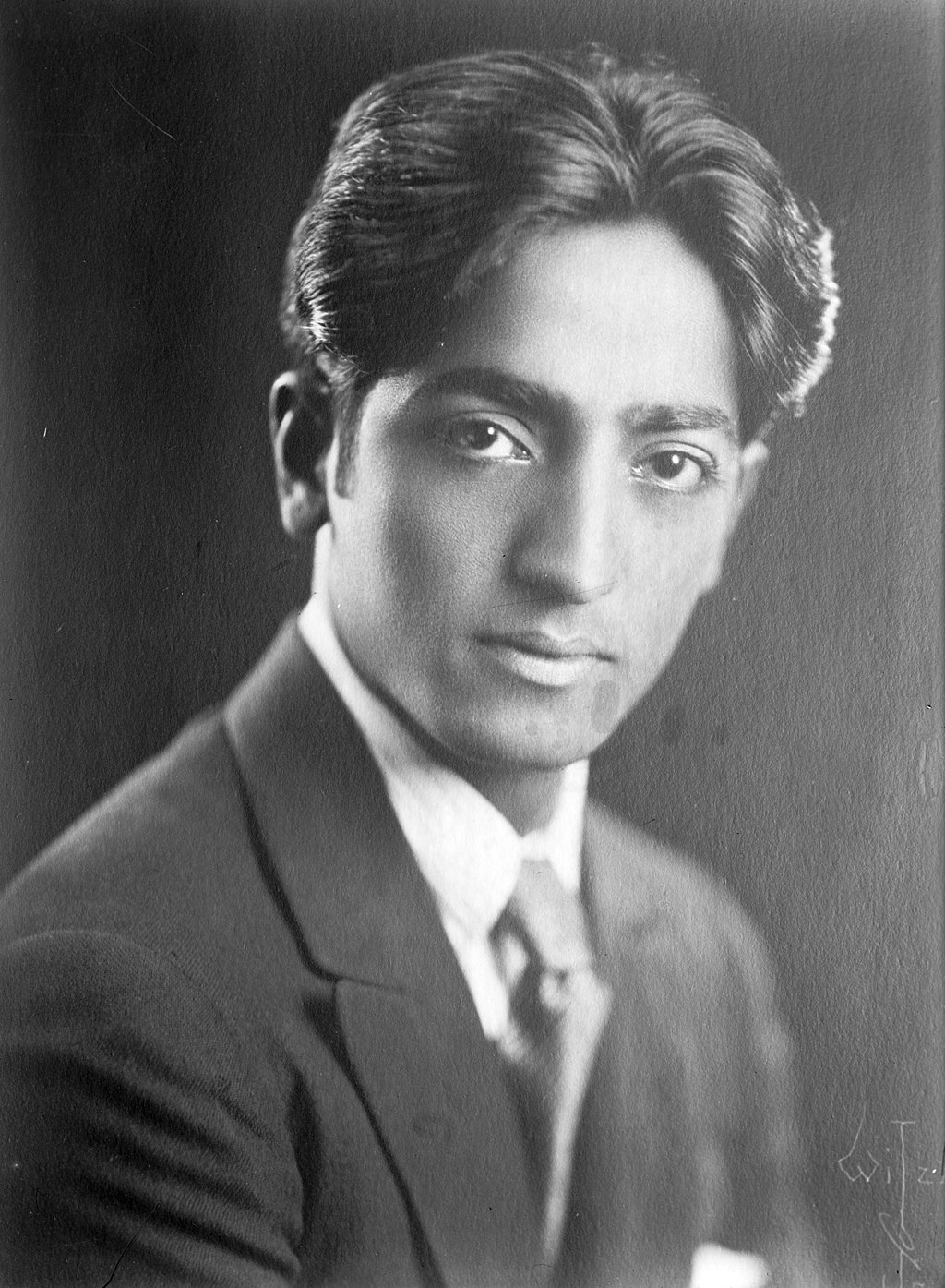
The Radiance of Authentic Being
Jiddu Krishnamurti's assertion that "beauty exists in being totally what one is" invites us to explore the profound connection between authenticity and beauty. In a world often dominated by masks and façades, this statement serves as a reminder that true beauty emanates from the depths of our genuine selves. It challenges us to embrace our uniqueness and to recognize that the essence of beauty lies not in conformity but in the courageous act of being wholly ourselves.
At its core, this quote speaks to the transformative power of authenticity. When we allow ourselves to be fully present and true to our nature, we not only cultivate inner beauty but also inspire others to do the same. This journey toward authenticity is not merely a personal endeavor; it is a collective awakening that has the potential to reshape our relationships and communities. In this light, Krishnamurti's words resonate with a timeless truth that transcends cultural and temporal boundaries.
The image / the metaphor
The imagery in Krishnamurti's quote evokes a sense of wholeness and integrity. The phrase "being totally what one is" suggests a state of complete alignment between one's inner self and outward expression. The use of the word "beauty" implies that this authenticity is not just a personal virtue but a universal quality that can be perceived and appreciated by others. It conjures a vision of a person who stands unguarded, radiating a light that is both inviting and inspiring.
Diving deeper into the metaphor, we can see that beauty, in this context, is not superficial or transient; it is a reflection of the soul's truth. When one is fully engaged in the act of being, free from the constraints of societal expectations and self-imposed limitations, a natural beauty emerges. This beauty is akin to a flower blooming in its own time, unbothered by the opinions of passersby. It is a celebration of individuality, a testament to the richness of human experience.
In the speaker's tradition
Krishnamurti's philosophy is deeply rooted in the non-dual tradition, which emphasizes the interconnectedness of all existence. Concepts such as dharma, or one's true path, and sunyata, the emptiness that allows for authentic expression, resonate with his teaching. In this framework, beauty is not an isolated attribute but a manifestation of the underlying unity of life. When we embrace our true selves, we align with the greater cosmic order, revealing the inherent beauty of existence.
In his dialogues, Krishnamurti often referenced the idea of "freedom from the known," which parallels the notion of kenosis—the self-emptying that allows for the fullness of being. This self-emptying is not a loss but a liberation, enabling us to shed the layers of conditioning that obscure our true nature. In this light, the beauty of authenticity becomes a pathway to deeper understanding and connection with the world around us, echoing the sentiments found in various spiritual texts that celebrate the journey of self-discovery.
Living the teaching
Consider a modern scenario where this teaching might resonate: a workplace environment where individuals feel pressured to conform to a specific image or standard. In such a setting, the courage to be oneself can lead to a profound shift in dynamics. When one employee chooses to express their authentic self, it can create a ripple effect, encouraging others to do the same. This act of authenticity not only enhances individual well-being but also fosters a culture of openness and creativity, ultimately enriching the collective experience.
In the realm of relationships, the teaching of being totally oneself can be transformative. Imagine a moment of conflict between partners, where the urge to defend oneself or to wear a mask of perfection is strong. By choosing to be vulnerable and honest about one's feelings, a deeper connection can be forged. This authenticity allows for a more profound understanding of each other, paving the way for healing and growth. In daily practices, such as meditation or journaling, one can cultivate the awareness needed to embrace their true self, nurturing the beauty that arises from this authenticity.
A reflection
As we contemplate Krishnamurti's assertion, we are invited to reflect on our own lives: What does it mean for you to be totally yourself? In what areas do you find yourself conforming to external expectations rather than embracing your true essence? This inquiry can lead to a deeper understanding of the barriers we create and the beauty that awaits us when we choose authenticity over pretense. In this exploration, may we discover the radiant beauty that lies within each of us, waiting to be unveiled.
