The Heart's True Compass: Discovering Inner Goals
Hafiz's poignant assertion, "Yet his goal is in his own breast," invites us to explore the profound truth that our deepest aspirations and purposes reside within us. In a world often preoccupied with external validation and material success, this quote serves as a gentle reminder to turn inward, to seek the essence of our being. The stakes are high; recognizing that our true goals lie within can lead to a more authentic and fulfilling life, one that resonates with our innermost desires and values.
As we delve deeper into this wisdom, we uncover the layers of meaning that speak to the heart of Sufi thought. The journey toward self-discovery and inner fulfillment is not merely a personal endeavor; it is a spiritual pilgrimage that connects us to the divine. By acknowledging that our true aspirations are found in the depths of our own hearts, we embark on a transformative quest that transcends the superficial pursuits of the world, inviting us to cultivate a life of purpose and authenticity.
The image / the metaphor
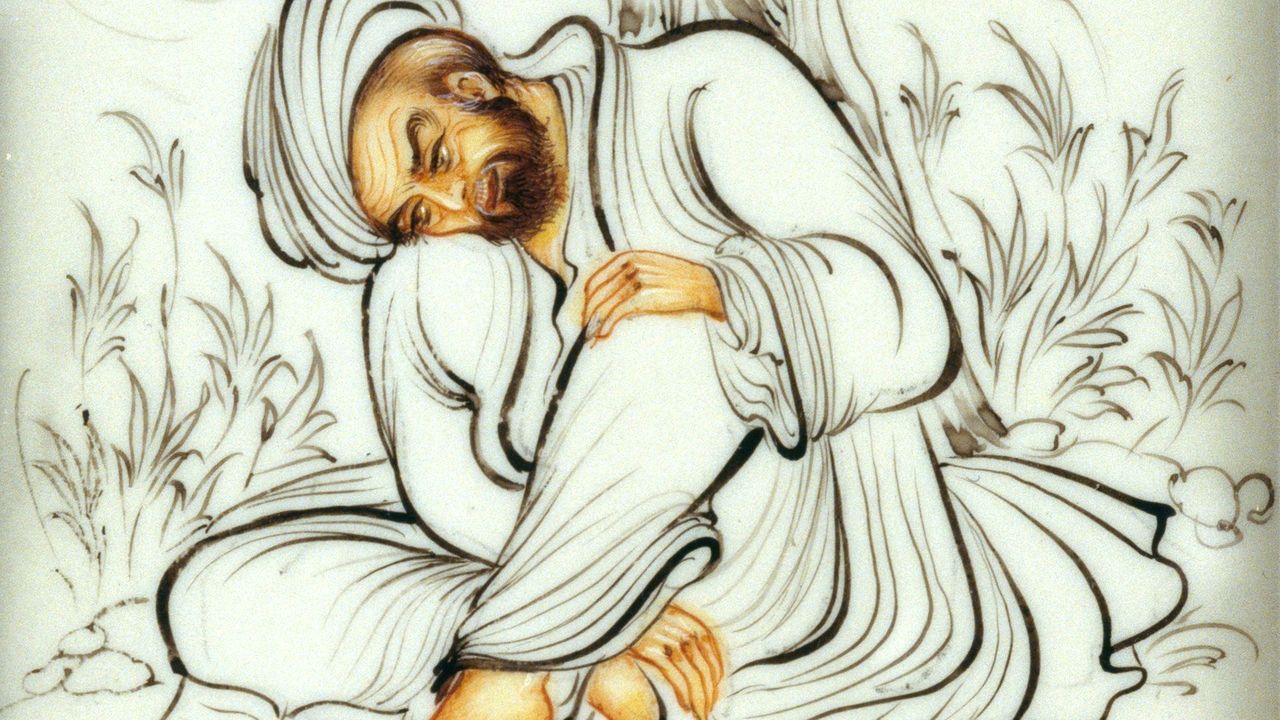
The imagery in Hafiz's quote evokes a sense of intimacy and introspection. The phrase "in his own breast" suggests a closeness, as if the heart itself is a sacred vessel holding our innermost goals and desires. The use of the word "goal" implies a destination or aspiration, yet it is not an external one; rather, it is a profound realization that the journey begins within. This metaphor invites us to visualize our hearts as gardens, where the seeds of our true aspirations can be nurtured and cultivated.
In the speaker's tradition
Hafiz's wisdom is deeply rooted in the Sufi tradition, which emphasizes the importance of inner experience and the quest for divine love. Concepts such as fana, or the annihilation of the self, and dharma, the path of righteousness, resonate with the idea that true fulfillment comes from surrendering to the divine will within us. In Sufism, the heart is often regarded as the mirror of the divine, reflecting the love and beauty of the universe. This perspective invites us to explore the depths of our own hearts as a means of connecting with the greater cosmos.
In the context of Sufi poetry, Hafiz's message echoes the teachings found in the works of Rumi, who similarly emphasizes the importance of inner transformation. Rumi's poem "The Guest House" illustrates the notion that our emotions and experiences are transient guests, urging us to welcome them as part of our spiritual journey. Both poets remind us that the path to understanding our true goals lies in embracing our inner landscape, allowing the heart to guide us toward our authentic selves.
Living the teaching
Consider a modern scenario where this teaching resonates: a young professional, driven by societal expectations, finds herself caught in a cycle of chasing promotions and accolades. Despite her outward success, she feels a persistent emptiness, a sense that something vital is missing. By reflecting on Hafiz's wisdom, she begins to explore her own heart, asking herself what truly brings her joy and fulfillment. This inward journey leads her to discover a passion for art and community service, prompting her to realign her career with her authentic aspirations.
In another context, imagine a couple navigating a difficult moment in their relationship. Each partner may feel frustrated and unheard, focusing on external conflicts rather than the deeper emotional currents at play. By embracing the teaching of Hafiz, they can turn inward, seeking to understand their own feelings and desires. This shift in perspective allows them to communicate more openly, fostering a deeper connection that honors their individual goals while nurturing their shared bond. In both scenarios, the heart serves as a compass, guiding individuals toward a more meaningful existence.
A reflection
As we contemplate Hafiz's profound insight, we are invited to ask ourselves: What goals reside in my own breast, waiting to be discovered and nurtured? This question encourages us to engage in a process of self-inquiry, to listen to the whispers of our hearts, and to honor the unique aspirations that emerge from within. In a world that often pulls us in myriad directions, may we find the courage to turn inward and embrace the sacred journey of self-discovery.