The Heart's Compass: Navigating Presence and Intimacy
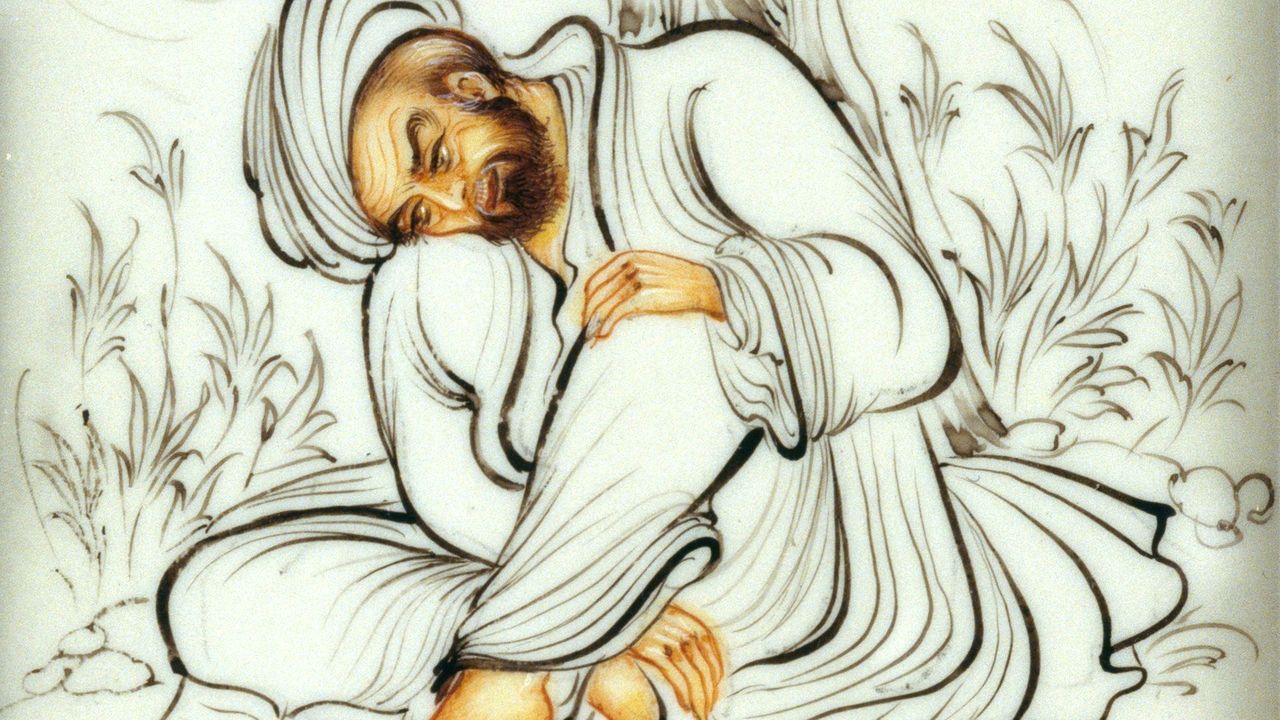
Hafiz's poignant assertion, "Where the Friend dwells, there is no need of map," invites us to consider the profound nature of companionship and the inner landscape it creates. In this statement, the "Friend" symbolizes not just a beloved person but also the divine presence that envelops us, suggesting that true connection transcends the need for external guidance. This insight matters deeply in our increasingly fragmented world, where many seek direction in life through external validation rather than through the warmth of intimate relationships.
As we delve deeper into this quote, we recognize that Hafiz is illuminating a truth about the essence of love and belonging. The absence of a need for a map implies a state of being where trust and familiarity render navigation unnecessary. This speaks to the heart of Sufi wisdom, where the journey inward is often more significant than any physical journey. In a world filled with distractions and uncertainties, Hafiz beckons us to explore the richness of presence and the transformative power of genuine connection.
The image / the metaphor
At first glance, the imagery of a "Friend" evokes warmth, safety, and familiarity. The choice of the word "dwells" suggests a deep-rooted presence, one that is not fleeting but rather a constant source of comfort and guidance. This evokes a sense of home, a place where one can rest without the anxiety of getting lost. The absence of a map symbolizes a profound trust in this relationship, where the heart knows the way without needing external signs or directions.
Diving deeper into the metaphor, we can see that the "map" represents the often rigid frameworks we use to navigate our lives—plans, strategies, and societal expectations. When we are in the presence of the Friend, these constructs dissolve, revealing a more organic way of being. The metaphor invites us to consider how love and connection can serve as our true compass, guiding us through the complexities of existence with grace and ease. In this light, the quote becomes a celebration of intimacy, suggesting that when we are truly connected, we find our way effortlessly.
In the speaker's tradition
Hafiz, a luminary of Sufi poetry, draws from a rich tradition that emphasizes the importance of love, presence, and the dissolution of the self in the divine. Concepts such as *fana*, or the annihilation of the ego, resonate deeply with this quote. In Sufism, the journey toward the Friend—often interpreted as God or the beloved—requires a surrendering of the self, allowing for a profound intimacy that renders external navigation unnecessary. This aligns with the Sufi practice of *dhikr*, or remembrance, where the heart is attuned to the divine presence, fostering a sense of belonging that transcends the material world.
Moreover, Hafiz's assertion can be likened to the teachings found in the *Masnavi* of Rumi, where the beloved's presence is portrayed as a guiding light that illuminates the path of the seeker. In this context, the Friend embodies the essence of love that transcends the physical realm, inviting us to explore the depths of our own hearts. The teachings of both poets remind us that the journey inward is often the most profound, leading us to a place where maps become unnecessary.
Living the teaching
Consider a modern scenario where this teaching resonates: a person navigating a challenging career transition. In the midst of uncertainty, they find solace in the presence of a close friend who offers unwavering support and understanding. In this relationship, the need for a detailed plan diminishes; instead, the individual feels empowered to explore their passions and instincts, guided by the warmth of their connection. This illustrates how the presence of a true friend can illuminate the path forward, allowing one to embrace the unknown with confidence.
Another application of this teaching can be found in intimate relationships, particularly during difficult moments. Imagine a couple facing a significant conflict; instead of relying on external advice or strategies, they turn inward, leaning into their shared history and emotional bond. In this space of trust and understanding, the need for a map fades away, as they navigate their challenges together, guided by love and mutual respect. This exemplifies how Hafiz's wisdom can transform our approach to relationships, emphasizing the importance of presence and intimacy over rigid frameworks.
A reflection
As we contemplate Hafiz's profound words, we are invited to reflect on the nature of our own relationships and the presence we cultivate within them. How often do we rely on external guides or plans instead of trusting the connections we have with those we love? In moments of uncertainty, can we allow ourselves to be guided by the warmth of intimacy rather than the coldness of a map? This contemplation invites us to explore the depth of our connections and the transformative power of presence in our lives.