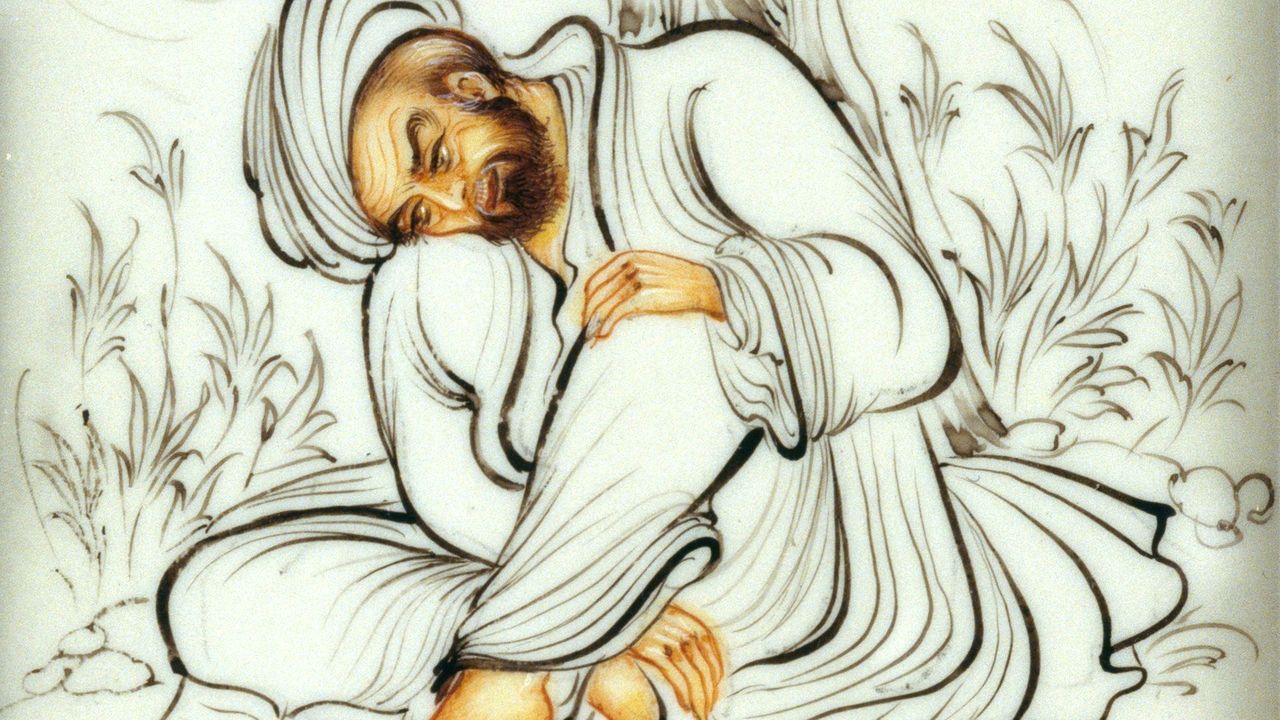
The Inner Journey: Discovering What Lies Within
Hafiz's poignant assertion, "What I sought without was within all along," invites us to reflect on the often-overlooked truth that the answers we seek externally are, in fact, rooted deep within ourselves. This realization carries profound implications for our spiritual journey, suggesting that the quest for meaning, fulfillment, and understanding is not a matter of external exploration but rather an inward pilgrimage. In a world that constantly urges us to seek validation and answers outside, Hafiz gently reminds us to turn our gaze inward, where the essence of our being resides.
This quote resonates deeply in a culture that often equates success and happiness with external achievements and possessions. The allure of the material world can easily distract us from the rich inner landscape that holds the keys to our true selves. By emphasizing the importance of interiority, Hafiz encourages us to embark on a journey of self-discovery, urging us to recognize that the treasures we seek—love, peace, and wisdom—are already present within us, waiting to be unveiled. This realization is not merely a philosophical concept; it is a transformative awakening that can lead to profound shifts in how we perceive ourselves and our place in the universe.
The image / the metaphor
At first glance, Hafiz's words evoke a vivid image of a seeker, perhaps wandering through vast landscapes in search of something elusive. The verb "sought" implies a journey, a quest filled with longing and desire, while "within" suggests a hidden treasure, a sanctuary of wisdom and truth that lies beneath the surface of our everyday consciousness. This imagery captures the essence of the spiritual journey, where the seeker often traverses both the external world and the inner realms, only to discover that the ultimate destination is not a distant land but the heart of one's own being.
In the speaker's tradition
Hafiz, a luminary of Sufi poetry, invites us into a rich tradition that emphasizes the importance of inner experience and the quest for divine love. Central to Sufism is the concept of *fana*, or the annihilation of the self, which aligns beautifully with Hafiz's assertion. In this state, the seeker transcends the ego and discovers the unity of existence, recognizing that the divine is not separate from oneself but rather an integral part of one's being. This journey inward is also echoed in the notion of *kenosis*, the self-emptying that allows for the fullness of divine presence to manifest within.
Moreover, Hafiz's insights resonate with the Buddhist concept of *sunyata*, or emptiness, which teaches that the search for meaning in external phenomena is ultimately futile. Just as Sufism encourages the seeker to dissolve the barriers of the self to experience divine love, Buddhism invites practitioners to recognize the inherent emptiness of all things, leading to a profound realization of interconnectedness. In both traditions, the journey inward is not merely a personal endeavor but a path toward universal understanding and compassion.
Living the teaching
Consider a modern scenario where this teaching finds relevance: a person who tirelessly chases career success, believing that a promotion or recognition will bring them happiness. They invest countless hours in external pursuits, only to find themselves feeling unfulfilled and disconnected. In this context, Hafiz's words serve as a gentle nudge to pause and reflect on the internal landscape. By turning inward, they might discover that true fulfillment lies not in accolades but in self-acceptance, creativity, and the nurturing of relationships that resonate with their authentic self.
Another application of this teaching can be found in the realm of relationships. Imagine a couple facing challenges, each partner seeking validation and understanding from the other while feeling increasingly distant. Hafiz's wisdom invites them to recognize that the love and connection they seek are not solely dependent on external expressions but must first be cultivated within themselves. By fostering self-love and understanding, they can approach their relationship from a place of wholeness, allowing for deeper intimacy and connection to flourish.
A reflection
As we contemplate Hafiz's profound insight, we are invited to ask ourselves: What treasures lie within me that I have yet to acknowledge? This question encourages a deep and honest exploration of our inner world, prompting us to consider the aspects of ourselves that we may have overlooked in our pursuit of external validation. In this reflective space, we can begin to uncover the wisdom, strength, and love that reside within, ultimately transforming our understanding of what it means to seek and to be fulfilled.