The Journey Home: Embracing the Path of Existence
Hafiz's poignant declaration, "Walk it, even so — there is no other way home," invites us to engage deeply with the journey of life itself. This statement encapsulates the essence of our spiritual quest, suggesting that the act of walking—of living authentically and fully—is the only means to return to our true selves, our 'home.' In a world often filled with distractions and detours, this call to action resonates profoundly, urging us to embrace the path laid before us, no matter how arduous it may seem.
To walk the path is not merely a physical act; it is a spiritual undertaking that requires courage, commitment, and a willingness to confront the unknown. Hafiz, through his mystical lens, emphasizes that the journey is as significant as the destination. Each step we take, each experience we encounter, shapes our understanding of ourselves and the universe. This quote serves as a reminder that the journey itself is a sacred process, one that leads us back to the essence of who we are, a home that resides within.
The image / the metaphor
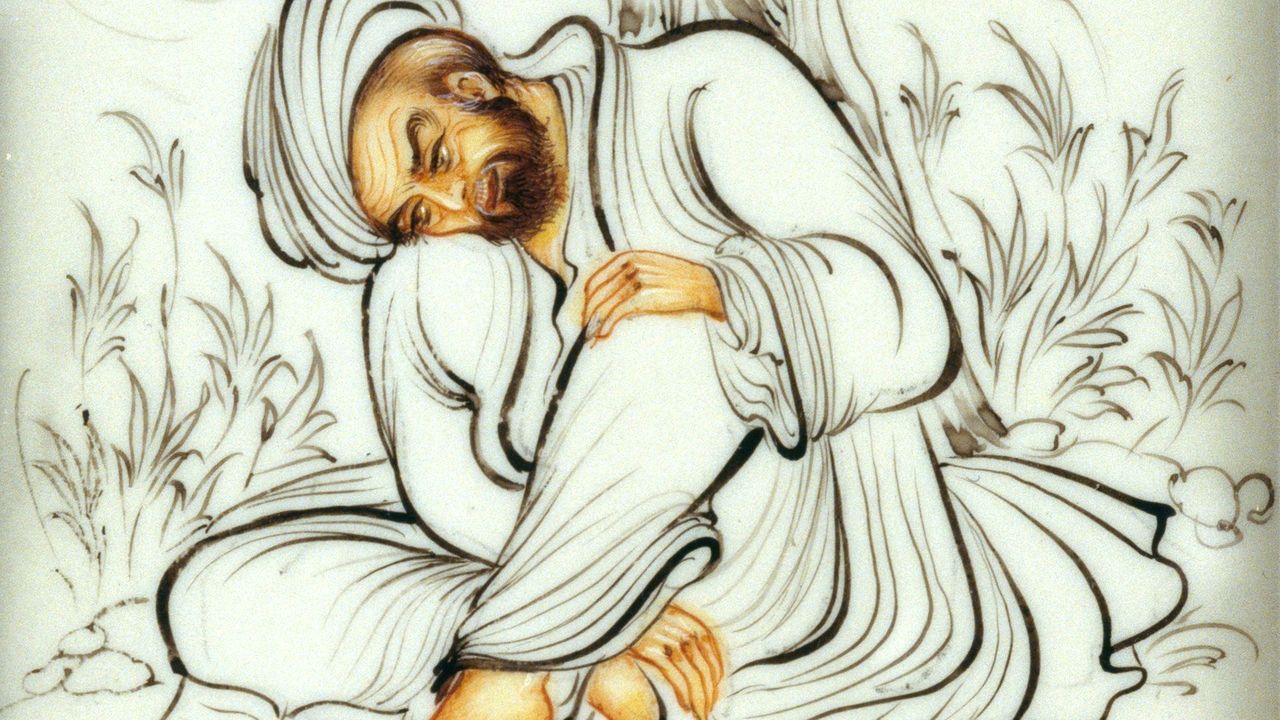
The imagery in Hafiz's quote evokes a sense of movement and purpose. The verb "walk" suggests a deliberate action, a choice to engage with life rather than passively observe it. Walking implies a rhythm, a flow, and a connection to the earth beneath our feet. It conjures up the image of a traveler, perhaps weary yet resolute, navigating the winding paths of existence. The phrase "even so" adds a layer of resilience, indicating that despite the challenges we may face, the act of walking—of living—is essential.
Delving deeper into the metaphor, the concept of "home" transcends a physical location; it symbolizes a state of being, a return to our authentic selves. In Sufi thought, home is often associated with the heart, the place where divine love resides. To walk the path is to journey inward, to explore the depths of our own hearts and souls. This metaphor invites us to consider what it means to truly inhabit our lives, to embrace both the light and the shadows that accompany our existence.
In the speaker's tradition
Hafiz's wisdom is deeply rooted in the Sufi tradition, which emphasizes the importance of the inner journey toward divine love and unity. Concepts such as fana, the annihilation of the self in the presence of the divine, resonate with the idea of walking the path. In surrendering to the journey, we may find ourselves dissolving into a greater reality, experiencing a profound sense of belonging and connection. This journey is not merely about personal fulfillment; it is about recognizing our place within the vast tapestry of existence.
In the context of Sufi poetry, Hafiz's message echoes the teachings found in Rumi's works, where the path of love and devotion is central. Rumi often speaks of the beloved as a guiding force, inviting seekers to traverse the landscape of their own hearts. The act of walking, then, becomes a metaphor for the spiritual quest, where each step taken is a step closer to the divine. This shared understanding within Sufism highlights the universality of the journey toward home, a theme that transcends time and culture.
Living the teaching
Consider a modern scenario where this teaching resonates: a person grappling with a significant life transition, such as a career change or the end of a relationship. The uncertainty and fear that accompany such changes can be overwhelming, often leading individuals to seek quick fixes or distractions. However, Hafiz's invitation to "walk it" encourages embracing the discomfort and uncertainty of the journey. By acknowledging and engaging with these feelings, one can discover deeper insights and ultimately find a sense of direction and purpose.
In the context of relationships, this teaching can manifest during challenging moments of conflict or misunderstanding. Instead of avoiding difficult conversations or retreating into silence, Hafiz's wisdom urges us to confront these situations head-on. By walking through the discomfort and vulnerability, we open the door to deeper connection and understanding. This practice of engaging with the path, even when it feels daunting, fosters growth and intimacy, allowing us to create a home within our relationships.
A reflection
As we contemplate Hafiz's profound words, we are invited to reflect on our own journeys. What does it mean for you to "walk it"? In what areas of your life are you hesitating to take that next step? Consider the ways in which embracing the path, with all its complexities, can lead you home to your true self. This reflection can serve as a guiding light, illuminating the way forward as you navigate the intricate dance of existence.