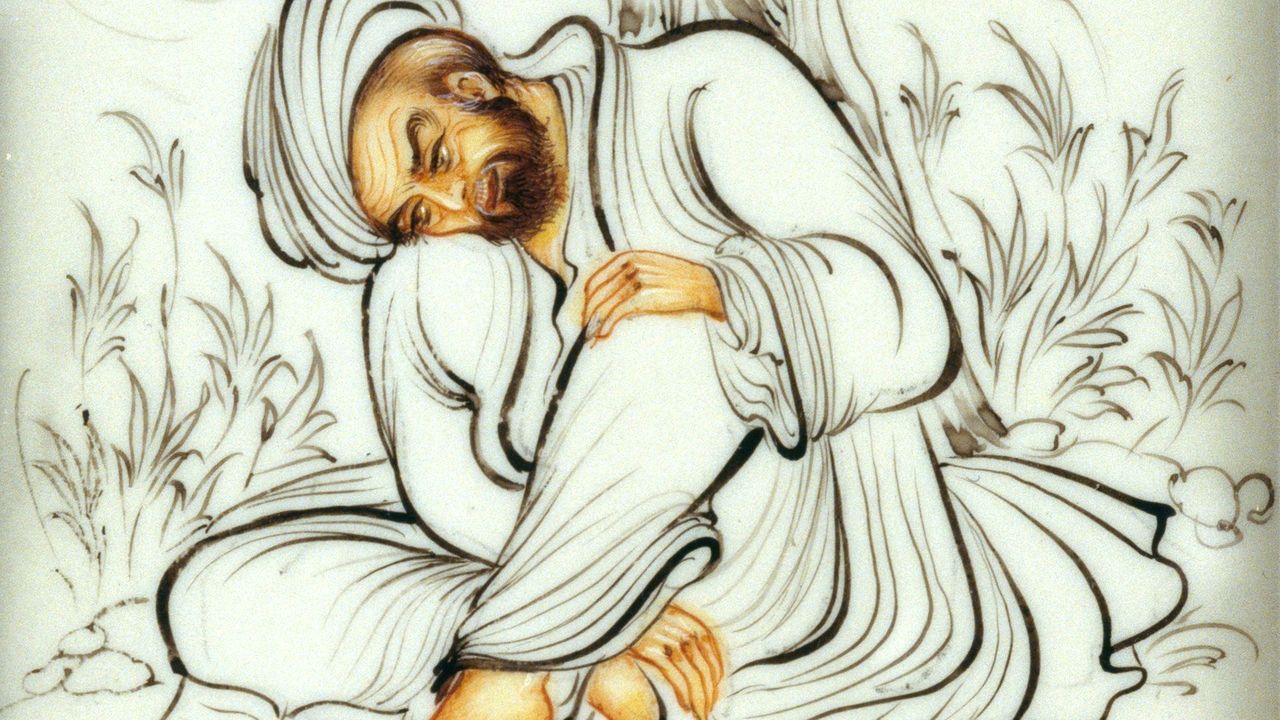
The Power of Remembrance: A Journey into the Heart of Sufism
Hafiz, the revered Persian poet and Sufi mystic, offers us a profound insight when he states, "To remember the Friend even once is worth a thousand prayers without remembrance." This evocative line suggests that the essence of spiritual practice lies not merely in the ritualistic recitation of prayers but in the heartfelt remembrance of the Divine. In a world often distracted by the mundane, Hafiz invites us to recognize that true connection with the Divine transcends mere words; it is a deeply felt experience that can transform our spiritual lives.
In this quote, Hafiz emphasizes the significance of presence over performance in our spiritual endeavors. The act of remembering the Friend—often interpreted as God or the Beloved—implies a relationship that is intimate and personal. This remembrance is not just a fleeting thought but a profound engagement with the essence of love and unity that characterizes Sufi spirituality. As we delve deeper into this teaching, we uncover layers of meaning that resonate with our own experiences of longing, connection, and the quest for the Divine.
The image / the metaphor
At first glance, Hafiz's words evoke a striking image of the contrast between prayer and remembrance. The phrase "a thousand prayers without remembrance" conjures a sense of emptiness, suggesting that prayers devoid of genuine connection are like hollow shells. In contrast, the act of remembering the Friend is imbued with warmth and vitality, suggesting that it is the quality of our engagement with the Divine that truly matters. The verbs chosen—"to remember" and "to pray"—highlight a dynamic relationship, where remembrance is an active, living engagement rather than a passive recitation.
Diving deeper into the metaphor, we can see that remembrance is not merely a cognitive act; it is an emotional and spiritual awakening. It signifies a return to our true nature, a recognition of the interconnectedness of all beings. In Sufi thought, this remembrance (dhikr) is often seen as a pathway to experiencing the Divine presence within us and around us. The imagery of the Friend evokes a sense of intimacy and love, suggesting that the Divine is not a distant entity but a close companion, waiting for us to turn our hearts toward it.
In the speaker's tradition
Hafiz's wisdom is deeply rooted in the Sufi tradition, which emphasizes the importance of love, unity, and the inner journey toward the Divine. Concepts such as fana (the annihilation of the self) and bhakti (devotional love) resonate with the essence of remembrance. In Sufism, the act of remembering the Divine is not just a personal endeavor; it is a communal experience that connects us to the larger tapestry of existence. This interconnectedness is a central theme in Sufi poetry, where the beloved is often depicted as both immanent and transcendent.
To further illustrate this, we can look at the works of Rumi, another luminary of Sufi thought, who often speaks of love as a transformative force. In his poem "The Guest House," Rumi invites us to welcome all emotions as guests, suggesting that every experience can lead us closer to the Divine. This aligns beautifully with Hafiz's teaching, as both poets emphasize that the essence of spiritual practice lies in the quality of our engagement with the Divine, rather than the quantity of our rituals.
Living the teaching
Imagine a modern scenario where someone is caught in the rush of daily life, attending to countless responsibilities and obligations. In this whirlwind, they may find themselves reciting prayers out of habit, feeling disconnected from their true essence. However, when they pause to remember the Friend—perhaps through a moment of gratitude or a simple act of kindness—they experience a profound shift. This act of remembrance becomes a source of strength and clarity, reminding them of their purpose and connection to the Divine.
In a different context, consider a relationship that has grown strained over time. The individuals involved may find themselves caught in a cycle of misunderstandings and unspoken grievances. By consciously choosing to remember the essence of love and connection—their shared humanity—they can break free from this cycle. This act of remembrance can transform their interactions, allowing them to approach each other with compassion and understanding, ultimately deepening their bond.
A reflection
As we contemplate Hafiz's profound insight, we are invited to explore the nature of our own spiritual practices. How often do we engage in prayer or ritual without truly connecting to the essence of what we seek? In moments of stillness, let us ask ourselves: What does it mean to remember the Friend in our daily lives, and how can this remembrance transform our experience of the Divine?