The Heart's Ink: Love as the True Scribe
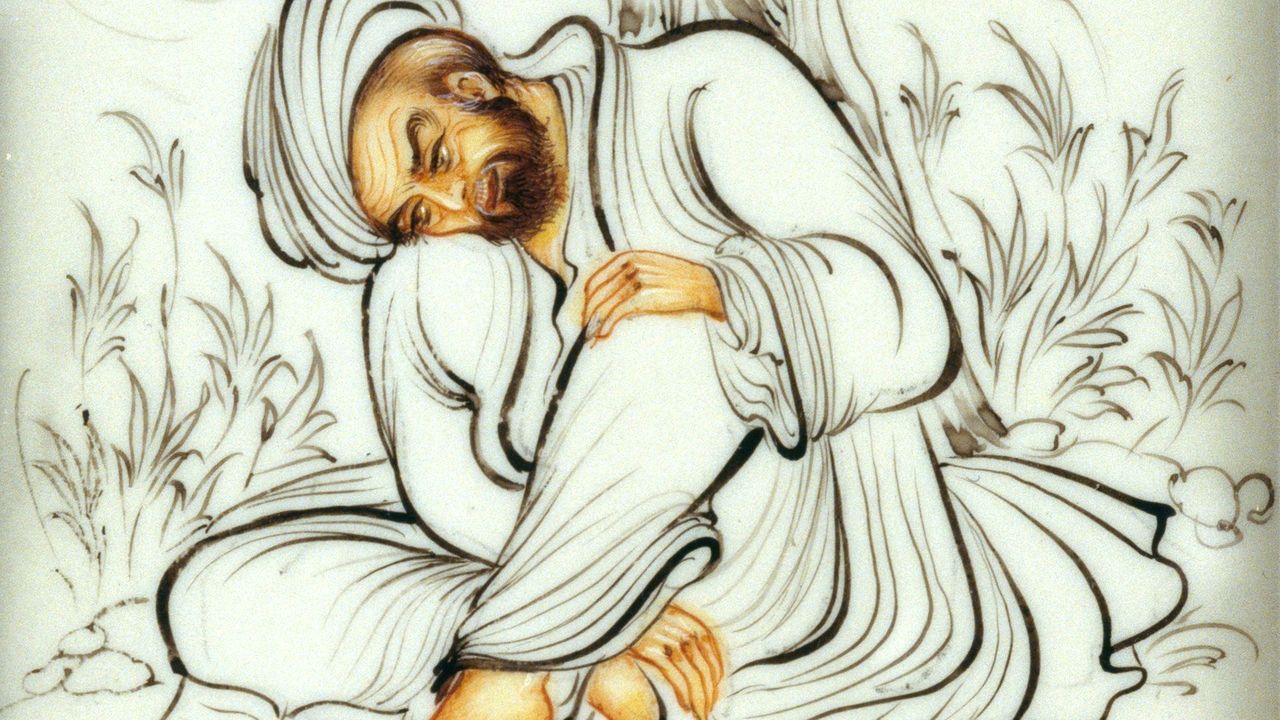
Hafiz's assertion that "the pen of love writes only on the heart" invites us to consider the profound connection between love and our innermost selves. This metaphor suggests that authentic love transcends mere words and is inscribed deeply within our being. It emphasizes the idea that true expressions of love are not just articulated through language but are felt and experienced at the core of our existence. In a world often dominated by superficial interactions, this quote serves as a reminder of the transformative power of love, urging us to seek deeper connections that resonate within our hearts.
Moreover, this statement beckons us to reflect on the nature of love itself. It challenges us to explore how love manifests in our lives and how it shapes our identities. The heart, often viewed as the seat of emotion, becomes a canvas for love's most profound expressions. As we navigate our relationships and experiences, we are called to recognize that the most meaningful connections are those that leave an indelible mark on our hearts, shaping our understanding of ourselves and the world around us.
The image / the metaphor
The imagery of a pen writing on the heart evokes a sense of intimacy and permanence. The choice of the word "pen" suggests a deliberate act of creation, as if love itself is an artist crafting a narrative unique to each individual. The heart, as the recipient of this writing, symbolizes vulnerability and openness, indicating that love requires us to expose our innermost selves. This metaphor encapsulates the idea that love is not merely a fleeting emotion but a profound force that etches itself into our very being, influencing our thoughts, actions, and relationships.
In the speaker's tradition
Hafiz, a luminary of Sufi poetry, draws upon a rich tradition that emphasizes the transformative power of love as a path to spiritual enlightenment. In Sufism, love is often seen as a divine force that connects the seeker to the Beloved, transcending the ego and leading to a state of union with the divine. This concept resonates with the idea of *fana*, or annihilation of the self, where the heart becomes a vessel for divine love, allowing the seeker to experience a profound sense of oneness with all creation. In this context, the heart is not just a physical organ but a spiritual center that receives and expresses love in its purest form.
Furthermore, the notion of love as a transformative force can be found in other Sufi texts, such as the works of Rumi, who similarly emphasizes the importance of love in the spiritual journey. In his poetry, Rumi often speaks of love as a fire that burns away the impurities of the heart, allowing the seeker to emerge renewed and enlightened. This shared understanding among Sufi poets highlights the centrality of love in the quest for spiritual truth, reinforcing the idea that the heart, when touched by love, becomes a sacred space where divine wisdom can be inscribed.
Living the teaching
In our modern lives, the teaching encapsulated in Hafiz's quote can manifest in various ways. Consider a scenario where a friend is going through a difficult time, grappling with loss or disappointment. In such moments, the act of listening with an open heart becomes a powerful expression of love. Rather than offering platitudes or solutions, we can simply be present, allowing our hearts to resonate with their pain. This act of love, though silent, writes a narrative of support and understanding on both our hearts, deepening the bond between us and illustrating how love can transcend words.
Another application of this teaching can be found within intimate relationships. Imagine a couple navigating a challenging phase in their partnership, where misunderstandings and frustrations seem to overshadow their love. By consciously choosing to communicate from the heart—expressing vulnerability, sharing fears, and acknowledging each other's feelings—they can begin to rewrite their story. This process of heartfelt communication allows love to flourish, transforming their relationship into a sacred space where both partners feel seen and valued. In this way, the pen of love continues to write, crafting a narrative of resilience and connection.
A reflection
As we contemplate Hafiz's profound words, we are invited to consider the ways in which love has inscribed itself upon our own hearts. What stories do we carry within us, shaped by the love we have given and received? In moments of reflection, we might ask ourselves: How can we allow love to write more deeply on our hearts, transforming our experiences and relationships? This question encourages us to engage with love not just as an emotion but as a guiding principle that shapes our lives and interactions.