The Wisdom of the Inebriated Heart
Hafiz's assertion, "The drunkard knows what the cleric does not," invites us to explore the profound wisdom that often eludes the learned and the pious. In this juxtaposition, the intoxicated reveler embodies a raw, unfiltered understanding of existence, while the cleric, bound by doctrine and dogma, may miss the essence of life's mysteries. This quote challenges us to reconsider our perceptions of knowledge and insight, suggesting that true wisdom may lie outside the confines of conventional understanding.
At its core, this statement beckons us to reflect on the nature of awareness and the different states of consciousness that inform our understanding of the world. The drunkard, often dismissed as foolish or lost, may possess a deeper connection to the divine, one that transcends intellectual reasoning. In contrast, the cleric, despite their scholarly pursuits, may be ensnared by rigid beliefs that inhibit their spiritual growth. This dichotomy raises essential questions about the nature of wisdom and the paths we take to attain it.
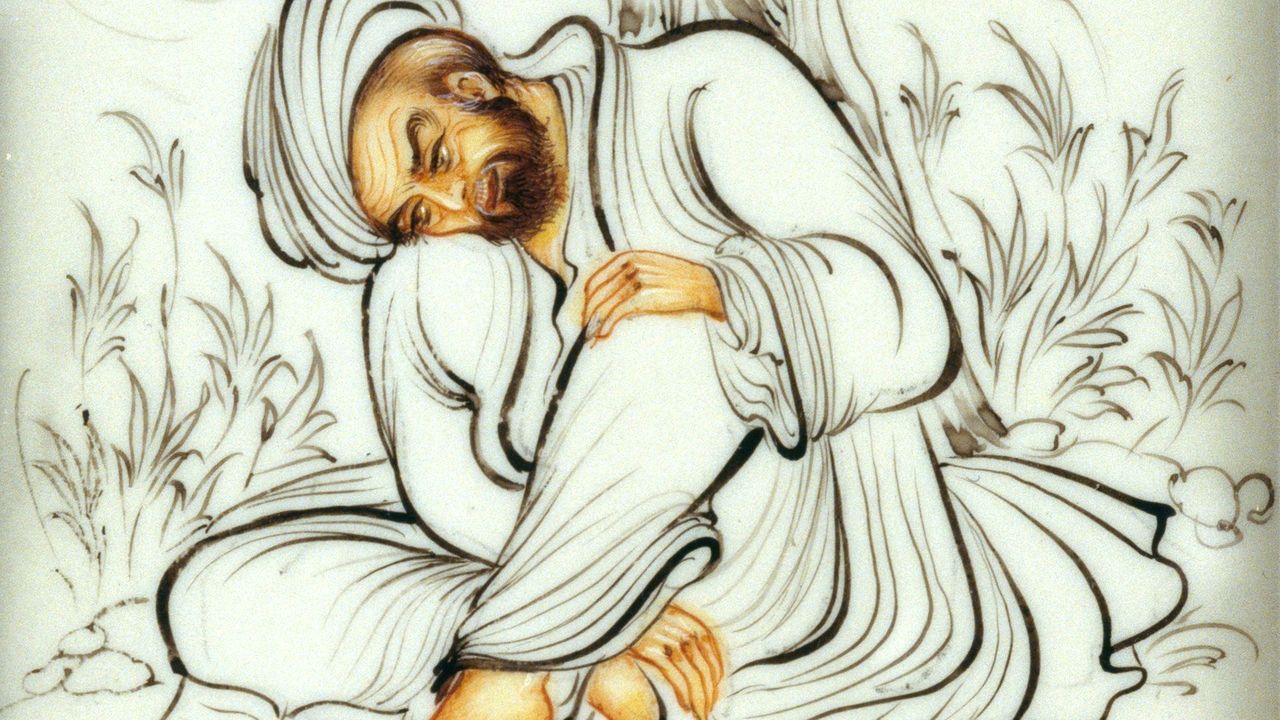
The image / the metaphor
The imagery in Hafiz's quote is striking, evoking a vivid contrast between the inebriated and the cleric. The term "drunkard" conjures images of someone who has surrendered to the intoxicating effects of wine, losing themselves in the moment, while the "cleric" represents a figure of authority, steeped in tradition and ritual. The verbs chosen—"knows"—imply a depth of understanding that is experiential rather than theoretical, suggesting that the drunkard's insights arise from a visceral engagement with life.
Diving deeper into the metaphor, we see that the "drunkard" symbolizes a state of being that embraces vulnerability and openness, allowing for a more profound connection to the divine. This state of intoxication can be interpreted as a metaphor for spiritual ecstasy, where the barriers of the ego dissolve, revealing a more authentic experience of existence. In contrast, the cleric's knowledge, while perhaps extensive, may lack the immediacy and intimacy that comes from surrendering to the moment. Thus, Hafiz invites us to reconsider what it means to truly "know."
In the speaker's tradition
Hafiz's wisdom is deeply rooted in the Sufi tradition, which emphasizes the importance of direct experience in the pursuit of spiritual truth. Concepts such as *fana*—the annihilation of the self in the presence of the divine—resonate with the idea that true understanding often arises from surrendering to the ecstatic experience of life. In Sufism, the heart is seen as the true seat of knowledge, and the intoxication of love for the divine can lead to insights that transcend intellectual comprehension.
In the context of Sufi poetry, Hafiz often draws upon the imagery of wine and intoxication to convey spiritual truths. For instance, in his poem "The Wine of Love," he illustrates how the experience of divine love can lead to a state of blissful awareness that defies conventional understanding. This aligns with the teachings of other Sufi masters, such as Rumi, who similarly celebrated the transformative power of love and ecstasy as pathways to deeper wisdom.
Living the teaching
Consider a modern scenario where this teaching resonates: a gathering of friends sharing stories over a glass of wine. In this relaxed atmosphere, laughter and vulnerability flow freely, allowing for genuine connections and insights that may not surface in more formal settings. Here, the "drunkard" embodies the spirit of openness, revealing truths about life, love, and existence that the cleric—perhaps preoccupied with rules and propriety—might overlook. This moment illustrates how wisdom can emerge from unexpected places, reminding us to remain open to the lessons life offers.
In a different context, think about a challenging relationship where misunderstandings abound. Often, it is in moments of emotional vulnerability—perhaps during a heated argument or a heartfelt conversation—that we uncover deeper truths about ourselves and each other. By embracing our "drunkard" side, allowing ourselves to be vulnerable and authentic, we can transcend the rigid roles we play and foster a deeper understanding of one another. This practice of openness can transform our interactions, leading to richer, more meaningful connections.
A reflection
As we contemplate Hafiz's profound statement, we are invited to reflect on our own lives: In what ways might we be clinging to rigid beliefs or intellectual understandings that prevent us from experiencing the deeper truths of existence? How can we cultivate a sense of openness and vulnerability that allows us to embrace the wisdom that lies beyond conventional knowledge? This contemplation encourages us to seek the intoxication of love and presence, reminding us that true understanding often arises from surrendering to the moment.