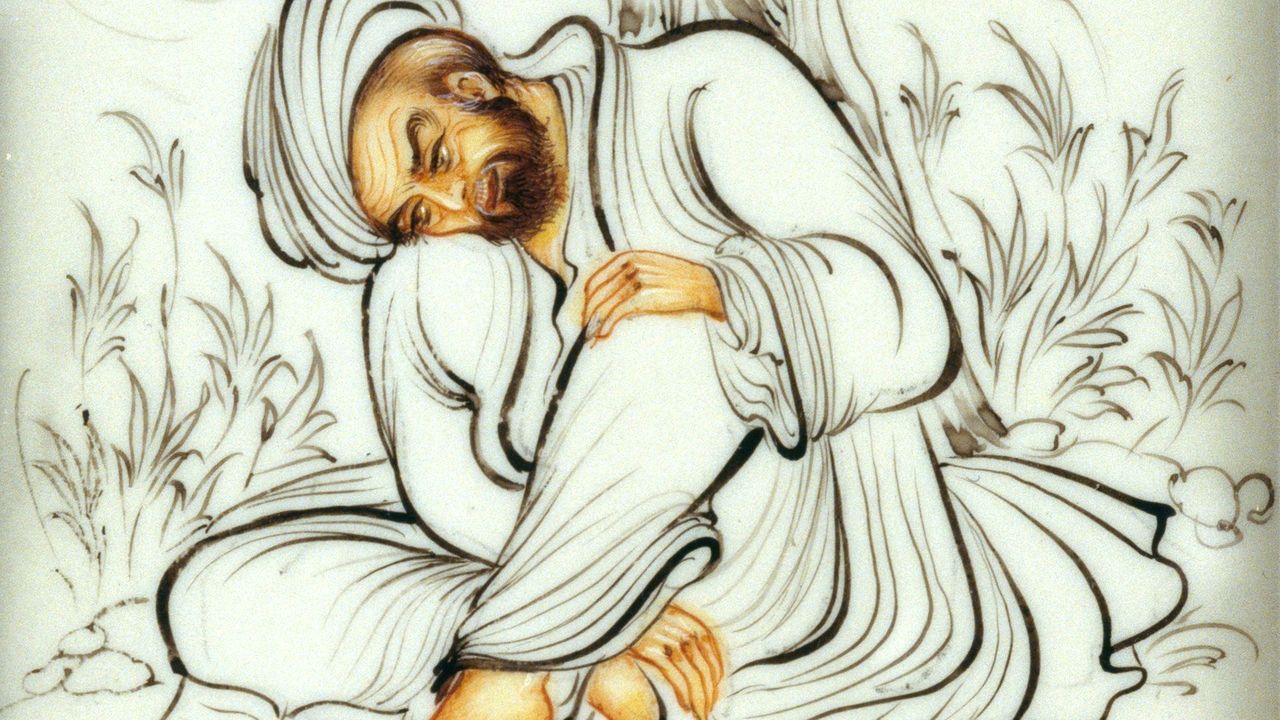
The Path of Broken Hearts: A Journey of Love and Transformation
Hafiz's poignant assertion, "The Beloved's lane is paved with broken hearts," invites us to explore the intricate relationship between love, suffering, and spiritual awakening. This quote suggests that the journey toward divine love is not one of ease and comfort but rather a path marked by vulnerability and heartache. It compels us to recognize that our deepest wounds can lead us to profound insights and connections, ultimately guiding us toward a more authentic experience of love and existence.
In a world that often equates love with joy and fulfillment, Hafiz's words remind us that the essence of love is intertwined with our capacity to endure pain and loss. The broken heart, often seen as a symbol of despair, can also serve as a catalyst for transformation. This duality of love and suffering is a central theme in many spiritual traditions, particularly in Sufism, where the heart is viewed as the seat of divine knowledge and connection. Embracing this complexity allows us to navigate our own experiences of love with greater depth and understanding.
The image / the metaphor
The imagery in Hafiz's quote evokes a vivid landscape where the path to the Beloved is not smooth and unblemished but rather littered with the remnants of broken hearts. The choice of the word "paved" suggests a deliberate construction, implying that these broken hearts are not merely obstacles but integral components of the journey itself. Each heart that has been broken contributes to the texture of the path, creating a rich tapestry of human experience that is both beautiful and tragic.
Diving deeper into the metaphor, we can see that the "Beloved" represents not just a divine figure but the ultimate truth or reality that we seek. The broken hearts symbolize the sacrifices and trials we endure in our quest for this truth. In Sufi thought, the heart is often seen as a vessel that must be emptied of its attachments and illusions to make space for divine love. Thus, the brokenness becomes a necessary part of the purification process, allowing us to shed the layers that obscure our connection to the Beloved.
In the speaker's tradition
Hafiz's wisdom is deeply rooted in the Sufi tradition, which emphasizes the transformative power of love and the necessity of surrendering to the divine. Concepts such as "fana," or the annihilation of the self, resonate with the idea that our personal suffering can lead to a greater understanding of unity with the Beloved. In this context, brokenness is not a sign of failure but rather a step toward spiritual awakening, where the ego is dissolved, and the heart opens to the divine presence.
Moreover, the Sufi practice of "dhikr," or the remembrance of God, often involves reflecting on the trials of love and longing. This practice encourages practitioners to embrace their brokenness as a means of drawing closer to the divine. In the poetry of Rumi, a contemporary of Hafiz, we find similar sentiments expressed, where the pain of separation from the Beloved is portrayed as a necessary suffering that ultimately leads to union and joy. Both poets illuminate the path of love as one that is fraught with challenges yet rich in spiritual rewards.
Living the teaching
Consider a modern scenario where someone experiences the end of a significant relationship. The heartache that follows can feel overwhelming, leading to feelings of despair and loneliness. Yet, within this pain lies an opportunity for growth and self-discovery. By allowing oneself to fully experience the grief, rather than suppressing it, one can begin to understand the deeper lessons of love, attachment, and the impermanence of relationships. This process can lead to a more profound appreciation for the love that was shared and the insights gained from the experience.
In another context, imagine a person facing a challenging moment in their life, such as the loss of a job or a health crisis. The initial reaction may be one of fear and uncertainty, but as they navigate through their brokenness, they may uncover hidden strengths and resilience. This journey can foster a deeper connection to themselves and others, transforming their pain into a source of empathy and compassion. By embracing the brokenness, they can find a renewed sense of purpose and a clearer path toward their own version of the Beloved.
A reflection
As we contemplate Hafiz's profound insight, we are invited to reflect on our own experiences of brokenness and love. In what ways have our heartaches paved the path toward deeper understanding and connection? How can we embrace our vulnerabilities as essential components of our spiritual journey? These questions encourage us to explore the transformative power of love and the beauty that can emerge from our broken hearts.