The Illuminating Essence of Love
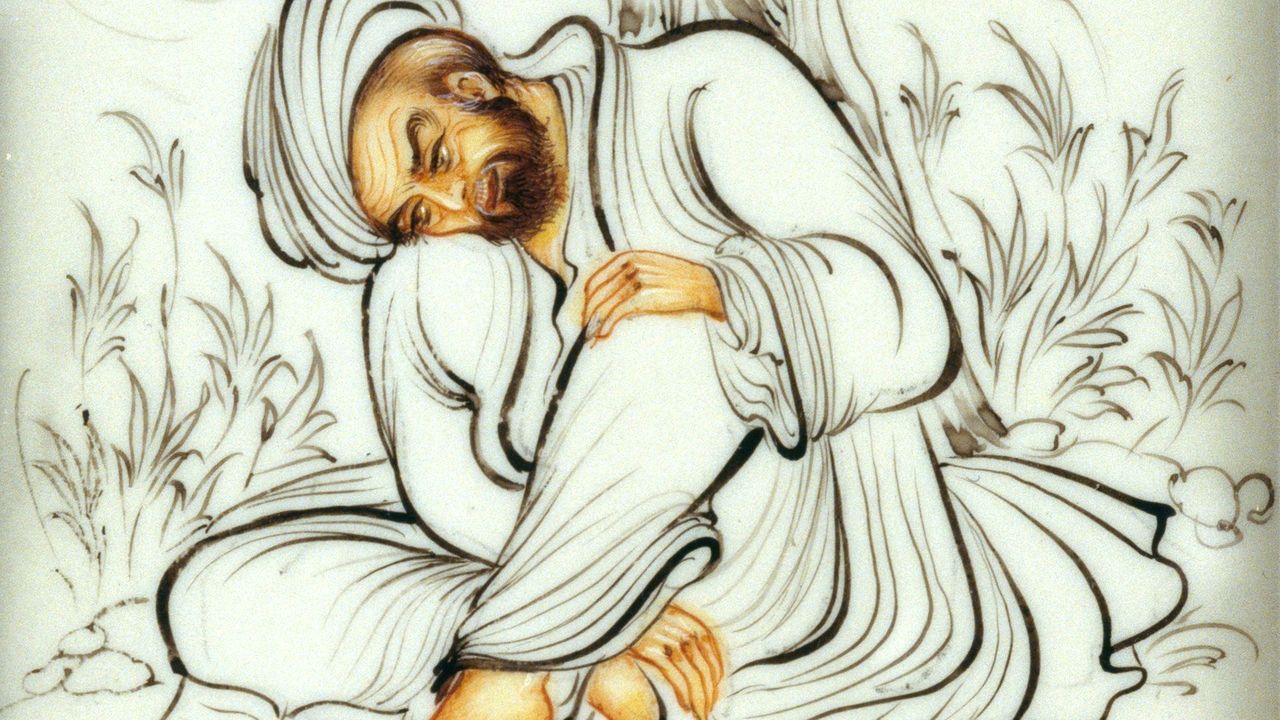
In the evocative words of Hafiz, "O wine, you are the lamp of the lover's night," we are invited to explore the profound interplay between love, illumination, and the intoxicating nature of spiritual experience. This quote serves as a reminder that love, much like wine, has the power to illuminate the darkest corners of our existence. It beckons us to consider how our relationships and passions can guide us through the uncertainties of life, offering clarity and warmth in moments of obscurity.
As we delve deeper into this imagery, we recognize that wine symbolizes not merely a physical substance but an essence that transcends the material. It embodies the intoxicating nature of divine love, which can awaken our senses and elevate our spirits. In the context of Sufism, this quote resonates with the idea that love is a guiding light, illuminating our path and revealing the beauty hidden within the night of our struggles and fears.
The image / the metaphor
Hafiz's metaphor of wine as the "lamp of the lover's night" conjures a vivid image of a darkened landscape illuminated by a gentle, flickering light. The choice of the word "lamp" suggests a source of guidance, a beacon that dispels the shadows of uncertainty and despair. The use of "night" evokes a sense of mystery and depth, symbolizing the emotional and spiritual challenges we face. In this context, wine becomes a transformative force, capable of shifting our perception and allowing us to see beyond the immediate darkness.
Delving deeper into this metaphor, we can interpret wine as a representation of divine love or spiritual ecstasy. Just as wine can intoxicate and alter our state of consciousness, so too can love elevate our awareness and connect us to a greater reality. This duality of intoxication and illumination suggests that true love does not merely provide comfort; it also challenges us to confront our fears and limitations, guiding us toward a more profound understanding of ourselves and our place in the universe.
In the speaker's tradition
Hafiz, a luminary of Sufi poetry, draws upon a rich tradition that emphasizes the transformative power of love and the quest for divine union. Central to Sufism is the concept of *fana*, or the annihilation of the self in the presence of the divine. This notion parallels the experience of intoxication described in Hafiz's quote, where the lover becomes consumed by the light of love, losing the sense of individual identity in the process. The interplay of light and darkness in this context serves as a metaphor for the spiritual journey toward enlightenment and unity with the divine.
Moreover, Hafiz's work can be seen in conversation with other Sufi texts, such as those of Rumi, who similarly extolled the virtues of love as a guiding force. In Rumi's poetry, love is often depicted as a fire that burns away the dross of the ego, revealing the pure essence of the soul. This shared emphasis on love as a transformative light underscores the universality of Hafiz's message, inviting seekers to embrace the intoxicating nature of love as a means of spiritual awakening.
Living the teaching
In our modern lives, we often find ourselves navigating the complexities of relationships, work, and personal aspirations. Imagine a scenario where a friend is grappling with feelings of loneliness and despair. In this moment, the teaching of Hafiz can serve as a guiding light. By offering companionship and understanding, we can embody the essence of the "lamp" that illuminates their night, reminding them that love and connection can dispel the shadows of isolation.
Similarly, in our intimate relationships, the metaphor of wine as a source of illumination can inspire us to cultivate deeper connections with our partners. During moments of conflict or misunderstanding, we can choose to approach the situation with love and compassion, allowing the light of our affection to guide us through the darkness. By embracing this teaching, we not only enhance our relationships but also foster a greater sense of unity and understanding in our shared human experience.
A reflection
As we reflect on Hafiz's poignant words, we are invited to consider the role of love in our own lives. In what ways can we allow the "lamp" of love to illuminate our paths, guiding us through the nights of uncertainty and fear? This contemplative question encourages us to explore the transformative power of love, both in our relationships with others and in our relationship with ourselves. By embracing this light, we may discover new depths of understanding and connection that enrich our spiritual journey.