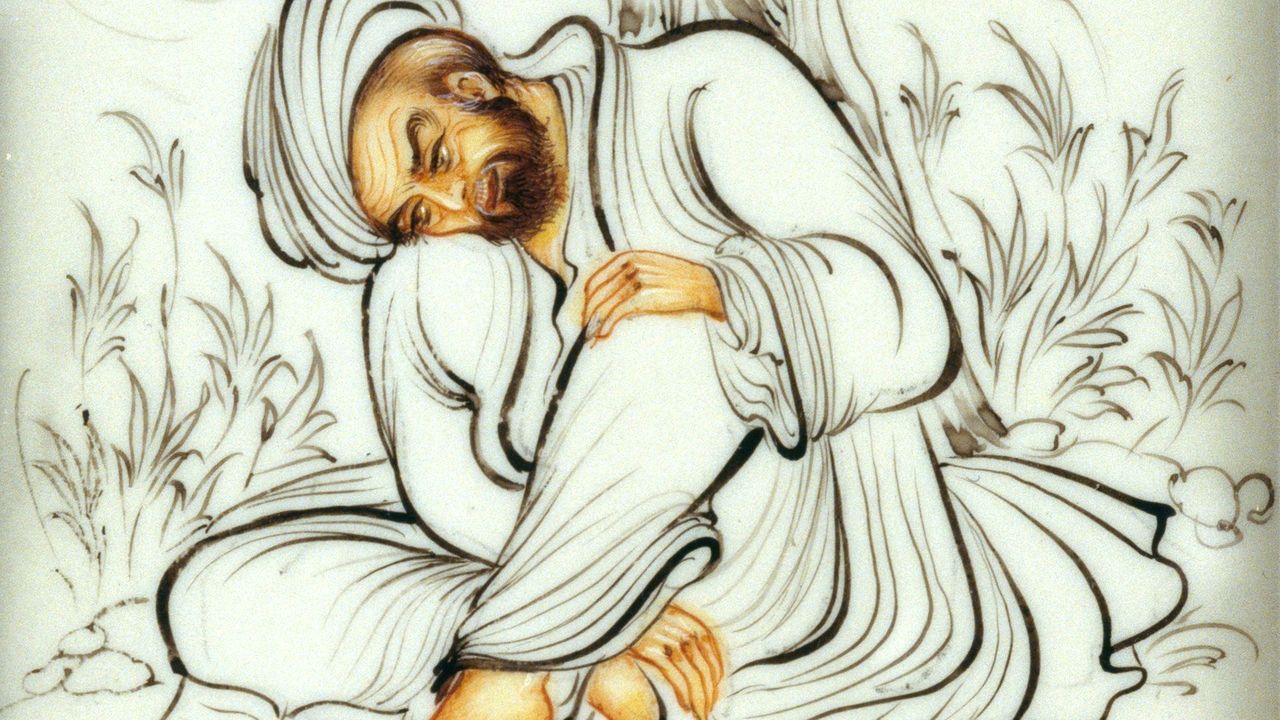
The Sweetness of Pain: A Nightingale's Song
In the poignant words of Hafiz, "O nightingale, sing for the rose, that sweetness comes through pain," we are invited into a profound exploration of the relationship between suffering and beauty. This quote encapsulates the essence of human experience, suggesting that the most exquisite joys often arise from our deepest struggles. It challenges us to recognize that pain is not merely an obstacle but a vital component of the sweetness we seek in life. In a world that often shies away from discomfort, Hafiz beckons us to embrace our trials as the very soil from which our most cherished moments bloom.
As we delve deeper into this evocative imagery, we find that Hafiz is not merely speaking of physical pain but rather the emotional and spiritual trials that shape our existence. The nightingale, a symbol of love and longing, is called to sing for the rose, which represents beauty and love itself. This interplay between the nightingale and the rose serves as a reminder that our most profound expressions of joy and love are often colored by the shadows of our experiences. To truly appreciate the sweetness of life, we must first acknowledge the pain that accompanies it, allowing it to inform our understanding and deepen our capacity for love.
The image / the metaphor
The imagery in Hafiz's quote is rich and layered, inviting us to visualize the nightingale, a creature known for its melodious song, singing for the rose, a symbol of beauty and love. The act of singing itself is an expression of longing, a yearning to connect with something greater than oneself. The choice of the word "sing" evokes a sense of joy and celebration, while "rose" conjures images of delicate beauty, often associated with love and passion. Yet, the phrase "that sweetness comes through pain" introduces a stark contrast, suggesting that the nightingale's song is not merely a celebration but a testament to the struggles endured in the pursuit of beauty.
Diving deeper into the metaphor, we see that the nightingale's song represents the human spirit's resilience and creativity in the face of adversity. The rose, while beautiful, is often surrounded by thorns, symbolizing the pain that accompanies love and beauty. This duality reflects the Sufi understanding of existence, where joy and sorrow are intertwined, and one cannot exist without the other. The nightingale's song, therefore, becomes a powerful reminder that our struggles can give rise to profound beauty, and that the sweetness we seek is often born from the depths of our pain.
In the speaker's tradition
Hafiz's wisdom is deeply rooted in the Sufi tradition, which emphasizes the transformative power of love and the necessity of suffering on the spiritual path. Concepts such as *fana*, or the annihilation of the self, resonate with the idea that true sweetness arises when we surrender our ego and embrace the pain of our human experience. This surrender allows us to connect with the divine and to recognize that our struggles are not separate from our spiritual journey but integral to it. In this light, the nightingale's song becomes a metaphor for the soul's longing for union with the divine, a union that is often forged through trials and tribulations.
In the context of Sufi poetry, Hafiz's message echoes the sentiments found in the works of Rumi, who similarly explores the themes of love, pain, and spiritual awakening. Rumi's poetry often emphasizes the idea that suffering can lead to a deeper understanding of love and connection to the divine. For instance, in his poem "The Guest House," Rumi invites us to welcome all emotions, including sorrow and pain, as they are essential to our growth and understanding. This shared wisdom across Sufi texts reinforces the notion that the sweetness of life is inextricably linked to our willingness to embrace the full spectrum of human experience.
Living the teaching
Consider a modern scenario where this teaching resonates: a person grappling with the loss of a loved one. In the midst of their grief, they may find themselves questioning the purpose of their pain and the meaning of life. Yet, as they navigate through their sorrow, they may also discover moments of profound beauty—memories that bring smiles, connections with others who share their loss, and a deeper appreciation for the love that once was. This journey through pain can ultimately lead to a richer understanding of love, allowing them to sing their own song of resilience and hope.
In relationships, the teaching of Hafiz can manifest in moments of conflict and misunderstanding. When partners face challenges, it is easy to become consumed by the pain of the moment, losing sight of the love that brought them together. However, if they can embrace the discomfort and communicate openly, they may find that their struggles deepen their connection, leading to a more profound appreciation for one another. This process of navigating pain together can transform their relationship, allowing them to create a shared song that celebrates both their joys and their trials.
A reflection
As we reflect on Hafiz's poignant words, we are left with a contemplative question: How can we embrace the pain in our lives as a pathway to greater sweetness and beauty? In what ways might our struggles serve as a catalyst for deeper connections with ourselves and others? By inviting these questions into our hearts, we open ourselves to the possibility of transformation, allowing the nightingale within us to sing for the roses that bloom in our lives.