Embracing the Flame: The Wisdom of Hafiz
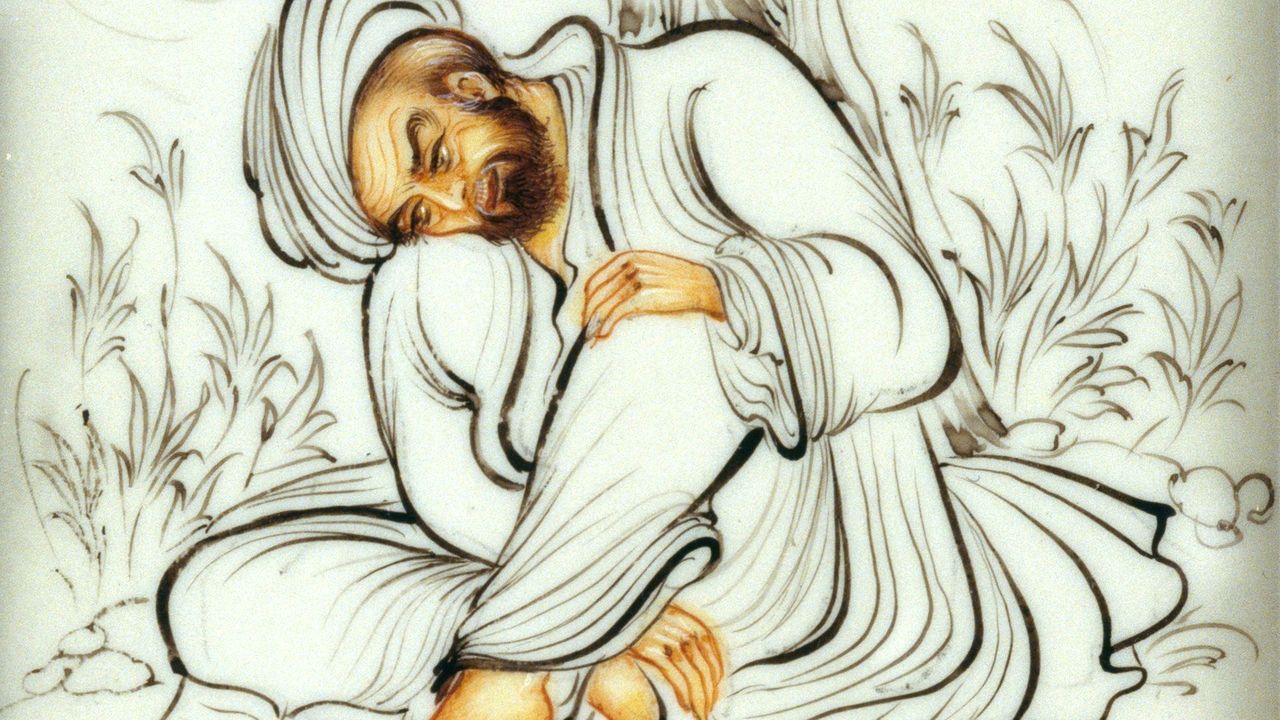
In the poignant words of Hafiz, "O moth, do not blame the candle for the burning," we are invited to reflect on the intricate dance between desire and consequence. This metaphor speaks to the heart of human experience, where the allure of love and passion often leads us into the fires of suffering. The stakes are high; our choices can ignite both joy and pain, and yet, in this duality lies the essence of our spiritual journey. Understanding this quote encourages us to take responsibility for our experiences rather than casting blame on the sources of our desires.
Hafiz, a luminary of Sufi poetry, encapsulates a profound truth about acceptance and the nature of love. The moth, drawn irresistibly to the light of the candle, symbolizes our own yearning for connection and transcendence. Yet, in this pursuit, we often encounter the burning pain of attachment and loss. This quote serves as a gentle reminder that while the flame may cause us to burn, it is our own choices and attachments that lead us there. By embracing this understanding, we can cultivate a deeper acceptance of our experiences, recognizing that love, while beautiful, often comes with its own set of challenges.
The image / the metaphor
The imagery of the moth and the candle is rich and evocative, conjuring a vivid scene of attraction and consequence. The moth, with its delicate wings, is irresistibly drawn to the flame, a symbol of warmth and illumination. The act of burning, a powerful verb in this context, conveys both the allure of the light and the inevitable pain that follows. This duality captures the essence of human desire: the pursuit of beauty and truth often leads us into the fires of transformation, where we may find ourselves scorched yet enlightened.
Diving deeper into the metaphor, we see that the candle represents not just love or passion, but also the divine light that calls us toward growth and understanding. The moth's journey is one of surrender; it is drawn to the light despite the inherent risks. This reflects our own spiritual journeys, where we often pursue what we desire without fully grasping the potential consequences. In this way, Hafiz invites us to embrace the complexity of our experiences, recognizing that the very things that ignite our passions can also lead to our greatest lessons.
In the speaker's tradition
Hafiz's wisdom is deeply rooted in Sufi tradition, which emphasizes the themes of love, acceptance, and the transformative power of experience. Concepts such as fana, or the annihilation of the self in the presence of the divine, resonate with the idea of surrendering to the flame. In this context, the moth's attraction to the candle can be seen as a metaphor for the soul's yearning for union with the divine, where the burning represents the trials and tribulations that accompany such a journey. The Sufi path encourages us to embrace these challenges as essential to our spiritual evolution.
Moreover, Hafiz's work can be likened to the teachings found in Rumi's poetry, where love is often portrayed as a fire that purifies and transforms. In Rumi's words, "The wound is the place where the Light enters you," we find a parallel sentiment: that our suffering and longing can lead us to deeper understanding and connection. Both poets illuminate the path of acceptance, urging us to recognize that the very experiences that cause us pain can also be the catalysts for profound growth and enlightenment.
Living the teaching
Consider a modern scenario where this teaching resonates: a person finds themselves in a passionate relationship that ultimately leads to heartbreak. In the throes of love, they may have felt invincible, yet the subsequent pain of separation leaves them questioning their choices. Here, Hafiz's quote serves as a reminder that the candle—the relationship—should not be blamed for the burning pain of loss. Instead, it invites reflection on the nature of attachment and the lessons learned through the experience of love and loss.
In another application, think of a difficult moment in a friendship where misunderstandings arise. One might feel hurt and inclined to blame the other for their emotional suffering. Yet, Hafiz's wisdom encourages us to look inward, recognizing that our reactions and expectations contribute to our pain. By embracing this perspective, we can cultivate compassion and understanding, allowing the experience to deepen our connections rather than fracture them. This teaching invites us to take responsibility for our emotional landscapes, fostering a sense of acceptance and growth.
A reflection
As we contemplate the wisdom of Hafiz, we are left with a profound question: How can we embrace the flames of our experiences without casting blame on the sources of our desires? This inquiry invites us to explore our relationship with love, loss, and acceptance, encouraging a deeper understanding of our emotional journeys. In this exploration, may we find the courage to face the fires of our lives with grace and wisdom, recognizing that each burn is an opportunity for transformation.