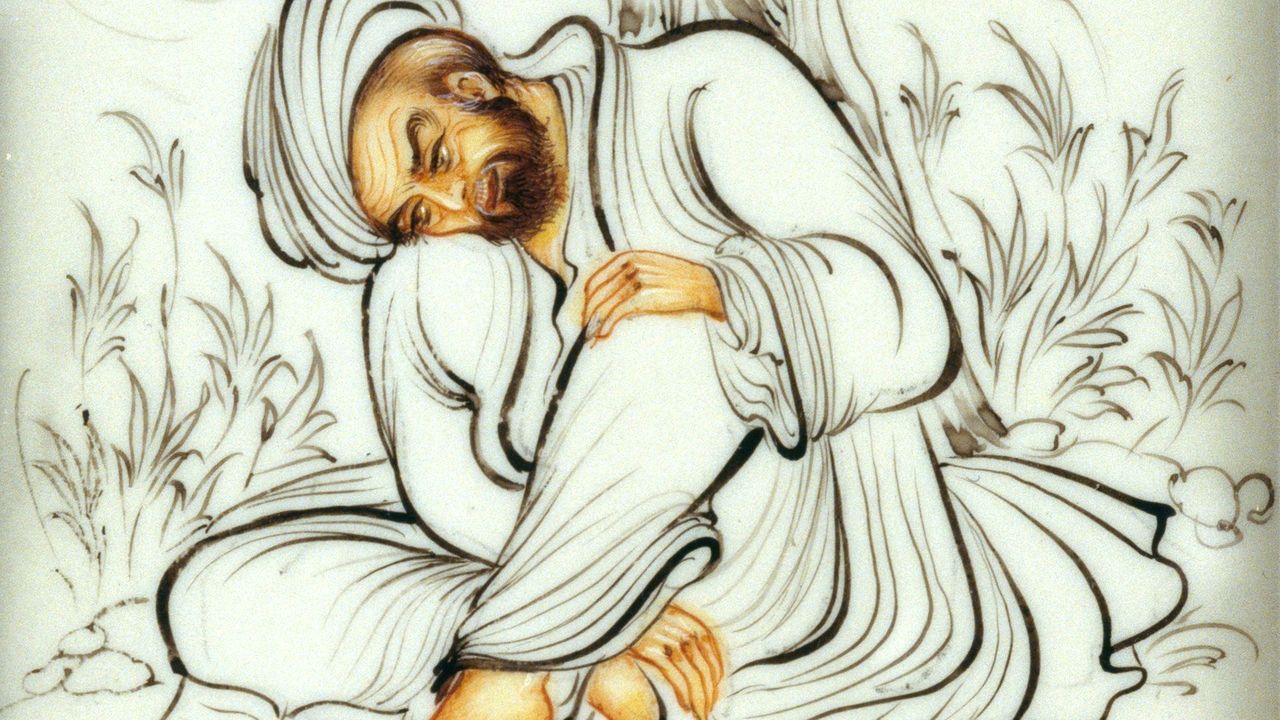
Embracing the Night: The Light of the Beloved
In the poignant words of Hafiz, "O lover, do not fear the night — the Beloved comes when the lamps are dim." This invitation to embrace darkness speaks to the heart of our human experience, where fear often lurks in the shadows. The essence of this quote suggests that in our moments of vulnerability and uncertainty, we may find the presence of the divine or the beloved. It is a call to trust that even when the light seems to fade, love and connection are not far behind.
Hafiz, a luminary of Sufi poetry, invites us to reconsider our relationship with darkness. Rather than viewing it solely as a source of fear, he encourages us to see it as a fertile ground for spiritual awakening and intimacy. The night, often associated with loneliness and despair, can also be a time of profound connection and revelation. This duality of darkness and light is central to the human experience, and Hafiz's words remind us that love often emerges in the most unexpected circumstances.
The image / the metaphor
The imagery in Hafiz's quote is rich and evocative, conjuring a scene where the night envelops the lover in its embrace. The phrase "the lamps are dim" suggests a world where clarity and certainty have faded, leaving only the flickering light of hope. The use of the word "Beloved" is significant, as it transcends mere romantic love, encompassing a divine presence that seeks to connect with us in our most vulnerable moments. This metaphor of dim lamps serves as a reminder that even in our darkest hours, there exists a light that can guide us home.
In the speaker's tradition
Hafiz's wisdom is deeply rooted in the Sufi tradition, which emphasizes the importance of love, longing, and the quest for union with the divine. Concepts such as *fana*, or the annihilation of the self, resonate with the idea of surrendering to the darkness. In Sufism, the journey towards the Beloved often involves traversing through periods of uncertainty and despair, ultimately leading to a deeper understanding of love and existence. This journey reflects the essential Sufi belief that true enlightenment arises from embracing both light and dark.
In the context of Sufi literature, Hafiz's message echoes the teachings found in the works of Rumi, another great Sufi poet. Rumi often speaks of the beloved as a source of illumination in times of darkness, suggesting that love is a guiding force that can lead us through our trials. In his poem "The Guest House," Rumi invites us to welcome all emotions, including sorrow and fear, as they are essential to our spiritual growth. Both poets remind us that the path to love is often paved with moments of uncertainty and darkness.
Living the teaching
Consider a modern scenario where this teaching resonates: a person grappling with the loss of a loved one. In the depths of grief, the night feels interminable, and the absence of light can be overwhelming. Yet, Hafiz's words remind us that even in this profound darkness, the Beloved — whether it be the memory of the loved one, the support of friends, or a deeper connection to the divine — is present. By allowing ourselves to sit with our sorrow, we may discover unexpected moments of grace and love that emerge from our pain.
Another application of this teaching can be found in the realm of relationships. When conflicts arise, it is easy to succumb to fear and doubt, perceiving the darkness of misunderstanding as a sign of impending separation. However, Hafiz encourages us to trust that love can flourish even in these challenging moments. By embracing the discomfort and vulnerability that comes with conflict, we create space for deeper connection and understanding, allowing the Beloved to illuminate our path toward reconciliation.
A reflection
As we contemplate Hafiz's invitation to embrace the night, we are left with a profound question: In what areas of our lives do we fear the darkness, and how might we open ourselves to the possibility of love and connection within it? This question invites us to reflect on our own experiences with fear and vulnerability, encouraging us to seek the light that can emerge from our darkest moments. By embracing this inquiry, we may find ourselves more attuned to the presence of the Beloved in our lives, guiding us through the night.