The True Measure of the Heart
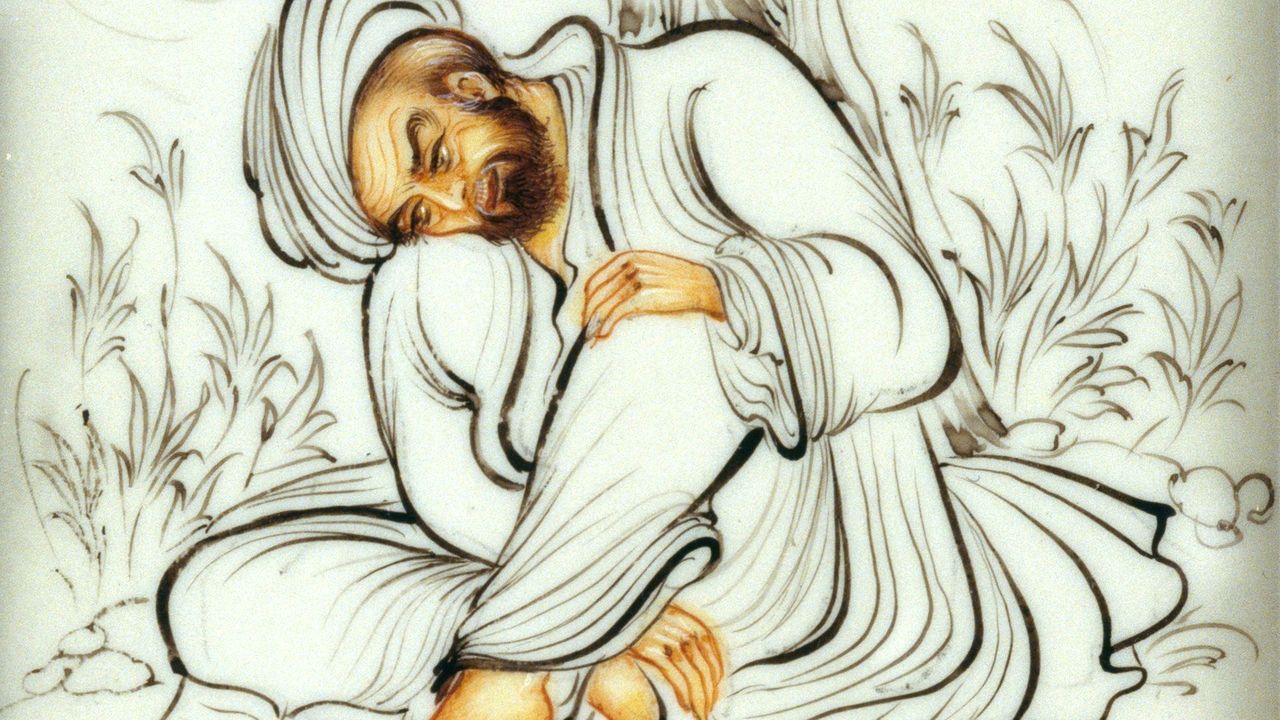
In the poignant words of Hafiz, "O heart, do not measure your worth by the world's coin," we are invited to reconsider the metrics by which we assess our value. This quote speaks to the heart's intrinsic worth, urging us to resist the seductive allure of external validation and societal standards. In a world that often equates success with material wealth and social status, Hafiz's wisdom serves as a gentle reminder that our true essence cannot be quantified by superficial measures.
As we delve deeper into this profound statement, we recognize that Hafiz is not merely cautioning against the pitfalls of materialism; he is illuminating a path toward self-acceptance and inner peace. The heart, in Sufi thought, is not just an organ but a sacred vessel of love, intuition, and spiritual insight. By encouraging us to detach our self-worth from worldly measures, Hafiz invites us to explore a more profound understanding of our existence, one that transcends the transient nature of external accolades.
The image / the metaphor
The imagery in Hafiz's quote evokes a rich tapestry of meaning. The heart, often symbolizing the seat of emotion and spirit, is juxtaposed against the concept of "the world's coin," which represents the superficial values imposed by society. The choice of the word "measure" suggests a careful evaluation, as if the heart is being urged to resist the temptation to weigh its worth against the fluctuating standards of the external world. This creates a felt sense of urgency, as if Hafiz is imploring us to protect the sanctity of our inner selves from the corrosive effects of societal judgment.
Diving deeper into the metaphor, we can see that "the world's coin" is not merely a reference to material wealth but also to the myriad ways in which society attempts to quantify human value—through achievements, appearances, and social standing. By framing worth in such transactional terms, we risk losing sight of the innate beauty and uniqueness that each individual possesses. Hafiz's call to the heart is a call to remember that true worth is not something to be earned or measured; it is a birthright, inherent and unshakeable.
In the speaker's tradition
Hafiz's wisdom is deeply rooted in the Sufi tradition, which emphasizes the importance of the inner journey and the cultivation of the heart. Concepts such as "fana," or the annihilation of the self, resonate with this teaching, as they encourage seekers to transcend the ego and its attachments to worldly measures. In Sufism, the heart is viewed as the locus of divine love and wisdom, a perspective that aligns with Hafiz's exhortation to value oneself beyond external validation. This inner journey is not merely an intellectual exercise but a profound spiritual practice that leads to a deeper connection with the divine.
In the context of Sufi poetry, Hafiz's message echoes the sentiments found in the works of other mystics, such as Rumi, who similarly emphasizes the importance of love and the heart's wisdom. Rumi's notion of "bhakti," or devotion, invites us to surrender our attachments to worldly measures and instead embrace a love that transcends the material realm. This shared understanding within Sufi thought reinforces the idea that true worth is discovered not through external accolades but through an intimate relationship with the divine and the self.
Living the teaching
Consider a modern scenario where this teaching resonates: a young professional striving for success in a competitive workplace. The pressure to achieve and be recognized can lead to a constant comparison with colleagues, measuring self-worth against promotions, salaries, and accolades. In this context, Hafiz's wisdom serves as a powerful reminder to step back and reassess what truly defines value. Rather than allowing external achievements to dictate self-esteem, one can cultivate a sense of worth rooted in personal integrity, passion, and the joy of contributing to the greater good.
Another application of this teaching might arise in the realm of relationships. Imagine a person who feels unworthy of love due to past experiences or societal expectations. Hafiz's message encourages this individual to recognize that their worth is not contingent upon the approval of others or the validation of romantic partners. By embracing the inherent value of their being, they can foster healthier relationships built on mutual respect and genuine connection, rather than the fear of inadequacy or the need for external affirmation.
A reflection
As we contemplate Hafiz's profound words, we are invited to ask ourselves: "In what ways do I allow the world's measures to define my worth?" This question encourages a deep introspection, prompting us to examine the influences that shape our self-perception. By reflecting on our values and the sources of our self-esteem, we can begin to cultivate a more authentic sense of worth that aligns with our true essence, liberated from the constraints of societal expectations.