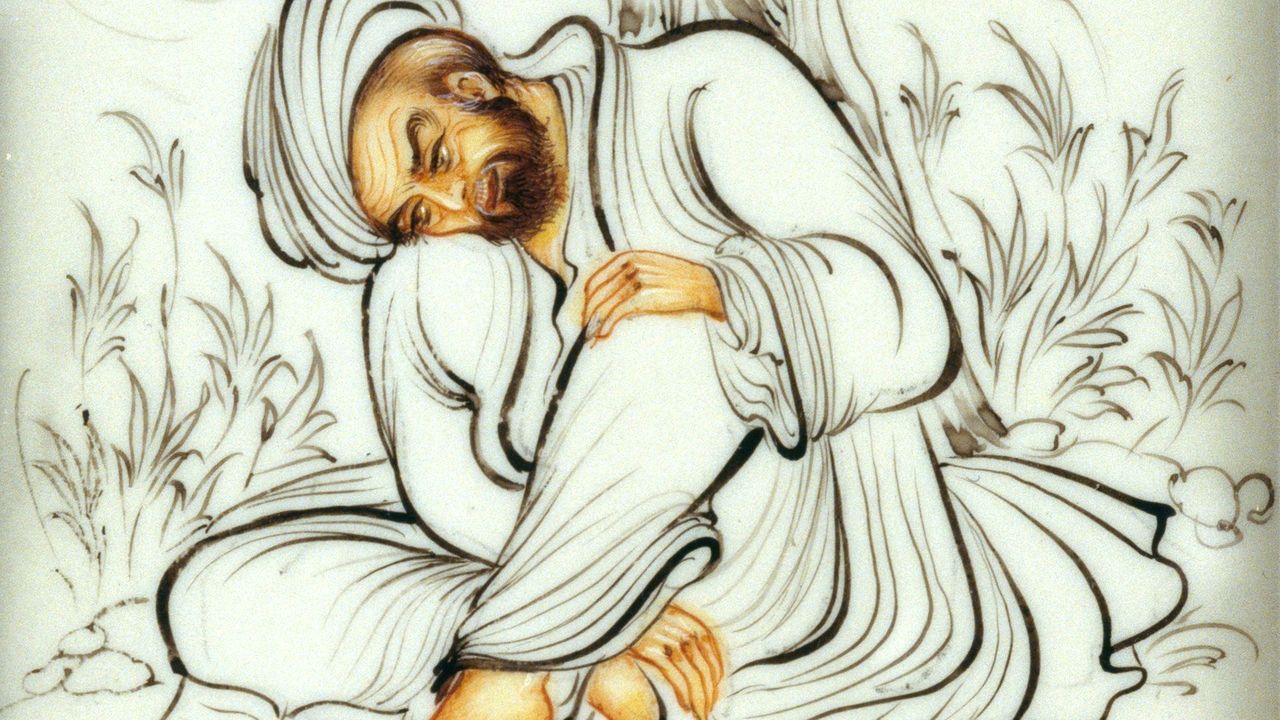
Embracing the Fleeting Moments of Existence
In the evocative words of Hafiz, "O cup-bearer, fill the cup again — the night of life is short," we are beckoned to recognize the ephemeral nature of our existence. This call to action implores us to savor every moment, to embrace the joys and sorrows that life offers, and to fill our metaphorical cups with experiences that nourish our souls. The urgency in Hafiz's plea resonates deeply within us, reminding us that life is both precious and fleeting, urging us to live fully and authentically.
As we delve deeper into this quote, we uncover layers of meaning that speak to the heart of human experience. The imagery of the cup-bearer suggests a relationship between the divine and the seeker, where the act of filling the cup symbolizes the continuous flow of love, wisdom, and joy. In a world often overshadowed by the mundane, Hafiz invites us to awaken to the richness of life, to recognize that each moment is an opportunity to partake in the divine banquet that surrounds us.
The image / the metaphor
At its surface, the imagery of a cup and a cup-bearer evokes a sense of hospitality and abundance. The act of filling the cup again suggests a cyclical nature of life, where moments of joy and sorrow intermingle, creating a tapestry of experiences. The choice of the word "again" emphasizes the idea of renewal, as if to say that no matter how many times we have tasted the bittersweet essence of life, there is always more to savor. This imagery invites us to engage with life actively, to seek out the fullness that each moment can offer.
Diving deeper into the metaphor, the cup can be seen as a vessel for our experiences, emotions, and spiritual insights. It represents our capacity to hold and embrace the richness of life, while the cup-bearer symbolizes the divine presence that continually offers us opportunities for growth and understanding. In this light, the act of filling the cup becomes a sacred ritual, a reminder that life is not merely to be endured but celebrated. Each refill is a chance to reflect on our journey, to acknowledge the impermanence of our circumstances, and to cultivate gratitude for the fleeting moments that define our existence.
In the speaker's tradition
Hafiz's wisdom is deeply rooted in the Sufi tradition, which emphasizes the importance of love, unity, and the quest for divine truth. Concepts such as *fana*, the annihilation of the self in the presence of the divine, resonate with the idea of surrendering to the flow of life. In this context, the cup symbolizes not only our individual experiences but also our connection to the greater whole, inviting us to dissolve our separateness and embrace the interconnectedness of all beings. The act of filling the cup again can be seen as a metaphor for the continuous journey toward spiritual awakening and the realization of our true nature.
In the poetry of Rumi, a contemporary of Hafiz, we find similar themes that echo the sentiment of this quote. Rumi often speaks of the divine as a source of endless love and wisdom, urging seekers to immerse themselves in the ocean of existence. In his poem "The Guest House," he invites us to welcome all emotions, likening them to visitors who bring valuable lessons. This parallel reinforces the notion that life, with its transient nature, is a sacred gift that deserves our full attention and appreciation.
Living the teaching
Imagine a modern scenario where the urgency of life often leads us to overlook the beauty in everyday moments. Consider a busy professional who, amidst deadlines and responsibilities, finds little time to pause and appreciate the world around them. By embracing Hafiz's teaching, this individual might choose to take a moment each day to fill their cup — perhaps by savoring a cup of tea, taking a walk in nature, or engaging in a heartfelt conversation with a loved one. This conscious act of filling the cup becomes a practice of mindfulness, allowing them to reconnect with the richness of life and cultivate a sense of gratitude.
In relationships, the teaching of Hafiz can also find profound application. During moments of conflict or misunderstanding, partners may feel tempted to withdraw or harbor resentment. However, by choosing to fill their cups with compassion and understanding, they can transform these challenging moments into opportunities for growth. This practice of actively seeking to understand one another, of filling the cup with love and empathy, can deepen their connection and foster a sense of unity that transcends the transient nature of their disagreements.
A reflection
As we contemplate the wisdom of Hafiz, we are invited to reflect on our own lives and the ways in which we fill our cups. Are we fully engaging with the present moment, or are we allowing the night of life to slip by unnoticed? In what ways can we cultivate a deeper appreciation for the fleeting beauty that surrounds us? Let us carry this question into our daily lives, allowing it to guide us toward a more intentional and fulfilling existence.