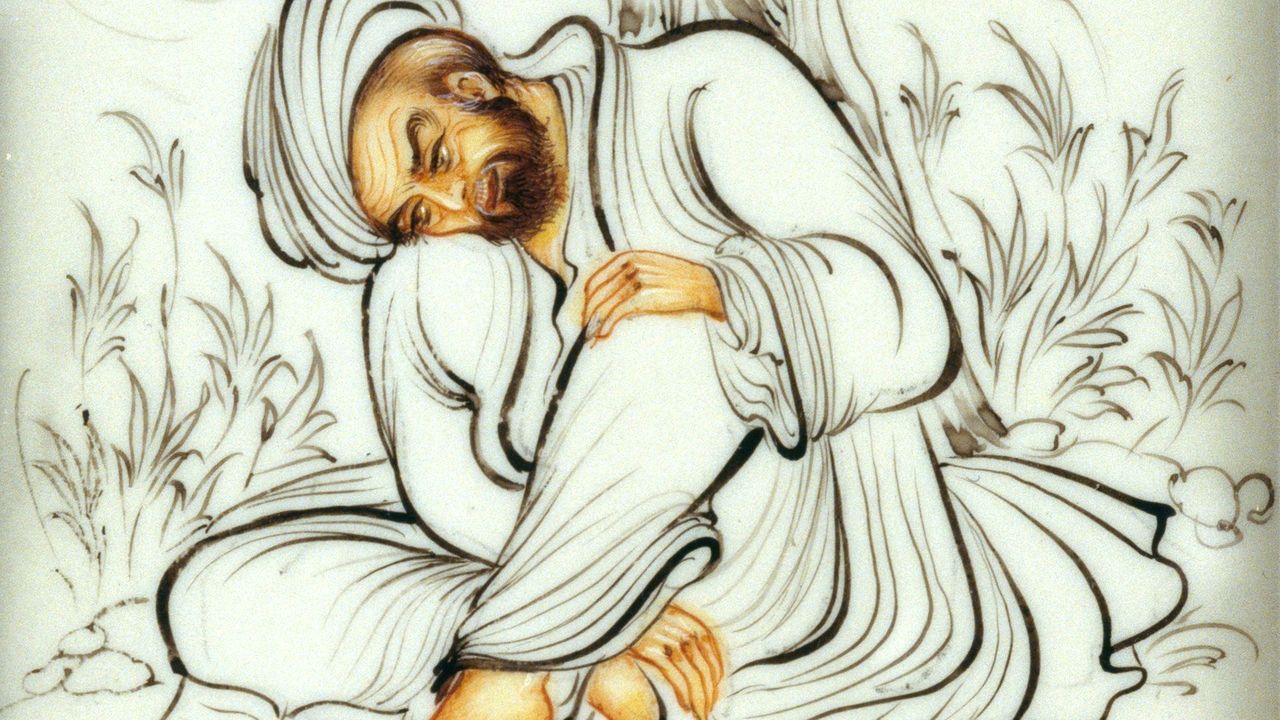
In the Dust of Humility: The Ecstasy of Surrender
Hafiz's poignant declaration, "My head bowed to the dust of the tavern when reason had left me," invites us into a profound exploration of humility and ecstasy. In this moment of surrender, the poet captures the essence of losing oneself in the intoxicating embrace of divine love, where reason falters and the heart takes flight. This quote resonates deeply within the Sufi tradition, urging us to recognize the beauty that arises from our vulnerability and the transformative power of letting go.
To bow one's head to the dust of the tavern is to acknowledge a state of being that transcends the confines of rational thought. It is a call to embrace the ecstatic experience of life, where the ordinary becomes sacred, and the tavern—a metaphor for the world—serves as a space for spiritual awakening. In this surrender, we find not only humility but also a profound connection to the divine, reminding us that true wisdom often lies beyond the grasp of our intellect.
The image / the metaphor
The imagery in Hafiz's quote is rich and layered, evoking a sense of both physical and spiritual grounding. The act of bowing one's head to the dust suggests a deep reverence for the earth and the experiences that shape our existence. The tavern, often associated with revelry and liberation, becomes a sacred space where the boundaries of self dissolve, allowing for a communion with the divine. The choice of the word "dust" evokes the transient nature of life, reminding us of our humble origins and the inevitability of our return to the earth.
Delving deeper into the metaphor, we see that the tavern symbolizes a place of transformation, where the mundane is infused with the sacred. In Sufi thought, this aligns with the concept of fana, or annihilation of the self, where one loses their individual identity in the overwhelming presence of divine love. This ecstatic state, where reason is eclipsed by a higher understanding, invites us to embrace our vulnerability and recognize that true wisdom often emerges from surrendering our need for control.
In the speaker's tradition
Hafiz's words resonate profoundly within the Sufi tradition, which emphasizes the importance of humility and the ecstatic experience of divine love. Concepts such as dharma and kenosis find their echoes here, as they both speak to the relinquishing of the ego in favor of a deeper connection with the divine. In Sufism, the journey towards enlightenment often involves a process of surrender, where the seeker must let go of their preconceived notions and open themselves to the transformative power of love and grace.
In the context of Hafiz's work, we can draw parallels to the teachings of Rumi, another luminary of Sufi poetry. Rumi often speaks of the heart's journey towards union with the divine, emphasizing the necessity of surrendering the self to experience true love. In his poem "The Guest House," Rumi invites us to welcome all emotions, both joyous and sorrowful, as they are essential to our spiritual growth. This shared understanding within the Sufi tradition underscores the importance of humility and the ecstatic experience as pathways to divine connection.
Living the teaching
Imagine a moment in your life when you faced a significant challenge—perhaps a job loss or the end of a relationship. In that moment of despair, you may have felt the urge to cling to reason, to analyze and control the situation. Yet, what if you chose instead to bow your head to the dust of the tavern, allowing yourself to feel the weight of your vulnerability? In that surrender, you might discover a deeper sense of clarity and connection, as the chaos of life transforms into an opportunity for growth and renewal.
In the realm of relationships, this teaching can manifest in moments of conflict or misunderstanding. When faced with a disagreement, instead of holding tightly to your perspective, consider bowing to the dust of humility. By acknowledging your own limitations and embracing the possibility of being wrong, you create space for empathy and understanding. This act of surrender not only deepens your connection with others but also invites the divine into your interactions, transforming the mundane into the sacred.
A reflection
As we contemplate Hafiz's profound words, we are invited to reflect on the nature of our own surrender. In what areas of your life do you find it challenging to bow your head to the dust? Consider the moments when reason has left you, and how those experiences might lead to a deeper understanding of yourself and your connection to the divine. Allow this contemplation to guide you towards a greater sense of humility and openness, as you navigate the complexities of life.