The Transformative Journey of Love
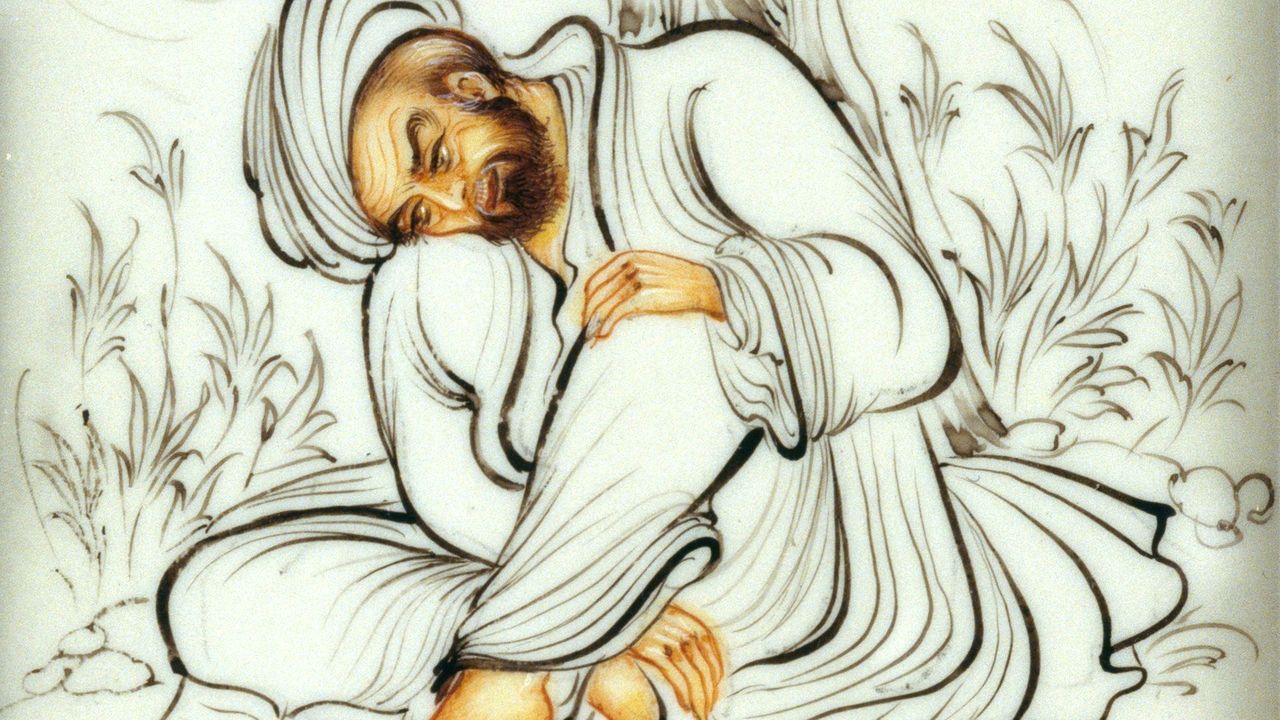
Hafiz, the beloved Persian poet, offers a profound insight when he states, "In the lane of love, no traveler returns the same." This evocative line suggests that the journey of love is not merely a passage through time and space but a transformative experience that alters the essence of those who embark upon it. The stakes are high; to engage in love is to open oneself to the possibility of profound change, to be reshaped by the very act of loving and being loved. This transformation is not superficial; it penetrates the depths of our being, challenging our perceptions and inviting us to evolve.
As we delve deeper into this quote, we recognize that love, in its myriad forms, serves as a catalyst for personal growth and spiritual awakening. The "lane of love" conjures an image of a path that is both intimate and expansive, suggesting that love is a journey that requires courage and vulnerability. It is a space where the heart is laid bare, and the soul is invited to dance in the light of connection. This journey is not linear; it is filled with twists and turns, moments of joy and sorrow, yet it is precisely these experiences that contribute to our transformation. To love is to embrace the unknown and to allow ourselves to be changed by the very act of loving.
The image / the metaphor
The imagery in Hafiz's quote is rich and evocative, inviting us to visualize a lane—a narrow passageway that symbolizes the intimate journey of love. The word "traveler" suggests an active participant, someone who is not merely observing but engaging fully with the experience. The choice of the verb "returns" implies a journey that is cyclical, where one goes forth and comes back, yet the return is not to the same self. Instead, it is a return to a self that has been enriched, expanded, and transformed by the experiences encountered along the way.
Diving deeper into the metaphor, we can see that the "lane of love" represents a sacred space where the heart is both a guide and a vessel. It is a path that requires surrender and trust, as the traveler must navigate through the complexities of emotions, desires, and vulnerabilities. Love, in this context, becomes a transformative force that reshapes our understanding of ourselves and our relationships with others. The journey is not just about the destination but about the metamorphosis that occurs within us as we traverse this lane, ultimately leading to a deeper connection with the divine and with humanity.
In the speaker's tradition
Hafiz's wisdom is deeply rooted in the Sufi tradition, which emphasizes the transformative power of love as a means of spiritual awakening. Central to Sufism is the concept of "fana," or the annihilation of the self in the love of the Divine. This idea resonates with Hafiz's assertion that love changes the traveler; in surrendering to love, one experiences a dissolution of the ego and a merging with the greater whole. The journey of love, therefore, is not just a personal endeavor but a spiritual pilgrimage that leads to unity with the divine essence.
In the context of Sufi literature, we can draw parallels with the works of Rumi, another luminary of this tradition. Rumi often speaks of love as a force that transcends the individual, leading to a state of "shahada," or witnessing the divine presence in all things. In his poem "The Guest House," Rumi invites us to welcome all emotions, suggesting that each experience—joy, sorrow, anger—contributes to our spiritual growth. Similarly, Hafiz's lane of love encourages us to embrace the full spectrum of our emotional landscape, recognizing that each encounter shapes us in profound ways.
Living the teaching
In our modern lives, the teaching of Hafiz can manifest in various scenarios, particularly in the realm of relationships. Consider a situation where two individuals embark on a romantic journey together. As they navigate the complexities of intimacy, they may find themselves confronting their fears, insecurities, and past wounds. This process can be challenging, yet it is within these moments of vulnerability that true transformation occurs. Each partner, through their willingness to love and be loved, emerges from the experience not as they were but as a more authentic version of themselves, enriched by the shared journey.
Moreover, the teaching can also be applied to our daily practices and interactions with others. For instance, in a workplace setting, when we approach our colleagues with love and compassion, we create an environment conducive to growth and collaboration. This act of loving engagement can lead to a transformation not only in our relationships but also in our professional lives. By fostering a culture of support and understanding, we become travelers in the lane of love, returning to our work with renewed purpose and connection, embodying the very essence of Hafiz's wisdom.
A reflection
As we contemplate Hafiz's profound insight, we are invited to reflect on our own journeys of love and transformation. What experiences have shaped you in ways you could not have anticipated? In what ways have you allowed love to change you, and how might you embrace the transformative power of love in your life moving forward? Consider these questions as you navigate your own lane of love, recognizing that each step taken in vulnerability and openness is a step toward becoming the person you are meant to be.