The Alchemy of Tears: Transforming Suffering into Divine Beauty
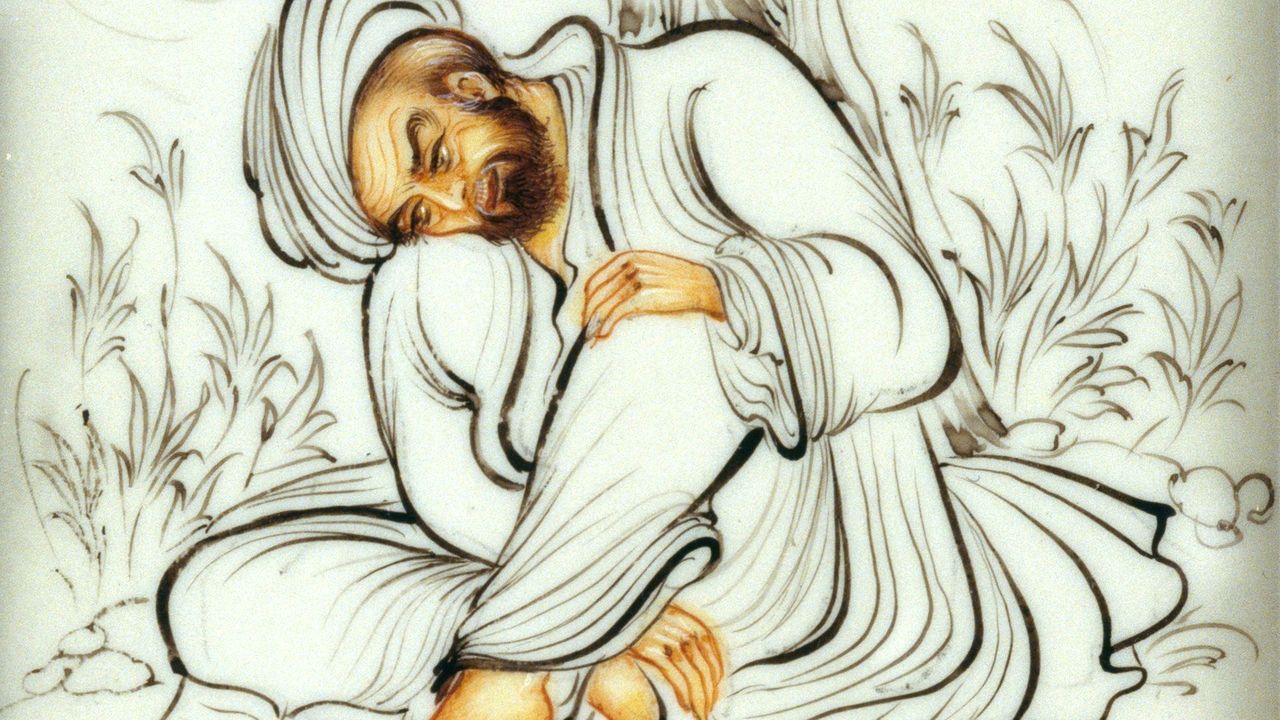
In the poignant words of Hafiz, "do not number the lover's tears — they are pearls in heaven's count," we are invited to reconsider the nature of our suffering and the value of our emotional experiences. This quote suggests that the tears we shed in love and longing are not mere signs of sorrow but rather precious gems that contribute to a greater cosmic tapestry. The stakes of this teaching are profound; it challenges us to see our pain not as burdens but as transformative elements that enrich our spiritual journey.
Hafiz, a master of Sufi poetry, speaks to the heart of human experience, where love and loss intertwine. His words remind us that every tear carries the potential for alchemical transformation, turning our grief into something beautiful and divine. This perspective invites us to embrace our emotional depths, recognizing that they are integral to our spiritual growth and connection to the divine. In a world that often encourages us to suppress our feelings, Hafiz's wisdom offers a radical invitation to honor our emotional lives as sacred.
The image / the metaphor
The imagery in Hafiz's quote is rich and evocative, presenting tears as pearls—symbols of beauty and value. The act of numbering tears suggests a futile attempt to quantify emotional pain, while the phrase "pearls in heaven's count" elevates these tears to a celestial significance. This metaphor speaks to the idea that our suffering, often perceived as a burden, is actually a source of beauty in the divine realm, contributing to a larger understanding of love and connection.
Diving deeper into the metaphor, we can see that pearls are formed through a process of irritation and discomfort, much like the emotional trials we face. Just as an oyster transforms a grain of sand into a pearl through layers of nacre, our tears can be seen as the raw material for spiritual growth. This alchemical process suggests that our emotional experiences, particularly those marked by love and longing, are essential for creating something beautiful within ourselves and in our relationship with the divine.
In the speaker's tradition
Hafiz's teachings are deeply rooted in the Sufi tradition, which emphasizes the transformative power of love and the importance of surrendering to the divine. Concepts such as fana (the annihilation of the self) and bhakti (devotional love) resonate with the idea that our emotional experiences, including suffering, can lead to a deeper connection with the divine. In Sufism, the lover's journey is often marked by trials that ultimately lead to spiritual awakening, suggesting that our tears are not only valid but necessary for our spiritual evolution.
A relevant text that echoes this sentiment is Rumi's "The Masnavi," where he explores the themes of love and suffering as pathways to divine union. Rumi, like Hafiz, emphasizes that the trials of love are essential for spiritual growth, portraying the lover's journey as one filled with both joy and sorrow. This shared understanding within Sufi literature highlights the idea that our emotional experiences, including tears, are integral to our spiritual path and contribute to our ultimate union with the divine.
Living the teaching
Consider a modern scenario where someone experiences heartbreak after a significant relationship ends. In this moment of deep sorrow, it can be easy to feel overwhelmed and to view the tears as a sign of weakness or failure. However, if we embrace Hafiz's teaching, we can reframe this experience, recognizing that each tear is a pearl contributing to our personal growth and understanding of love. This perspective allows us to honor our feelings, transforming our heartbreak into a source of wisdom and strength.
In another application, think of a difficult moment in a close relationship, where misunderstandings lead to emotional pain. Instead of avoiding the discomfort or numbing the feelings, we can choose to engage with our tears as a form of communication and connection. By expressing our vulnerabilities, we create space for healing and deeper intimacy. This practice of embracing our emotional experiences, as suggested by Hafiz, can lead to profound transformations in our relationships and our understanding of love.
A reflection
As we contemplate Hafiz's words, we are invited to consider the nature of our own emotional experiences. How do we perceive our tears—are they burdens to be hidden, or are they pearls that enrich our spiritual journey? In moments of sorrow, can we find the courage to embrace our feelings as sacred gifts that contribute to our growth and connection to the divine? Reflecting on these questions can deepen our understanding of love and suffering, guiding us toward a more profound appreciation of our emotional lives.