Embracing the Flame of Experience
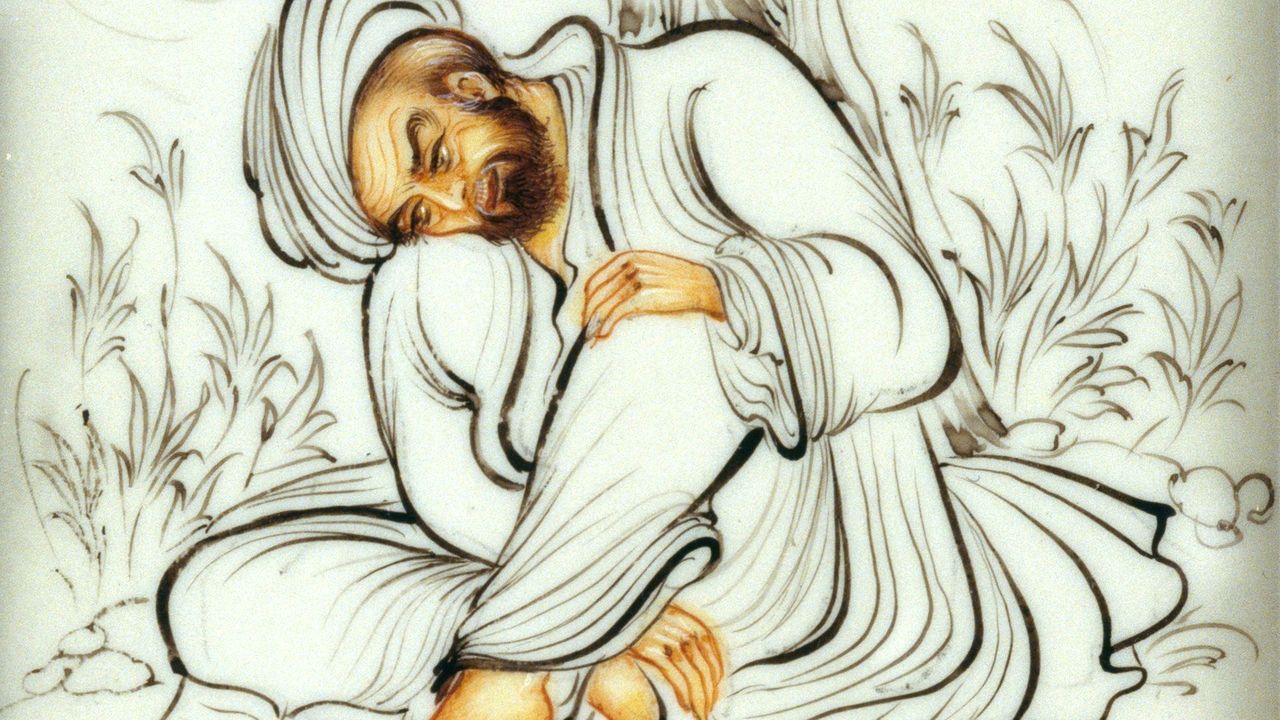
Hafiz's evocative declaration, "Burn — and you will know the difference," invites us into a profound exploration of experience and transformation. In this simple yet powerful statement, he suggests that true understanding arises not from mere intellectual contemplation but through the visceral act of living, feeling, and even suffering. The stakes are high; to truly know oneself and the world, one must be willing to endure the fire of existence, which can illuminate the shadows of ignorance and reveal the essence of being.
In a world often dominated by superficiality and distraction, Hafiz's words resonate deeply, urging us to engage with life in its rawest form. The act of burning symbolizes a process of purification and awakening, where the flames of experience strip away the unnecessary layers of pretense and fear. This journey into the heart of our own existence is not merely a call to endure hardship but an invitation to embrace the transformative power of our trials, leading to a deeper, more authentic understanding of ourselves and our place in the universe.
The image / the metaphor
The imagery of "burning" conjures a visceral sense of intensity and urgency. It evokes the idea of fire as both a destructive and a purifying force. In many cultures, fire represents transformation; it can consume what is old and unworthy, making way for new growth. The verb "burn" is active and demanding, suggesting that knowledge is not passively received but actively forged through experience. This burning is not just about suffering; it is about the alchemical process of turning pain into wisdom, transforming the raw material of our lives into something precious.
Diving deeper into the metaphor, we can see that burning also implies a surrender to the process of life itself. It is an acknowledgment that to truly know, one must be willing to let go of control and allow oneself to be shaped by the experiences that come. This surrender can be terrifying, as it requires us to confront our vulnerabilities and fears. Yet, it is through this very act of surrender that we can emerge transformed, with a clearer understanding of our true nature and the interconnectedness of all things.
In the speaker's tradition
Hafiz, a luminary of Sufi poetry, speaks from a tradition rich in the exploration of the self and the divine. Central to Sufism is the concept of *fana*, or annihilation of the self, which aligns closely with the idea of burning. To experience *fana* is to let go of the ego and the illusions that separate us from the divine, allowing for a deeper connection to the universe. This process of burning away the self leads to a profound realization of unity with all that exists, echoing the teachings found in the works of other Sufi masters like Rumi and Ibn Arabi.
In the *Divan*, Hafiz often employs the metaphor of the beloved to illustrate the longing for divine union, suggesting that the burning of desire can lead to a deeper understanding of love and existence. This longing is not merely romantic; it is a spiritual quest for truth and connection. The act of burning, therefore, becomes a sacred journey toward enlightenment, where the seeker learns to navigate the complexities of love, loss, and ultimately, the divine presence within and around them.
Living the teaching
Consider a modern scenario where this teaching might resonate: a person facing a significant life change, such as the end of a relationship or the loss of a job. In such moments, the emotional turmoil can feel like a burning fire, consuming the familiar and leaving behind a sense of chaos. Yet, it is within this chaos that profound insights can emerge. By allowing oneself to fully experience the pain and uncertainty, rather than avoiding or numbing it, one can begin to understand the deeper lessons hidden within the experience. This process of burning through grief can lead to a renewed sense of purpose and clarity.
In another context, think about a challenging relationship where misunderstandings and conflicts seem to ignite frequent emotional fires. Here, the teaching of Hafiz can serve as a reminder to engage with the discomfort rather than retreating into defensiveness. By embracing the burning sensations of anger or hurt, individuals can foster deeper communication and empathy. This willingness to confront and understand the flames of conflict can transform relationships, allowing for healing and growth that might not have been possible without the initial fire.
A reflection
As we contemplate Hafiz's profound invitation to "burn," we are prompted to consider our own relationship with experience and transformation. What are the fires in our lives that we have avoided or feared? How might we embrace these challenges as opportunities for growth and understanding? In the spirit of Hafiz, let us reflect on the question: What does it mean for you to burn, and how can you allow this process to illuminate your path toward deeper knowledge and connection?