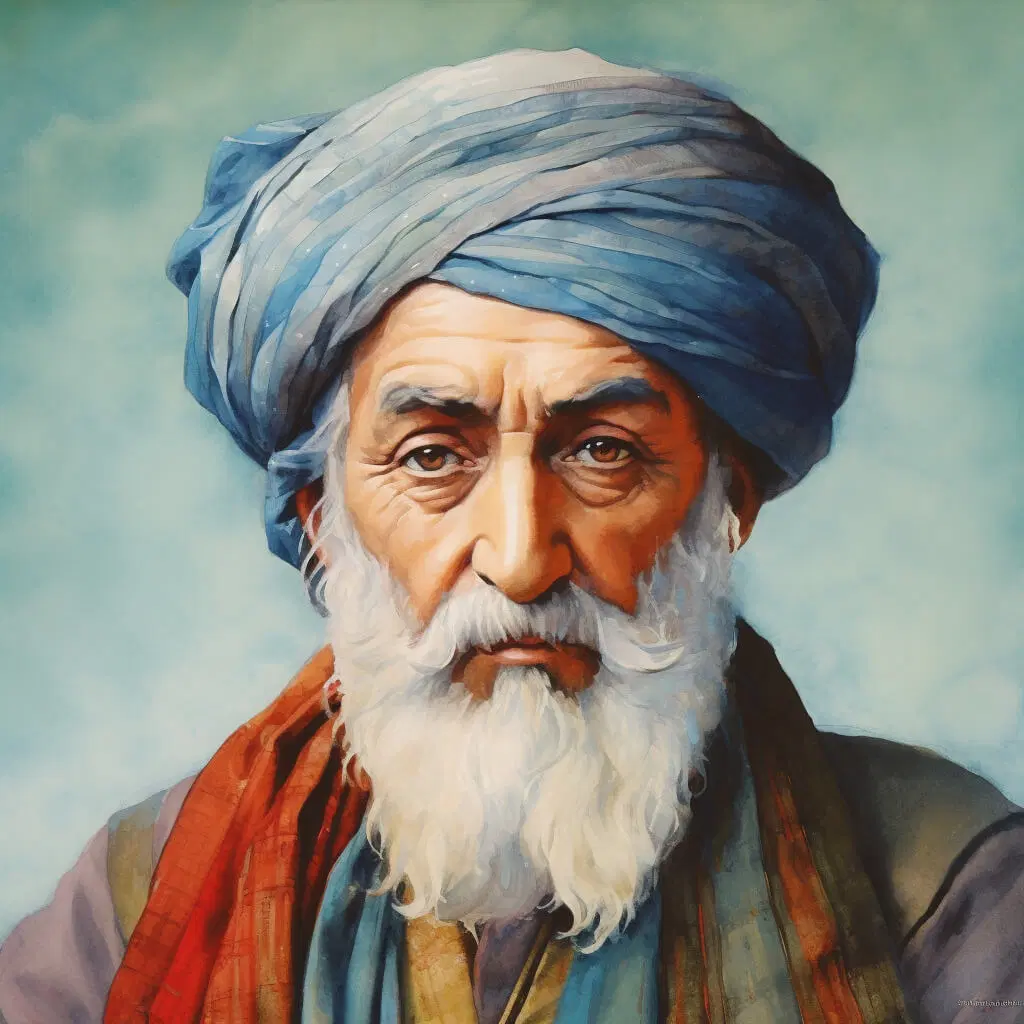
The Journey of Love and Power: Rumi's Wisdom on Travel
Rumi's assertion that "Travel brings power and love back into your life" invites us to consider the transformative potential of movement and exploration. This statement suggests that through the act of traveling—whether physically, emotionally, or spiritually—we can reclaim vital energies that may have become dormant in our daily routines. In a world often characterized by stagnation and monotony, Rumi's words remind us of the importance of seeking renewal and connection, both within ourselves and with the world around us.
At its core, Rumi's quote speaks to the profound relationship between journey and self-discovery. Travel, in this sense, is not merely a physical act but a metaphor for the inner journey we undertake to rediscover our passions and our capacity for love. By stepping outside our familiar environments, we create space for new experiences and insights, allowing the power of love to permeate our lives once more. This journey, therefore, becomes a sacred pilgrimage toward a deeper understanding of ourselves and our connections with others.
The image / the metaphor
Rumi's use of the words "power" and "love" evokes a rich tapestry of imagery that speaks to the heart of human experience. Power, in this context, can be understood as the inner strength and vitality that fuels our actions and intentions. Love, on the other hand, represents the deep connections we forge with others and the universe itself. The act of travel serves as a catalyst for awakening these dormant energies, suggesting that movement—both literal and metaphorical—can lead to a revitalization of our spirit.
Diving deeper into the metaphor, we can see that travel symbolizes the journey of the soul. Just as a traveler encounters new landscapes and cultures, we too must navigate the varied terrains of our inner lives. Each step taken on this journey has the potential to reveal hidden aspects of ourselves, leading to a richer, more nuanced understanding of love and power. In this way, Rumi's quote encourages us to embrace the unknown, for it is often in the unfamiliar that we find the keys to our own transformation.
In the speaker's tradition
Rumi's perspective is deeply rooted in Sufism, a mystical branch of Islam that emphasizes the inner dimensions of faith and the pursuit of divine love. Central to Sufi thought is the concept of *fana*, or the annihilation of the self in the presence of the divine, which aligns with the idea that true power and love emerge when we transcend our ego-driven desires. This journey toward *fana* often involves a physical or spiritual pilgrimage, echoing Rumi's assertion that travel can lead to profound renewal.
In the *Masnavi*, Rumi explores the themes of love and the quest for truth through various allegories and narratives. One poignant story illustrates how the seeker must venture beyond the confines of their comfort zone to encounter the divine. This aligns with the notion that love is not merely an emotion but a force that propels us toward greater understanding and connection, reinforcing the idea that travel—both outward and inward—can restore our sense of purpose and belonging.
Living the teaching
Consider a modern scenario where an individual feels trapped in the monotony of daily life. Perhaps they are caught in a routine that stifles their creativity and passion. By choosing to embark on a journey—whether it be a weekend getaway, a solo retreat, or even a walk in nature—they open themselves to new experiences that can reignite their sense of wonder and love for life. This act of travel becomes a powerful reminder that stepping away from the familiar can lead to the rediscovery of one's passions and the rekindling of relationships.
In the realm of relationships, Rumi's teaching can be applied to the dynamics between partners. When conflicts arise or love feels stagnant, taking a trip together can serve as a transformative experience. The shared adventure allows couples to reconnect, fostering deeper intimacy and understanding. In this way, travel becomes a metaphorical journey that not only strengthens bonds but also revitalizes the love that may have been overshadowed by daily stresses and routines.
A reflection
As we contemplate Rumi's wisdom, we are invited to reflect on our own journeys—both the physical and the emotional. How often do we allow ourselves to step outside our comfort zones in pursuit of renewal and connection? In what ways can we embrace the transformative power of travel to bring love back into our lives? Consider this: What journey, whether big or small, could you undertake to reclaim the vitality and love that Rumi speaks of?



Join the BrightStar Community
Stay connected with daily inspiration, event announcements, and community wisdom