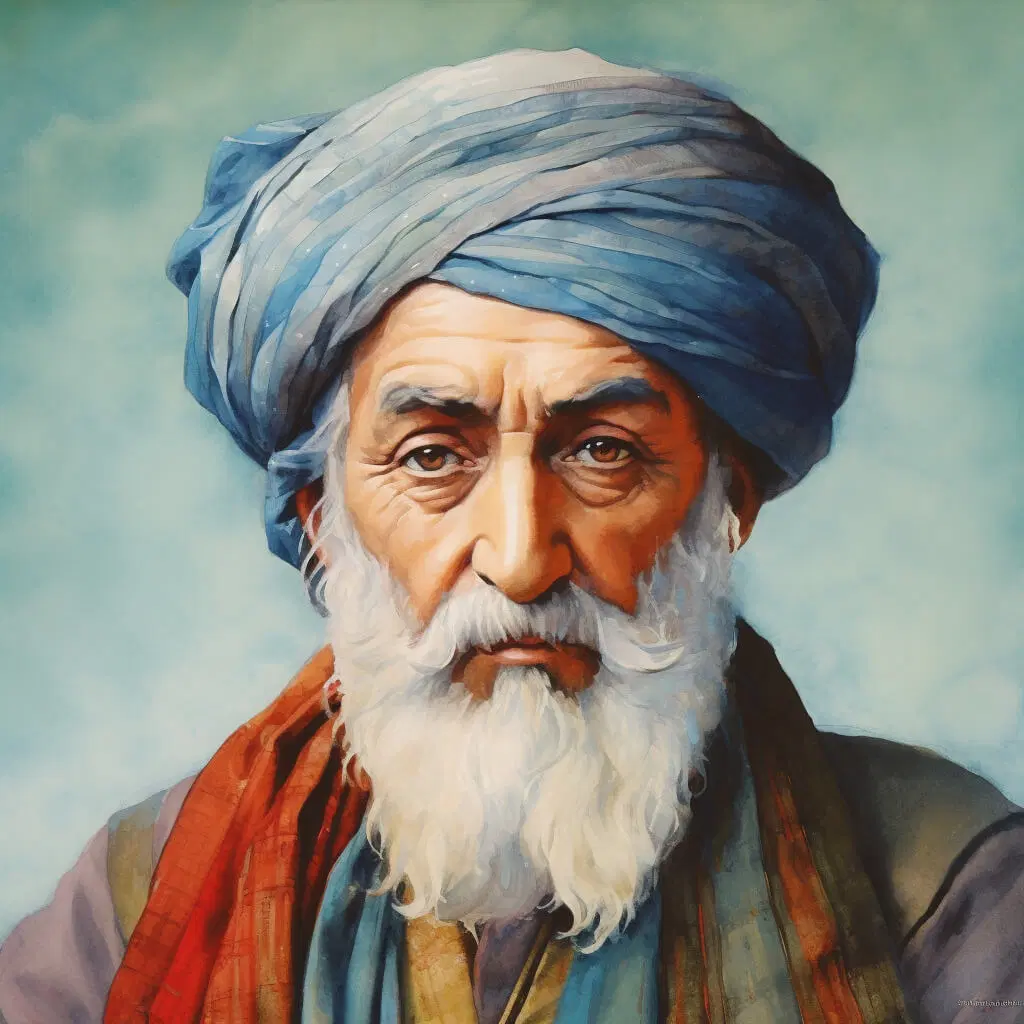
The Unity of Light: Rumi's Vision of Oneness
Rumi's profound assertion, "The lamps are different, but the Light is the same," invites us to reflect on the diversity of human experience while simultaneously recognizing the underlying unity that connects us all. This quote speaks to the essence of our existence, suggesting that while our individual identities and paths may vary, the fundamental truth of our being—the Light—remains constant. In a world often divided by differences, this perspective holds the potential to foster compassion, understanding, and a deeper sense of belonging.
At its core, Rumi's statement challenges us to look beyond the superficial distinctions that separate us, urging us to seek the common thread that binds all of humanity. This quest for unity is not merely an intellectual exercise; it is a spiritual imperative that can transform our relationships and our understanding of ourselves. By embracing the idea that we are all manifestations of the same Light, we can cultivate a sense of peace and interconnectedness that transcends the boundaries of culture, belief, and circumstance.
The image / the metaphor
The imagery in Rumi's quote is rich and evocative, presenting a vivid contrast between the "lamps" and the "Light." The lamps symbolize the myriad forms of existence—each unique, each with its own characteristics and qualities. Yet, despite their differences, they all draw from the same source of illumination. This metaphor invites us to consider how our individual lives, with their distinct experiences and expressions, contribute to a greater whole, much like the lamps that collectively shine in the darkness.
Diving deeper into the metaphor, we can see that the Light represents a universal truth or divine essence that transcends individual identities. It is a reminder that beneath the surface of our varied experiences lies a shared reality, one that connects us to each other and to the cosmos. This understanding encourages us to appreciate the beauty of diversity while recognizing that our true nature is rooted in a singular, luminous source. In this way, Rumi's words serve as a call to unity, inviting us to celebrate our differences while honoring the common Light that resides within us all.
In the speaker's tradition
Rumi's teachings are deeply embedded in the Sufi tradition, which emphasizes the pursuit of divine love and the realization of oneness with the Beloved. Concepts such as fana, or self-annihilation, resonate with the idea that the individual self must dissolve to recognize the greater unity of existence. This journey toward oneness is not merely an abstract notion; it is a lived experience that requires deep introspection and surrender to the divine. In this context, Rumi's quote serves as a reminder that our individual paths, while distinct, ultimately lead us back to the same source of Light.
In the Masnavi, Rumi often explores themes of love, unity, and the nature of the divine. His poetry reflects the Sufi belief that the ultimate goal of life is to experience the unity of all creation. This is echoed in the teachings of other spiritual traditions, such as the concept of sunyata in Buddhism, which speaks to the emptiness of individual identity and the interconnectedness of all beings. Rumi's assertion that "the Light is the same" aligns with these teachings, inviting us to transcend our limited perceptions and embrace the profound unity that underlies our existence.
Living the teaching
Consider a modern scenario where this teaching can be applied: a workplace filled with diverse individuals from various backgrounds and cultures. Each person brings their unique perspectives and skills to the table, creating a rich tapestry of ideas and experiences. By recognizing that, despite these differences, everyone is contributing to a shared goal, we can foster an environment of collaboration and mutual respect. This understanding can transform potential conflicts into opportunities for growth, as we learn to appreciate the unique "lamps" that illuminate our collective purpose.
In personal relationships, Rumi's teaching can also provide profound insights. Imagine a moment of disagreement with a loved one, where emotions run high and perspectives clash. By remembering that both individuals are expressions of the same Light, one can approach the situation with compassion and empathy. This shift in perspective allows for deeper understanding and connection, as it encourages us to see beyond our differences and recognize the shared humanity that binds us together. In daily practice, this might involve moments of reflection or meditation, where we consciously seek to connect with the Light within ourselves and others, fostering a sense of unity in our interactions.
A reflection
As we contemplate Rumi's words, we are invited to ask ourselves: How can I cultivate a deeper awareness of the Light that connects us all, even amidst the differences that may seem to divide us? This question encourages us to engage in a reflective practice, exploring the ways in which we can honor both our individuality and our shared essence. By embracing this duality, we can begin to live more fully in alignment with the truth of our interconnectedness, allowing the Light to shine through us in all its diverse forms.


Join the BrightStar Community
Stay connected with daily inspiration, event announcements, and community wisdom