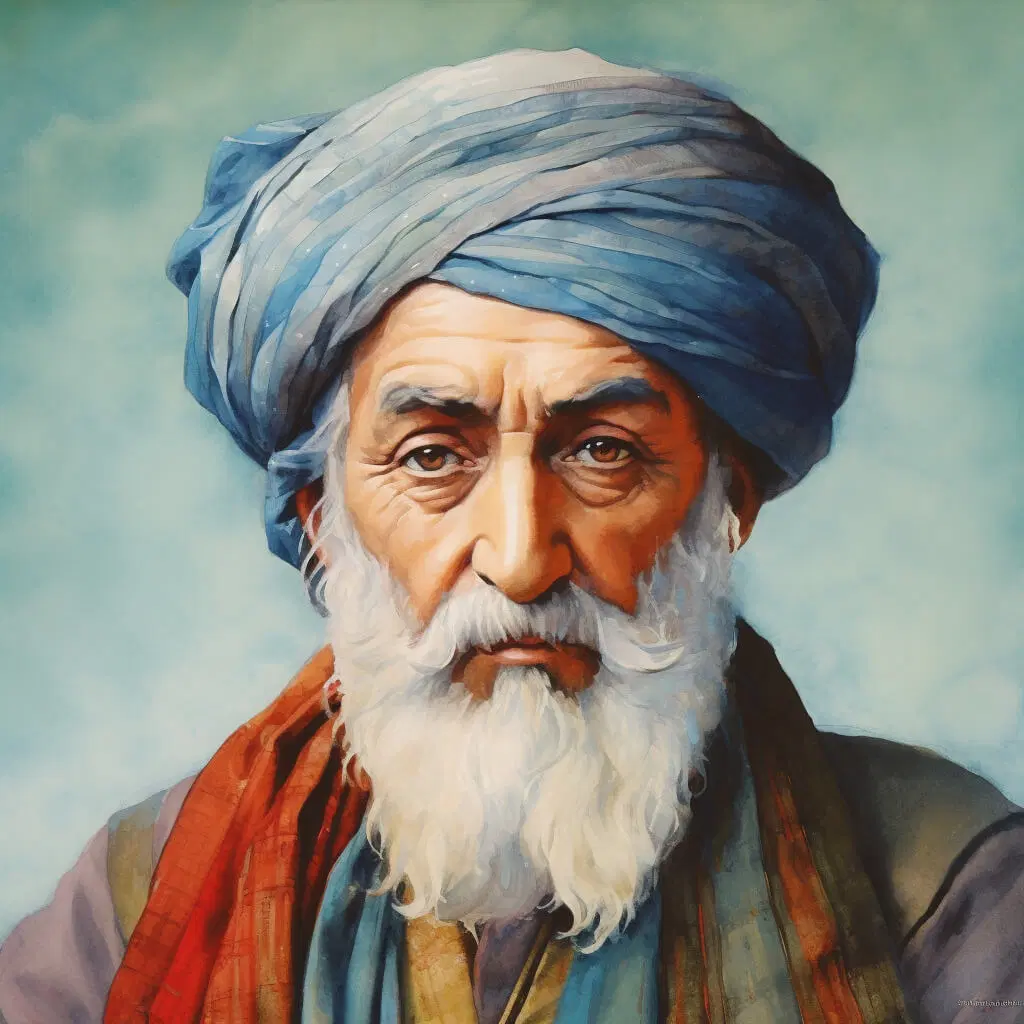
Unfolding the Myth of Your Own Existence
Rumi's exhortation to "not be satisfied with stories, how things have gone with others" invites us to embark on a journey of self-discovery and authenticity. He urges us to transcend the narratives that have been woven by others and instead to craft our own unique mythos. This call to action is not merely a suggestion; it is a profound imperative that speaks to the essence of what it means to live a meaningful life. In a world saturated with external influences and pre-packaged identities, the stakes of this endeavor are high, as it challenges us to confront our deepest fears and desires in pursuit of our true selves.
To "unfold your own myth" is to engage in a process of continuous self-exploration and revelation. It is an invitation to delve into the depths of our being, to confront the shadows that linger within, and to embrace the light that yearns to shine forth. This journey is not linear; it is a winding path filled with both trials and triumphs. Rumi's words resonate deeply in a culture that often prioritizes conformity over individuality, reminding us that our personal narratives hold the power to inspire and transform not only ourselves but also those around us.
The image / the metaphor
At first glance, Rumi's quote presents a vivid image of storytelling, contrasting the tales of others with the unfolding of one's own narrative. The verb "unfold" suggests a gradual revelation, a process that requires patience and courage. It evokes the image of a flower blooming, petal by petal, revealing its beauty to the world. This imagery speaks to the organic nature of self-discovery, emphasizing that our personal myths are not merely constructed but rather revealed through lived experience.
Diving deeper into the metaphor, we see that Rumi is not merely advocating for individualism; he is calling for a profound authenticity that transcends societal expectations. The act of unfolding one's myth implies a dynamic interplay between the self and the universe, where each person's story is interwoven with the collective tapestry of existence. In this sense, our myths are not isolated; they resonate with the myths of others, creating a rich dialogue that enriches the human experience. Rumi invites us to participate in this dialogue, to contribute our unique voice to the symphony of life.
In the speaker's tradition
Rumi's teachings are deeply rooted in Sufism, a mystical branch of Islam that emphasizes the inner dimensions of spirituality. Central to Sufi thought is the concept of *fana*, or the annihilation of the self, which allows for the emergence of a more authentic existence. This aligns with Rumi's call to unfold one's own myth, as it encourages individuals to transcend the ego and connect with a deeper sense of purpose. In this context, the journey of self-discovery is not merely personal; it is a spiritual quest that leads to union with the divine.
Moreover, Rumi's emphasis on authenticity resonates with the Sufi practice of *dhikr*, or remembrance of God, which serves to awaken the heart and align the individual with their true essence. In his poetry, Rumi often employs metaphors of love and longing to illustrate this relationship between the seeker and the divine. For instance, in his poem "The Masnavi," he writes about the soul's yearning for union with the Beloved, suggesting that the unfolding of one's myth is ultimately a journey toward divine love and understanding. This intertwining of personal and spiritual narratives underscores the richness of Rumi's message.
Living the teaching
Consider a modern scenario where an individual feels trapped in a career that does not resonate with their true passions. They may find themselves constantly comparing their journey to the success stories of others, feeling inadequate and unfulfilled. Rumi's teaching serves as a powerful reminder that satisfaction lies not in external validation but in the courage to explore one's own path. By embracing their unique gifts and interests, this individual can begin to unfold their own myth, crafting a narrative that reflects their authentic self rather than conforming to societal expectations.
In relationships, Rumi's wisdom can also illuminate the importance of authenticity. Imagine a couple navigating the complexities of their partnership, often falling into patterns of expectation and assumption. By embracing the idea of unfolding their own myths, they can engage in deeper conversations about their individual dreams and desires. This practice fosters a space for vulnerability and honesty, allowing both partners to grow not only as individuals but also as a united force. In this way, Rumi's call to authenticity becomes a transformative practice that enriches both personal and relational dynamics.
A reflection
As we contemplate Rumi's profound invitation to "unfold your own myth," we are left with a contemplative question: What stories have you inherited that no longer serve your true self, and how can you begin to rewrite your narrative? This inquiry invites us to reflect on the layers of our identity, encouraging us to peel back the influences of others and to embrace the essence of who we are meant to be. In this exploration, we may discover the courage to step into our own authenticity and to share our unique myth with the world.



Join the BrightStar Community
Stay connected with daily inspiration, event announcements, and community wisdom