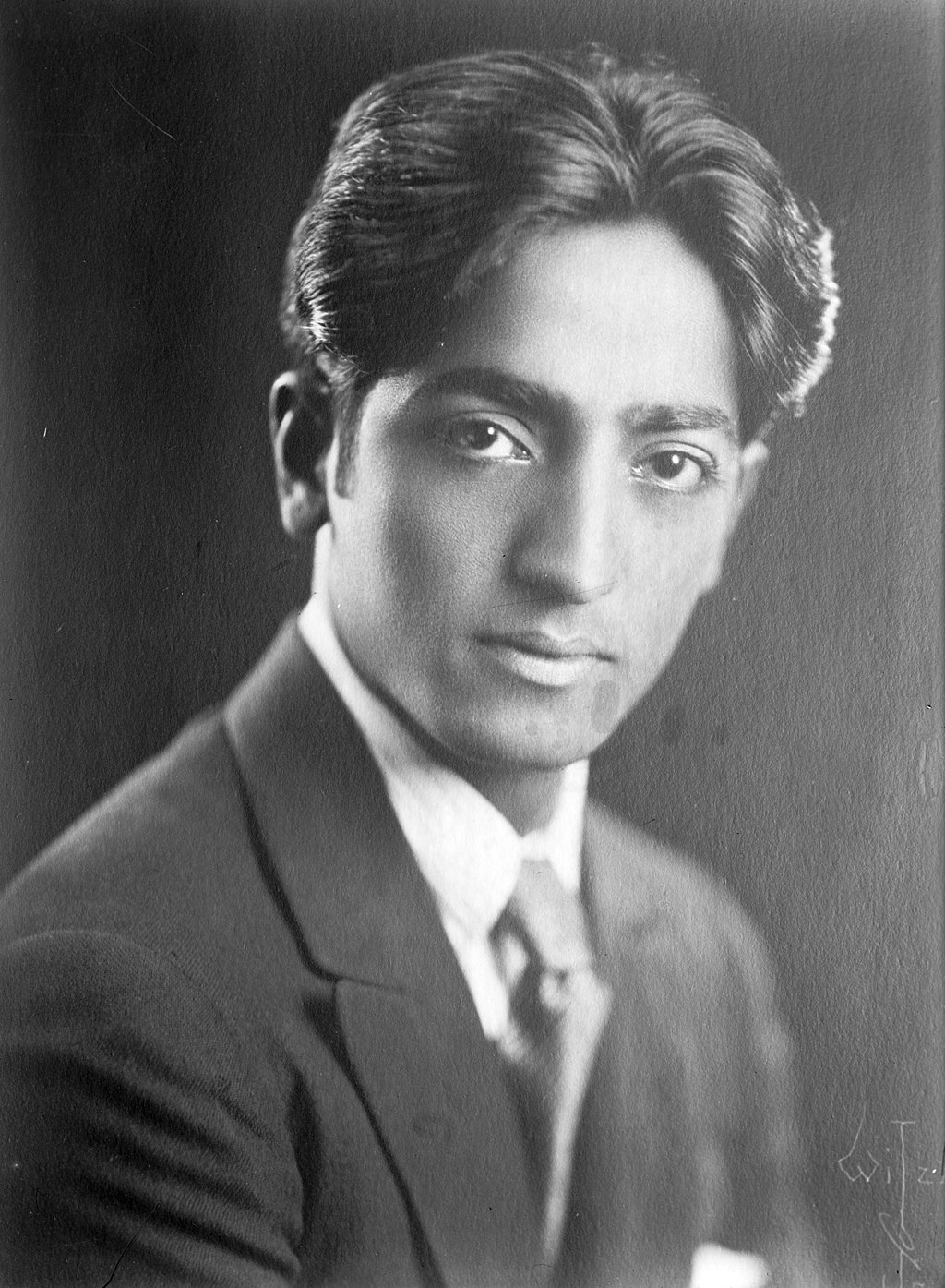
Discovering Truth Within: The Journey of Self-Inquiry
Jiddu Krishnamurti's assertion, "What is important is to find out for ourselves," invites us into a profound exploration of self-discovery and personal truth. In a world often saturated with external authority and prescribed beliefs, this quote serves as a clarion call to turn inward, urging us to seek understanding through our own experiences. The stakes are high: to navigate life authentically, we must cultivate the courage to question, investigate, and ultimately discern our own truths.
This quest for self-discovery is not merely an intellectual exercise; it is a deeply spiritual journey that requires vulnerability and openness. Krishnamurti's words resonate with the essence of non-dual philosophy, which emphasizes the interconnectedness of all existence and the importance of direct experience over second-hand knowledge. By encouraging us to find out for ourselves, he champions a path that is both liberating and daunting, as it demands that we confront our own conditioning and biases in pursuit of genuine understanding.
The image / the metaphor
The phrase "find out for ourselves" evokes a sense of active engagement, suggesting a journey rather than a destination. The verb "find" implies a search, a quest that requires effort and intention, while "ourselves" emphasizes the personal nature of this exploration. This imagery conjures the image of a seeker, perhaps wandering through a dense forest of beliefs and assumptions, seeking the clearing of clarity that lies within. It is a reminder that truth is not something to be handed down from authority figures but rather something to be unearthed through our own inquiry.
In the speaker's tradition
Krishnamurti's teachings emerge from a rich tapestry of non-dual philosophy, which emphasizes the dissolution of the self into a greater whole. Concepts such as *sunyata* (emptiness) and *prajna* (wisdom) are central to this tradition, suggesting that true understanding arises when we let go of preconceived notions and open ourselves to direct experience. In this context, finding out for ourselves becomes an act of *kenosis*, or self-emptying, where we relinquish our attachments to external validation and authority in favor of an authentic inner knowing.
In his work, Krishnamurti often draws parallels to the teachings found in various spiritual texts, such as the *Upanishads* and the *Tao Te Ching*, which also emphasize the importance of direct experience and self-inquiry. For instance, the *Upanishads* speak of *Atman* (the self) and *Brahman* (the ultimate reality), suggesting that the realization of one's true nature is a personal journey that transcends dogma. By situating his teachings within this broader tradition, Krishnamurti invites us to engage with the timeless quest for truth that has echoed through the ages.
Living the teaching
Consider a modern scenario where this teaching might resonate: a young professional grappling with career choices. Faced with societal expectations and the opinions of mentors, they may feel pressured to follow a predetermined path. However, by embracing Krishnamurti's call to "find out for ourselves," this individual can embark on a journey of self-inquiry, exploring their passions, values, and aspirations. This process may involve reflecting on their experiences, seeking feedback from trusted friends, and ultimately making choices that align with their authentic self, rather than conforming to external pressures.
In the realm of relationships, the application of this teaching can be equally profound. Imagine a couple navigating a conflict, each holding onto their perspectives and interpretations of the situation. By adopting the mindset of finding out for themselves, they can engage in open dialogue, exploring their feelings and motivations without the need for defensiveness. This willingness to investigate their own truths fosters deeper understanding and connection, allowing them to transcend the surface-level disagreements and cultivate a more meaningful bond.
A reflection
As we contemplate Krishnamurti's invitation to find out for ourselves, we are prompted to consider the ways in which we seek truth in our own lives. Are we relying on external authorities, or are we courageously engaging in our own inquiry? In this spirit, I invite you to reflect on this question: What beliefs or assumptions are you willing to challenge in your quest for deeper understanding?


Join the BrightStar Community
Stay connected with daily inspiration, event announcements, and community wisdom