Seeing Beyond the Veil of Time
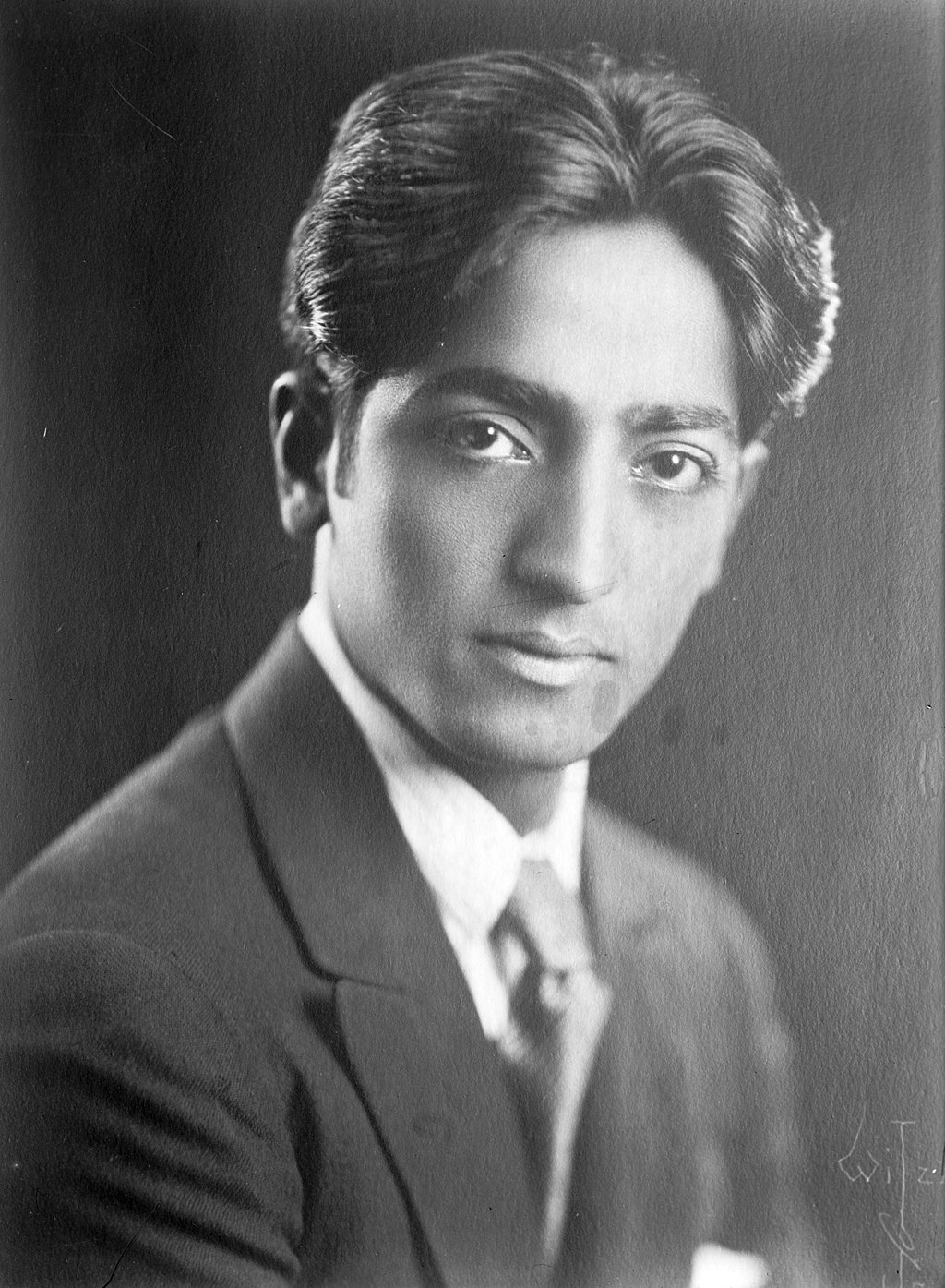
Jiddu Krishnamurti's assertion, "To be without judgment is to look without the past," invites us to consider the profound implications of perception unclouded by our histories. In a world where our experiences often dictate our responses, this quote challenges us to transcend the limitations imposed by our past judgments. The stakes are high; to embrace this perspective is to open ourselves to a more authentic engagement with the present moment, free from the biases that can distort our understanding and interactions.
Delving deeper, we find that Krishnamurti's words resonate with a call to liberation. The act of judgment is not merely a cognitive function but a habitual pattern that shapes our reality. When we allow the past to inform our perceptions, we risk missing the richness of the now. This teaching is not just philosophical; it is a practical guide to living fully and deeply, urging us to cultivate a state of awareness that is unencumbered by the weight of our previous experiences.
The image / the metaphor
At the heart of Krishnamurti's quote lies a vivid metaphorical landscape. To "look without the past" evokes an image of clear, unobstructed vision, akin to gazing upon a pristine landscape unmarred by the footprints of previous travelers. The verbs "to be" and "to look" suggest a state of being that is active yet receptive, inviting us to engage with the world in a way that is fresh and untainted. This imagery speaks to the possibility of perceiving reality as it is, rather than through the lens of our accumulated judgments and biases.
Going deeper, the metaphor extends into the realm of emotional and psychological clarity. When we release the grip of past judgments, we create space for genuine connection and understanding. This act of seeing—unfiltered by memory or expectation—allows us to experience life in its fullness, revealing the beauty and complexity of each moment. It is an invitation to embrace the present as a dynamic canvas, rather than a mere continuation of what has come before.
In the speaker's tradition
Krishnamurti's teachings emerge from a non-dualistic perspective, where the separation between self and other dissolves into a unified experience of existence. Concepts such as *sunyata* (emptiness) and *prajna* (wisdom) resonate deeply with his assertion. To be without judgment aligns with the understanding that our perceptions are often clouded by dualistic thinking—where we categorize experiences as good or bad, right or wrong. In this light, the practice of seeing without judgment becomes a path toward realizing the interconnectedness of all things.
In his dialogues, Krishnamurti often referenced the importance of direct experience over conceptual understanding. This echoes the teachings found in various spiritual traditions, where the essence of wisdom lies in the ability to perceive reality without the distortions of preconceived notions. For instance, the Buddhist notion of *dharma* emphasizes the importance of understanding the nature of reality as it is, rather than as we wish it to be. This alignment with direct experience underscores the transformative potential of Krishnamurti's teaching.
Living the teaching
Consider a modern scenario where this teaching can be applied: a workplace conflict. Imagine a team member who has consistently disagreed with your ideas. If you approach this relationship with the weight of past judgments—believing that this person is always obstructive—you may miss opportunities for collaboration and growth. By consciously choosing to "look without the past," you can engage with them anew, fostering a dialogue that transcends previous misunderstandings and opens the door to creative solutions.
In a more personal context, think about a relationship where past grievances linger like shadows. When you interact with your partner, are you seeing them as they are now, or are you projecting past hurts onto them? By practicing the art of seeing without judgment, you can cultivate a space of acceptance and understanding, allowing love to flourish unencumbered by the ghosts of previous conflicts. This practice not only enriches your relationships but also nurtures your own emotional well-being.
A reflection
As we contemplate Krishnamurti's profound insight, we are invited to ask ourselves: What judgments am I holding onto that prevent me from experiencing the present moment fully? This question serves as a gentle reminder to examine our perceptions and the narratives we construct around them. By engaging with this inquiry, we can begin to peel away the layers of judgment that obscure our vision, allowing us to embrace life with a renewed sense of clarity and openness.

Join the BrightStar Community
Stay connected with daily inspiration, event announcements, and community wisdom