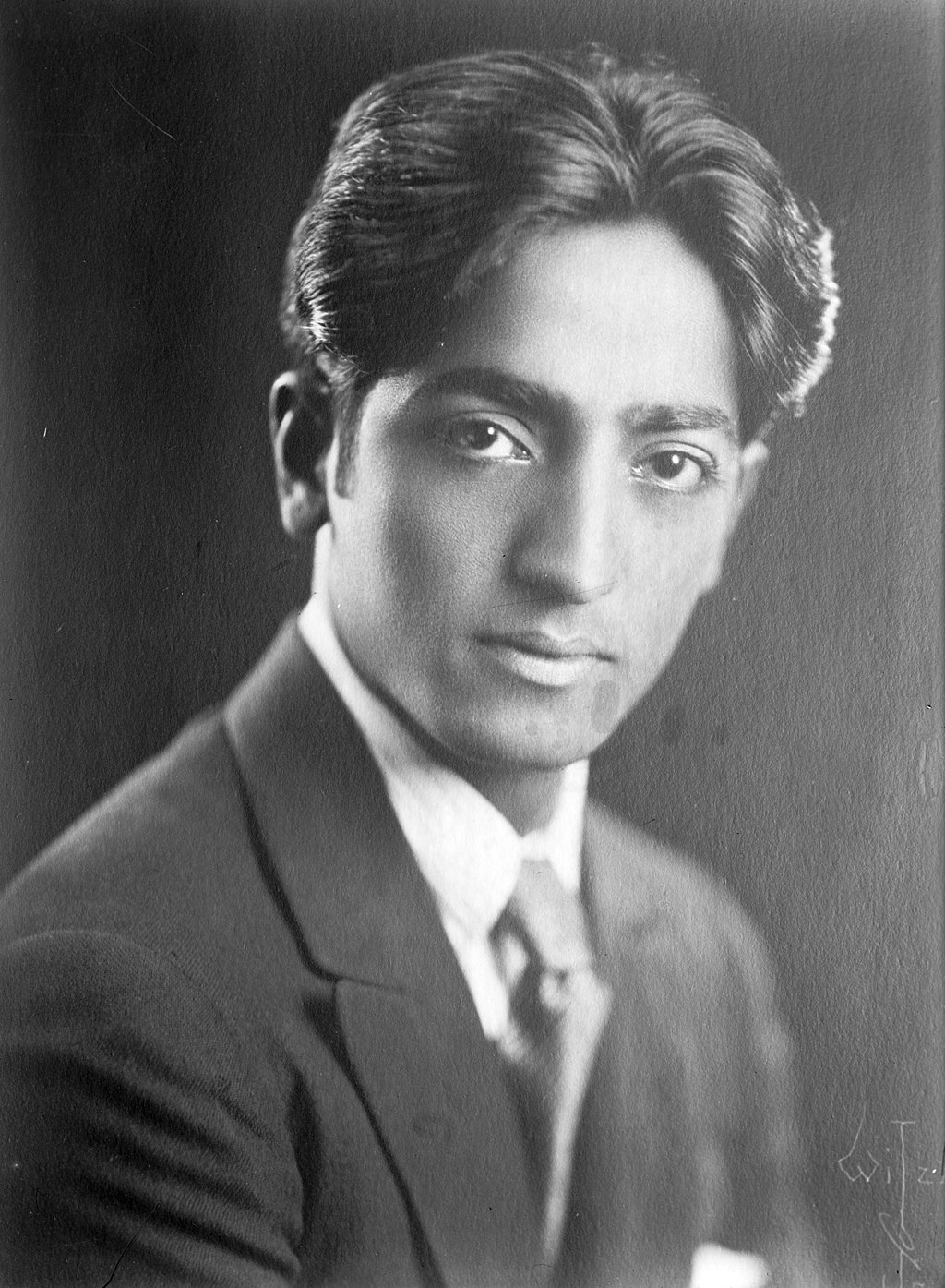
The Nature of Thought: Memory's Echo
Jiddu Krishnamurti's assertion that "thought is the response of memory, of accumulated knowledge" invites us to reflect on the intricate relationship between our mental processes and the vast reservoir of experiences that shape them. This statement underscores the idea that our thoughts are not spontaneous creations but rather echoes of our past, filtered through the lens of what we have learned and experienced. Understanding this dynamic is crucial, as it reveals how our perceptions and reactions are often conditioned by prior knowledge, potentially limiting our capacity for genuine insight and creativity.
In a world that often prioritizes immediate reactions and surface-level understanding, Krishnamurti's words challenge us to delve deeper into the nature of our thinking. By recognizing that our thoughts stem from accumulated knowledge, we can begin to discern the patterns that govern our mental landscape. This awareness not only fosters a more profound understanding of ourselves but also opens the door to a more authentic engagement with the world around us. The stakes are high; if we remain trapped in the confines of our memories, we risk missing the richness of the present moment and the potential for true transformation.
The image / the metaphor
At first glance, Krishnamurti's quote presents a straightforward image of thought as a response, suggesting a reactive process rather than an active one. The use of the word "response" implies that thought is not an independent force but rather a reaction to stimuli drawn from our memory banks. This evokes a sense of thought as a mirror reflecting our past experiences, where each thought is a ripple in the water of consciousness, shaped by the stones of accumulated knowledge that have been cast into it over time.
Delving deeper into this metaphor, we can see thought as a tapestry woven from the threads of our experiences, beliefs, and teachings. Each thread represents a piece of knowledge, a memory that contributes to the overall pattern of our thinking. This intricate weaving process highlights the complexity of our mental landscape, where thoughts are not isolated entities but interconnected strands that influence one another. The challenge lies in recognizing that while these threads form the fabric of our understanding, they can also constrain our perception, limiting our ability to see beyond the patterns we have created.
In the speaker's tradition
Krishnamurti's insights resonate deeply within the non-dual tradition, which emphasizes the interconnectedness of all things and the illusion of separateness. Concepts such as *sunyata* (emptiness) and *prajna* (wisdom) reflect the understanding that our thoughts, while rooted in memory, can obscure the true nature of reality. In this context, the accumulation of knowledge can become a barrier to direct experience, leading us to cling to preconceived notions rather than engaging with the present moment as it is. This perspective invites us to explore the nature of thought itself, questioning its validity and the extent to which it shapes our understanding of existence.
In his work, Krishnamurti often draws parallels to the teachings found in various spiritual traditions, emphasizing the need for a direct encounter with reality rather than a reliance on intellectual constructs. For instance, the Buddhist concept of *dharma* encourages practitioners to engage with the truth of their experiences rather than becoming entangled in the web of thought. This alignment with the essence of non-duality serves as a reminder that while knowledge has its place, it should not overshadow the immediacy of direct experience and awareness.
Living the teaching
Consider a modern scenario where this teaching might resonate: a heated discussion in a workplace setting. In the midst of a disagreement, individuals may find themselves reacting based on their past experiences and accumulated knowledge, leading to a cycle of defensiveness and misunderstanding. By recognizing that their thoughts are responses rooted in memory, participants can pause and reflect on the underlying motivations driving their reactions. This awareness allows for a shift in perspective, fostering a more open and constructive dialogue that transcends the limitations of past conditioning.
In a more personal context, think about a relationship where misunderstandings frequently arise. Often, partners may respond to each other based on memories of past conflicts or learned behaviors, rather than engaging with the present moment. By embracing Krishnamurti's teaching, individuals can cultivate a practice of mindfulness, allowing them to observe their thoughts without judgment. This practice encourages a deeper connection, as both partners learn to communicate from a place of awareness rather than reaction, paving the way for healing and growth.
A reflection
As we contemplate Krishnamurti's assertion that "thought is the response of memory, of accumulated knowledge," we are invited to examine the nature of our own thinking. Are our thoughts merely echoes of the past, or can we cultivate a space for fresh insights and authentic experiences? In this light, consider this contemplative question: How might your life change if you approached each moment with a sense of openness, free from the constraints of your accumulated knowledge?



Join the BrightStar Community
Stay connected with daily inspiration, event announcements, and community wisdom