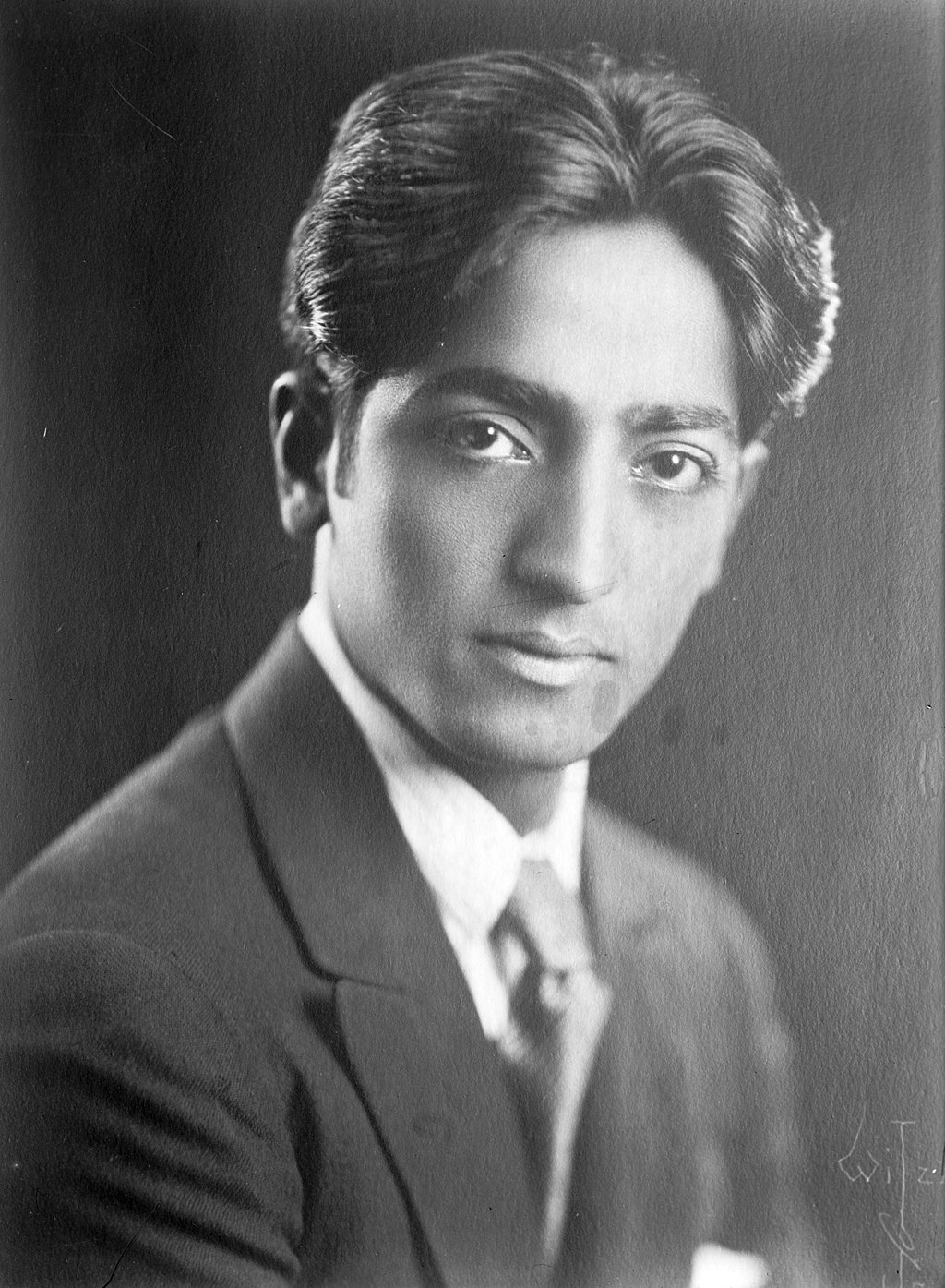
The Uncharted Terrain of Truth
Jiddu Krishnamurti's assertion that "there is no path to truth" invites us to reconsider our conventional understanding of seeking and discovering truth. In a world often defined by structured methodologies and prescribed routes, this statement challenges the very foundation of how we approach knowledge and understanding. It compels us to confront the notion that truth may not be a destination to be reached but rather an experience to be lived, unmediated by the frameworks we typically rely on.
To delve deeper, we must recognize that the idea of a "path" implies a linear journey, one that is often marked by milestones and signposts. Krishnamurti's perspective disrupts this narrative, suggesting that truth exists beyond the confines of our expectations and preconceived notions. This radical viewpoint not only liberates us from the constraints of traditional learning but also invites us into a more intimate relationship with our own consciousness, urging us to explore the depths of our being without the distractions of external validation.
The image / the metaphor
At its core, the quote evokes a powerful image of a vast landscape devoid of trails or markers, where the seeker must navigate through uncharted territory. The verbs "is" and "to" in the phrase highlight a stark reality: truth simply exists, independent of our attempts to categorize or control it. This imagery resonates with the feeling of standing at the edge of a precipice, where the familiar comforts of a defined path are replaced by the raw, unfiltered experience of existence itself.
Delving deeper into the metaphor, we can see that the absence of a path signifies a profound freedom. It suggests that truth is not a commodity to be acquired but a state of being to be realized. In this way, the journey becomes an exploration of the self, where the seeker must confront their own biases, fears, and desires. The metaphor invites us to embrace uncertainty and to cultivate a sense of openness, allowing truth to reveal itself in the spaces between our thoughts and beliefs.
In the speaker's tradition
Krishnamurti's teaching emerges from a rich tapestry of non-dual philosophy, which emphasizes the interconnectedness of all existence. Concepts such as *sunyata* (emptiness) and *fana* (annihilation of the self) resonate deeply with his assertion. In this context, the idea of a path becomes irrelevant, as the realization of truth transcends the dualistic distinctions of seeker and sought. Instead, it invites us to experience the unity of all things, where the self dissolves into the greater whole.
In his dialogues, Krishnamurti often draws parallels with the teachings of ancient sages who spoke of direct experience as the gateway to understanding. For instance, the Buddhist notion of *prajna*, or wisdom, emphasizes the importance of direct insight over intellectual knowledge. This aligns with Krishnamurti's insistence that truth cannot be found through external means but must be discovered within the depths of our own consciousness. His teachings echo the sentiments found in texts such as the *Upanishads*, where the quest for truth is portrayed as an inward journey rather than an outward search.
Living the teaching
Consider a modern scenario where an individual grapples with the complexities of personal identity in a world rife with social media and external validation. In this context, the pursuit of truth can often feel like a race to conform to societal expectations or to curate an image that aligns with popular ideals. Krishnamurti's teaching serves as a poignant reminder that the essence of truth lies not in the approval of others but in the authenticity of one's own experience. By stepping away from the pressures of external validation, one can begin to explore their true self, unencumbered by the need for acceptance.
In relationships, this teaching can manifest as a profound invitation to engage with others without the filters of preconceived notions or judgments. Imagine a moment of conflict where two individuals are entrenched in their perspectives, each believing they possess the truth. Krishnamurti's insight encourages them to abandon the notion of a singular truth and instead embrace the complexity of their shared experience. By fostering open dialogue and vulnerability, they can create a space where truth emerges organically, allowing for deeper connection and understanding.
A reflection
As we contemplate Krishnamurti's assertion that "there is no path to truth," we are invited to reflect on our own relationship with truth. Are we clinging to established beliefs and frameworks that limit our understanding? In what ways can we cultivate a more direct experience of truth in our lives? Consider these questions as you navigate your own journey, allowing the absence of a path to guide you toward a more profound realization of your authentic self.

Join the BrightStar Community
Stay connected with daily inspiration, event announcements, and community wisdom