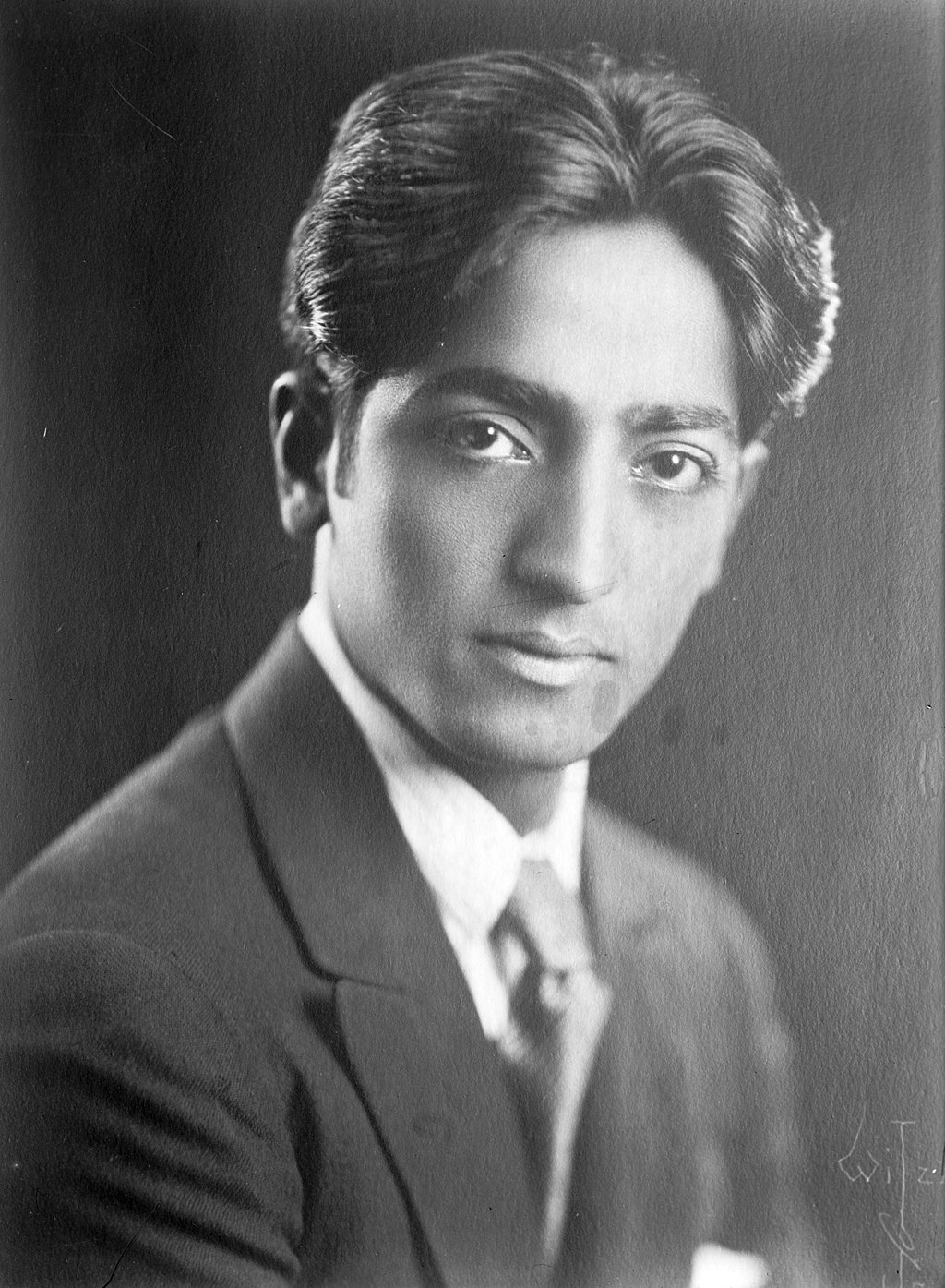
The Uncharted Terrain of Truth
Jiddu Krishnamurti's assertion that "there is no path to truth, and there are not two truths" invites us to reconsider our understanding of truth itself. In a world often characterized by competing narratives and subjective realities, this statement challenges the very foundation upon which we build our beliefs and perceptions. It compels us to confront the notion that truth is not a destination to be reached through a prescribed journey, but rather an intrinsic quality that exists beyond the confines of duality. This perspective is not merely philosophical; it has profound implications for how we navigate our lives and relationships.
By suggesting that there is no singular path to truth, Krishnamurti encourages a radical rethinking of our approach to knowledge and understanding. This perspective liberates us from the constraints of dogma and ideology, urging us to engage with truth as a dynamic and ever-present reality. It invites us to explore the depths of our own consciousness and to recognize that the search for truth is not about adherence to a set of beliefs, but rather an exploration of the self and the world around us. In this light, the quote becomes a call to awaken to the immediacy of truth, unencumbered by the illusions of separation and multiplicity.
The image / the metaphor
At its core, Krishnamurti's quote evokes a powerful imagery of a landscape devoid of paths, where the terrain of truth is wild and uncharted. The absence of a path suggests that truth cannot be mapped or navigated through conventional means; it is not a destination marked on a map, but rather a living experience that unfolds in the present moment. The verbs "is" and "are" in the quote emphasize the immediacy and existence of truth, suggesting that it is not something to be sought after but rather something to be realized in our daily lives.
Diving deeper into the metaphor, we can see that the notion of "two truths" implies a dualistic understanding of reality, one that is often rooted in conflict and division. Krishnamurti's rejection of this duality points to a more profound, non-dual understanding of existence, where truth is not fragmented into opposing sides but is experienced as a unified whole. This perspective invites us to transcend the limitations of our conditioned thinking and to embrace a more holistic view of reality, one that recognizes the interconnectedness of all things.
In the speaker's tradition
Krishnamurti's teachings resonate deeply within the non-dual tradition, which emphasizes the unity of existence and the illusory nature of separateness. Concepts such as *sunyata* (emptiness) and *fana* (annihilation of the self) echo the essence of his message, suggesting that the realization of truth requires a letting go of the ego and the dualistic mind. In this context, truth is not an external entity to be grasped but an internal realization that arises when we cease to cling to our preconceived notions and identities.
In his dialogues, Krishnamurti often referenced the importance of direct perception and awareness, akin to the Buddhist concept of *prajna*, or wisdom. This wisdom is not intellectual but experiential, arising from a deep understanding of the nature of reality. By engaging with our experiences without the filters of judgment or expectation, we can begin to glimpse the truth that lies beyond the dualities of our conditioned minds. This aligns with the teachings found in various spiritual traditions, where the path to enlightenment is often described as a journey inward, rather than outward.
Living the teaching
Consider a modern scenario where this teaching might resonate: a heated discussion about political beliefs among friends. Each person holds steadfast to their own version of truth, leading to conflict and division. By applying Krishnamurti's insight, one might step back from the argument and recognize that the truth of the situation is not confined to any single perspective. Instead of defending a position, they could engage in a dialogue that seeks to understand the underlying emotions and experiences that shape each person's viewpoint. This shift from a dualistic confrontation to a shared exploration of truth can foster deeper connections and mutual understanding.
In a more personal context, imagine navigating a difficult moment in a relationship, where misunderstandings and grievances seem to create a chasm between partners. By embracing the idea that there are not two truths, each individual can approach the situation with a willingness to listen and empathize rather than to argue their own point of view. This practice of openness allows for a deeper connection to emerge, where both parties can explore their feelings and experiences without the need for validation or defense. In this way, the teaching becomes a transformative tool for healing and reconciliation.
A reflection
As we contemplate Krishnamurti's profound statement, we are invited to reflect on our own relationship with truth. Are we clinging to our beliefs and perceptions as fixed realities, or are we open to the possibility that truth is a fluid and evolving experience? In what ways can we let go of the need for certainty and embrace the mystery of existence? Consider this contemplative question: How might your life change if you approached each moment with the understanding that truth is not a destination, but a journey of discovery?



Join the BrightStar Community
Stay connected with daily inspiration, event announcements, and community wisdom