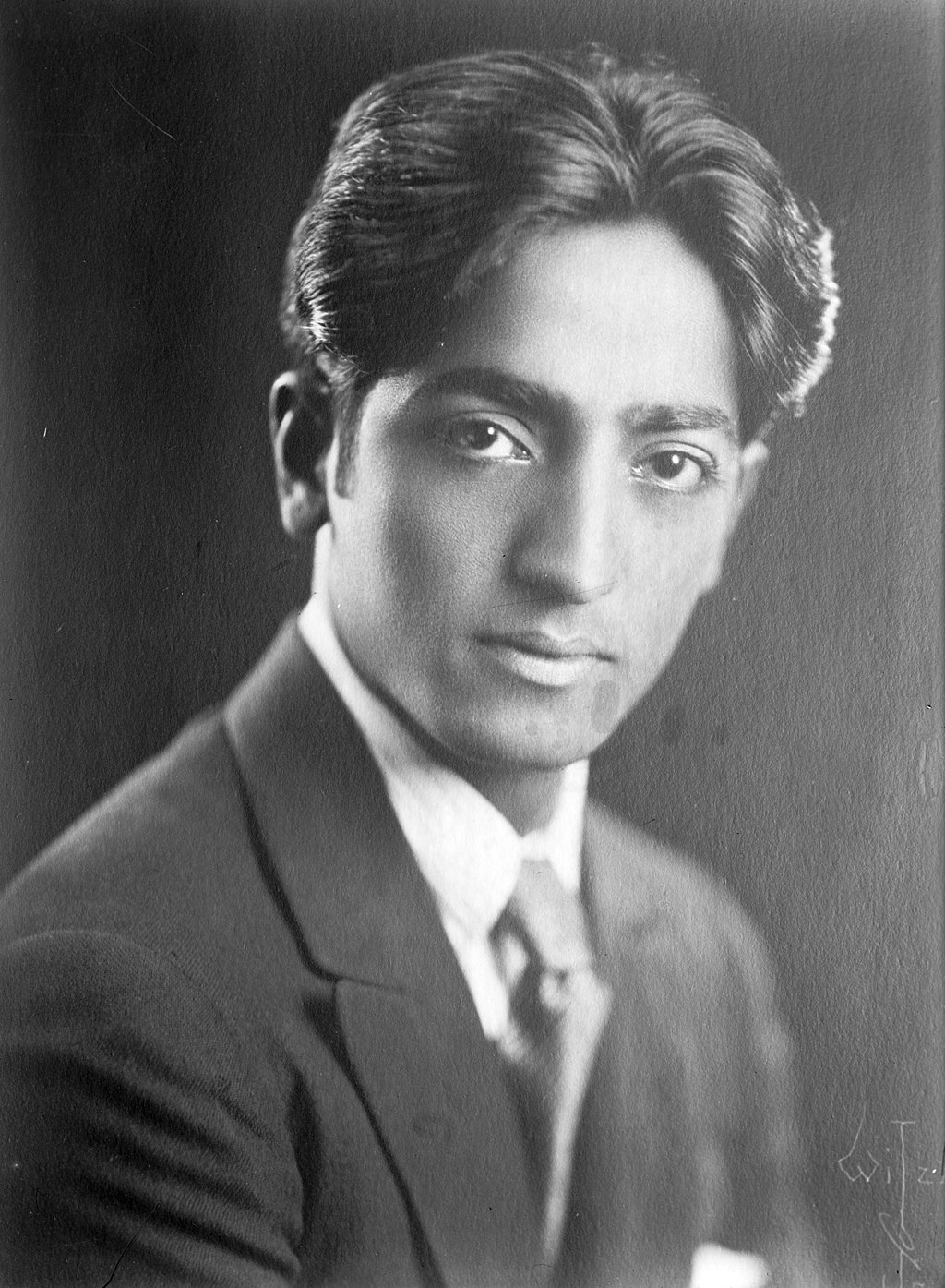
The Art of Pure Observation: A Journey into Intelligence
Jiddu Krishnamurti's assertion that "the ability to observe without evaluating is the highest form of intelligence" invites us to reconsider our understanding of intelligence itself. In a world often dominated by judgment and categorization, this perspective challenges us to cultivate a deeper awareness that transcends the superficial layers of thought. The stakes are high; in our daily lives, the capacity to observe without the interference of evaluation can lead to profound insights and a more harmonious existence.
To observe without evaluating is not merely a passive act; it is an active engagement with the world that requires a disciplined mind and an open heart. This practice encourages us to step back from our habitual responses and preconceived notions, allowing us to experience reality in its raw form. In doing so, we not only enhance our understanding of ourselves and others but also foster a sense of connection to the larger tapestry of existence.
The image / the metaphor
At its core, Krishnamurti's quote evokes a vivid image of clarity and purity in perception. The act of observing suggests a stillness, a moment of pause where the mind refrains from its incessant chatter. The choice of the word "evaluating" implies a process of judgment that often distorts our understanding, clouding our vision with biases and preconceived ideas. In contrast, pure observation is akin to a clear mirror reflecting reality as it is, untainted by personal opinions or emotional reactions.
Diving deeper into this metaphor, we can envision observation as a vast, open sky, while evaluation resembles the clouds that obscure our view. When we allow ourselves to simply observe, we embrace the fullness of experience without the need to label or categorize. This practice of observation becomes a gateway to deeper wisdom, where the essence of things can be felt rather than merely understood through the lens of intellect.
In the speaker's tradition
Krishnamurti's teachings are deeply rooted in the non-dual tradition, which emphasizes the interconnectedness of all beings and the importance of direct experience. Concepts such as "sunyata" (emptiness) and "prajna" (wisdom) resonate with the idea of observing without evaluation. In this context, the practice of observation aligns with the understanding that our perceptions are often clouded by dualistic thinking—where we separate ourselves from the world around us. By transcending this duality, we can access a more profound intelligence that is inherent in the fabric of existence.
In his work, Krishnamurti often draws parallels to the teachings found in Buddhist texts, where the notion of "right understanding" is pivotal. For instance, in the "Dhammapada," the Buddha speaks of the importance of seeing things as they truly are, free from attachment and aversion. This echoes Krishnamurti's call to observe without the interference of judgment, inviting us to cultivate a state of awareness that is both discerning and compassionate.
Living the teaching
Consider a modern scenario where this teaching can be applied: a heated discussion about a contentious issue, perhaps in a workplace or social setting. In such moments, the instinct to evaluate and judge can lead to misunderstandings and conflict. By practicing the art of observation, one can step back, listen deeply, and engage with the perspectives of others without immediately reacting. This shift not only fosters a more respectful dialogue but also opens the door to genuine understanding and connection.
In the realm of personal relationships, the ability to observe without evaluating can transform interactions. Imagine a moment of tension with a loved one, where emotions run high and judgments are quick to surface. By consciously choosing to observe the situation—acknowledging feelings without labeling them as right or wrong—one can create space for empathy and healing. This practice encourages a deeper connection, allowing both individuals to feel seen and heard in their vulnerability.
A reflection
As we contemplate Krishnamurti's profound insight, we are invited to reflect on our own habits of observation. How often do we find ourselves evaluating rather than simply observing? In what areas of our lives could we benefit from a more open and non-judgmental awareness? Allow this contemplation to guide you toward a deeper understanding of intelligence that transcends mere intellectual capacity, embracing the wisdom that arises from pure observation.

Join the BrightStar Community
Stay connected with daily inspiration, event announcements, and community wisdom