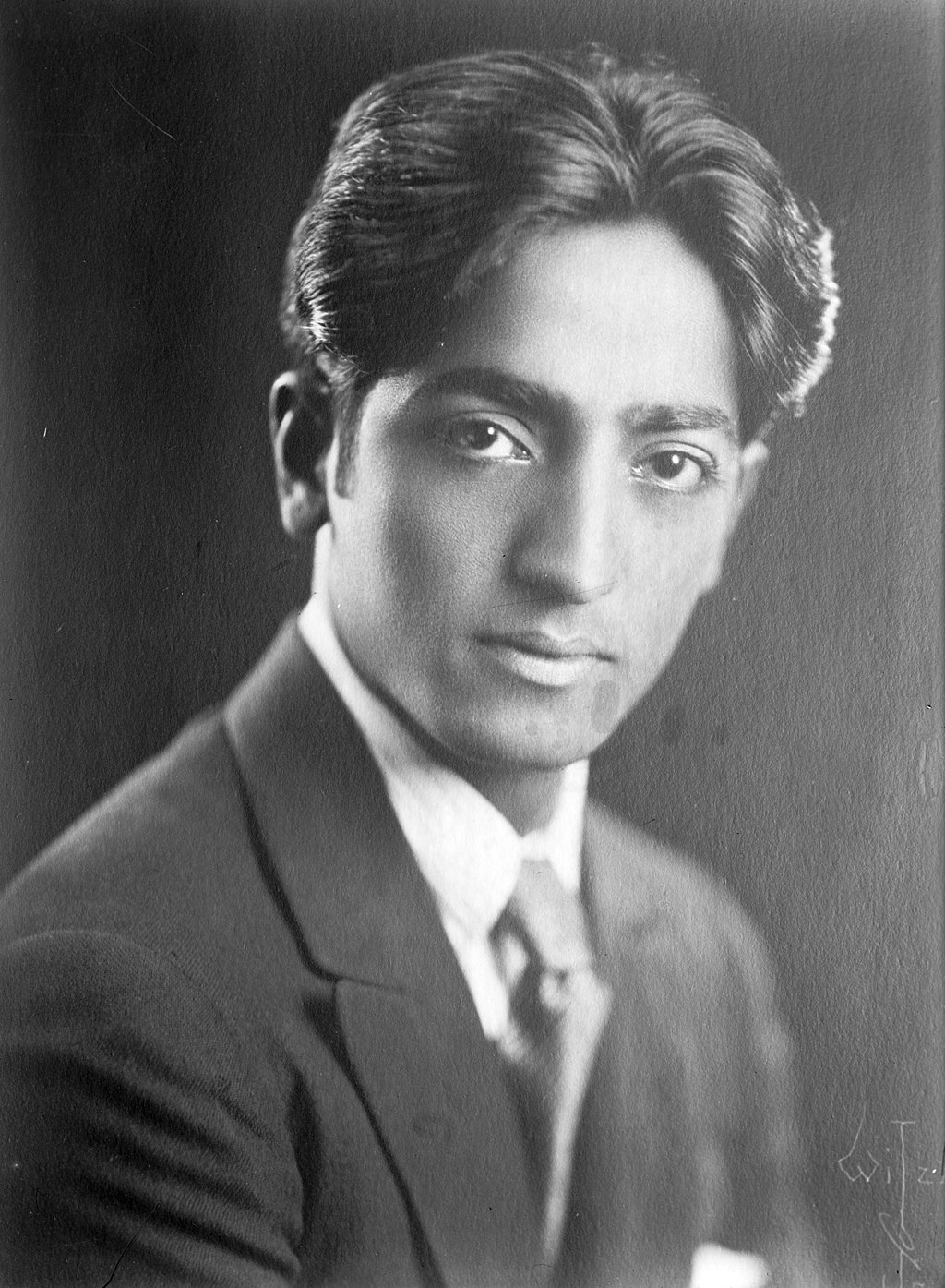
The Freedom Beyond Conditioning
Jiddu Krishnamurti's assertion that "Religion is to be free of all conditioning" invites us to reconsider the very essence of our spiritual pursuits. In a world often dominated by dogma and preconceived notions, this statement challenges us to seek a form of spirituality that transcends societal and personal conditioning. The stakes are high; our understanding of religion can either liberate us or confine us, shaping our experiences and perceptions in profound ways.
To delve deeper, we must recognize that conditioning encompasses not only the external influences of culture and tradition but also the internal narratives we construct about ourselves and the divine. Krishnamurti's call for freedom is not merely an abstract ideal; it is a practical invitation to examine the layers of belief that obscure our direct experience of reality. This exploration is essential for anyone seeking genuine connection with the sacred, as it requires us to confront the very structures that have shaped our understanding of existence.
The image / the metaphor
At its core, Krishnamurti's quote evokes a vivid image of liberation. The term "free" suggests an expansive, unbounded state, while "conditioning" implies the constraints that limit our perception and understanding. The juxtaposition of these concepts paints a picture of a spiritual journey that is both transformative and deeply personal, urging us to shed the layers of expectation and belief that weigh us down. The verbs chosen—"to be" and "free"—imply a state of existence that is not just a goal to be achieved but a way of being that is inherently available to us.
Diving deeper into the metaphor, we can envision conditioning as a dense fog that clouds our vision, obscuring the clarity of our true nature. To be free of this fog is to experience life with a fresh perspective, unencumbered by the biases and limitations that have been imposed upon us. This metaphor resonates with the idea of awakening, where one emerges from the confines of conditioned thought into a realm of pure awareness and presence. It is an invitation to experience the world anew, to engage with life in its raw, unfiltered form.
In the speaker's tradition
Krishnamurti's teachings are deeply rooted in the non-dual tradition, which emphasizes the interconnectedness of all existence and the illusion of separateness. Concepts such as *sunyata* (emptiness) and *fana* (annihilation of the self) resonate with his call for freedom from conditioning. In this context, conditioning can be seen as the false constructs that create a sense of duality, leading us to believe in a fragmented self that is separate from the universe. By transcending these constructs, we can experience the profound unity that lies at the heart of existence.
In his work, Krishnamurti often draws parallels with the teachings found in various spiritual texts, emphasizing the importance of direct experience over intellectual understanding. For instance, the Buddhist notion of *dharma* encourages practitioners to engage with the truth of their experience rather than adhere to rigid doctrines. This aligns with Krishnamurti's insistence on personal inquiry and the necessity of questioning everything we have been taught, thus paving the way for genuine insight and transformation.
Living the teaching
Consider a modern scenario where this teaching might resonate: a person grappling with the expectations of their family regarding career choices. The weight of conditioning manifests as pressure to conform to a predetermined path, leading to internal conflict and dissatisfaction. By embracing Krishnamurti's teaching, this individual can begin to disentangle their true desires from the conditioning imposed by societal norms, allowing them to pursue a path that feels authentic and fulfilling. This act of liberation is not merely about making a choice; it is about reclaiming one's agency in the face of external expectations.
In the realm of relationships, the concept of freedom from conditioning can also play a transformative role. Imagine a couple caught in a cycle of misunderstandings, each partner projecting their past experiences and beliefs onto the other. By recognizing these patterns as forms of conditioning, they can begin to engage with one another from a place of openness and curiosity, rather than judgment and expectation. This shift fosters deeper connection and understanding, allowing love to flourish in its most genuine form.
A reflection
As we contemplate Krishnamurti's profound insight, we are invited to reflect on our own lives: What beliefs or conditioning might be obscuring our perception of reality? This question serves as a powerful tool for self-inquiry, prompting us to examine the layers of thought that shape our experiences and interactions. In this exploration, we may discover the freedom that lies in shedding the weight of conditioning, opening ourselves to a more authentic and expansive understanding of our existence.



Join the BrightStar Community
Stay connected with daily inspiration, event announcements, and community wisdom