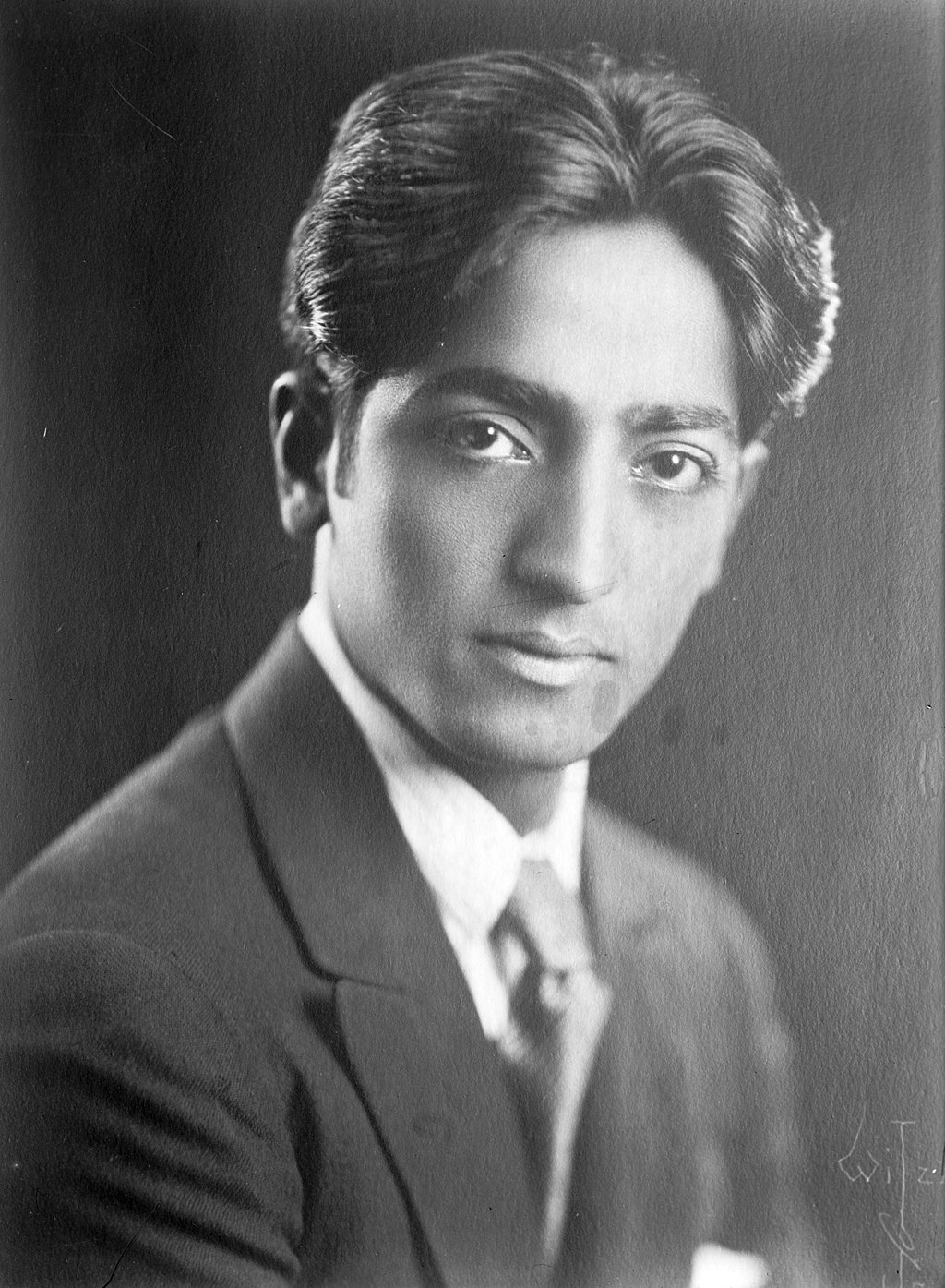
Embracing the Freshness of Each Moment
Jiddu Krishnamurti's assertion that "Living is meeting life as it is, fresh, each moment" invites us to engage with existence in a manner that transcends habitual responses and preconceived notions. This perspective emphasizes the importance of presence, urging us to encounter each moment without the weight of past experiences or future expectations. In a world often characterized by distraction and routine, this teaching serves as a profound reminder of the vitality found in the immediacy of life.
To live in this way is to cultivate a state of awareness that allows us to experience the world anew, free from the filters of our conditioning. It challenges us to let go of our attachments to how things should be, fostering a sense of openness and curiosity. This freshness is not merely a passive observation; it is an active engagement with life that invites transformation and growth. By embracing each moment as it arrives, we can discover the richness of our experiences and the depth of our connections with others.
The image / the metaphor
The imagery in Krishnamurti's quote evokes a sense of immediacy and vitality. The phrase "meeting life as it is" suggests an encounter, a dynamic interaction rather than a static observation. The word "fresh" conjures images of newness, like the first bloom of spring or the crispness of morning air. Each moment is presented as a unique opportunity, a blank canvas awaiting our engagement, rather than a continuation of a narrative already written.
Diving deeper into this metaphor, we can see that the act of "meeting" implies a relationship with life that is reciprocal and alive. It invites us to approach our experiences with a sense of wonder, as if we are seeing the world for the first time. This freshness is not just about novelty; it is about the depth of presence that allows us to fully inhabit our experiences. In this way, Krishnamurti encourages us to shed the layers of expectation and judgment that often cloud our perception, inviting us instead to engage with the essence of each moment.
In the speaker's tradition
Krishnamurti's teachings resonate deeply within the non-dual tradition, which emphasizes the interconnectedness of all existence and the illusion of separation. Concepts such as *sunyata* (emptiness) and *fana* (annihilation of the self) align with his call to meet life freshly, as they both encourage the dissolution of ego-driven perceptions. In this context, living in the present moment becomes a practice of recognizing the inherent unity of all things, allowing us to experience life without the distortions of our conditioned minds.
In his work, Krishnamurti often draws parallels with the teachings found in Eastern philosophies, particularly the idea of *dharma*, which refers to the natural order of the universe and our place within it. By aligning ourselves with this flow, we can approach each moment with a sense of purpose and clarity. His emphasis on direct experience echoes the teachings of *prajna*, or wisdom, which is cultivated through awareness and understanding rather than intellectual knowledge. This alignment with the present moment fosters a deeper connection to the world around us, allowing us to live in harmony with the unfolding of life.
Living the teaching
Consider a modern scenario where this teaching can be applied: a busy morning commute. Often, we find ourselves lost in thoughts about the day ahead, distracted by our devices, or caught in the rush of the crowd. By consciously choosing to meet this moment as it is—observing the sights, sounds, and sensations around us—we can transform a mundane experience into an opportunity for presence. This shift in awareness allows us to engage with our surroundings, fostering a sense of connection and appreciation for the life unfolding around us.
In the realm of relationships, this teaching can be particularly transformative. Imagine a conversation with a loved one where past grievances or future worries cloud the interaction. By practicing the art of meeting each other freshly, we can listen deeply and respond authentically, free from the baggage of previous encounters. This approach not only enhances our connections but also cultivates a space for vulnerability and understanding, allowing relationships to flourish in the richness of the present moment.
A reflection
As we reflect on Krishnamurti's invitation to meet life freshly, we might ask ourselves: "What prevents me from experiencing each moment as it is?" This contemplative question encourages us to explore the barriers we erect—our fears, judgments, and expectations—that inhibit our ability to engage fully with life. By examining these obstacles, we can begin to cultivate a practice of presence, allowing us to embrace the beauty and complexity of each moment as it unfolds.



Join the BrightStar Community
Stay connected with daily inspiration, event announcements, and community wisdom