The Unfettered Song of the Heart
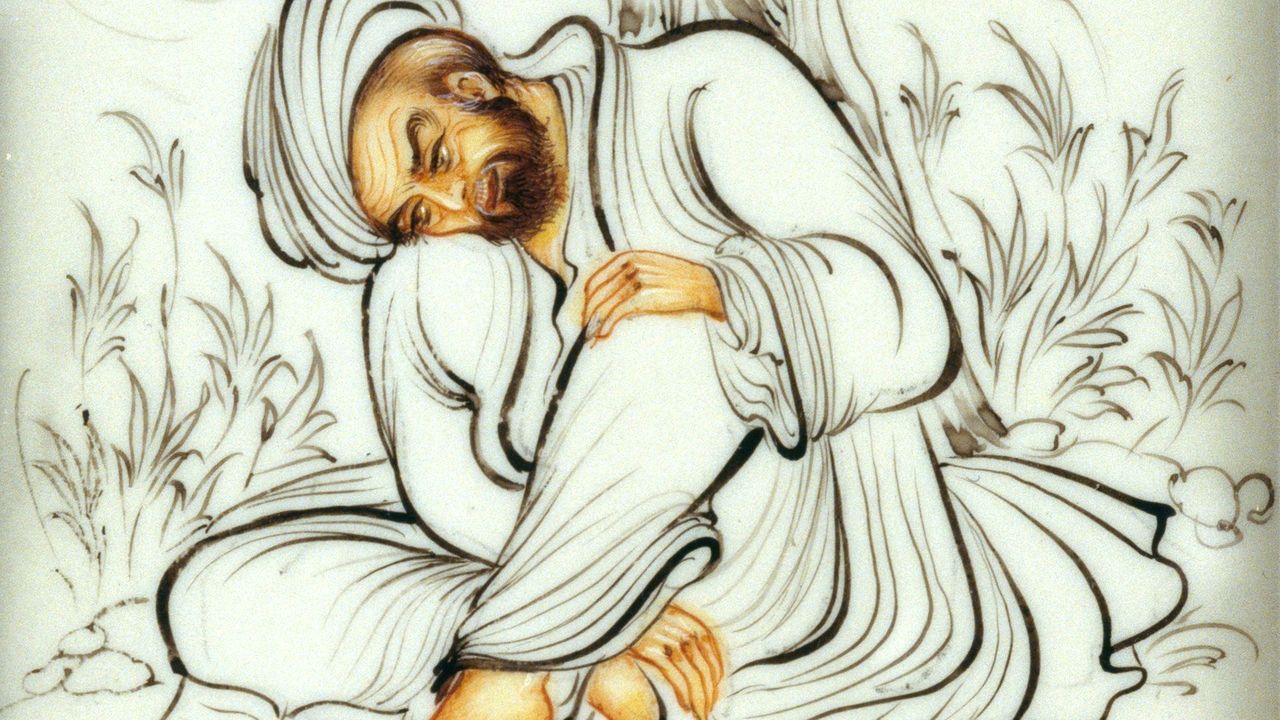
In the words of the beloved Persian poet Hafiz, "Yesterday I drank the wine of the Friend, and tomorrow my song is unbound." This evocative statement captures the essence of spiritual intoxication and the liberation that follows. It speaks to the transformative power of divine love and the freedom that arises from surrendering to this love. In a world often marked by constraints and expectations, Hafiz invites us to embrace the joy of being unbound, to let our true selves emerge through the song of our hearts.
Hafiz's metaphor of wine serves as a potent symbol of spiritual ecstasy and connection with the divine. The act of drinking from the cup of the Friend suggests an intimate relationship with the divine, one that nourishes the soul and awakens the spirit. This experience of divine intoxication not only enriches our present moment but also sets the stage for a future filled with unrestrained expression. The interplay between the past and the future in this quote emphasizes the continuity of spiritual experience, urging us to recognize how our encounters with the divine shape our unfolding journey.
The image / the metaphor
The imagery in Hafiz's quote is rich and layered. The "wine of the Friend" evokes a sense of warmth, joy, and intoxication, suggesting a deep communion with the divine. Wine, in many spiritual traditions, symbolizes ecstasy and enlightenment, a substance that can dissolve the boundaries of the self and allow for a fuller experience of existence. The verbs "drank" and "unbound" convey a sense of action and transformation, indicating that this experience is not passive but rather an active engagement with the divine that leads to liberation.
Delving deeper into the metaphor, we find that the act of drinking wine can be seen as a ritual of surrender and acceptance. It is an invitation to let go of the ego's constraints and to immerse oneself in the divine presence. The phrase "my song is unbound" suggests that this experience of divine love catalyzes a release of creativity and authenticity. It implies that when we connect with the divine, we are liberated from the shackles of societal expectations and can express our true selves freely. This unbinding is not merely a personal experience; it resonates with the collective human experience of seeking connection and meaning.
In the speaker's tradition
Hafiz's work is deeply rooted in Sufism, a mystical branch of Islam that emphasizes the inner, experiential aspects of faith. Central to Sufi thought is the concept of *fana*, or the annihilation of the self in the presence of the divine. This idea aligns beautifully with the themes in Hafiz's quote, as drinking the wine of the Friend can be seen as a step toward *fana*, where the individual self dissolves into the greater reality of divine love. The experience of being unbound echoes the Sufi pursuit of union with the Beloved, a journey marked by ecstatic love and profound surrender.
Moreover, the notion of *bhakti*, or devotion, resonates within this context. Just as the devotee surrenders to the divine, Hafiz's metaphor suggests that true freedom arises from this surrender. In the *Masnavi* of Rumi, another luminary of Sufi poetry, we find similar themes of love and liberation, where the heart's longing for the divine leads to a transformative journey. The intertwining of love and freedom in these texts illustrates a shared understanding of the spiritual path as one that is both deeply personal and universally accessible.
Living the teaching
Imagine a moment in your life when you felt overwhelmed by the demands of work, relationships, or societal expectations. In such a scenario, the teaching of Hafiz invites you to pause and reflect on the "wine of the Friend." This could manifest as a simple act of mindfulness, where you take a moment to breathe deeply and connect with your inner self, allowing the burdens of the day to dissolve. By embracing this moment of divine connection, you can experience a sense of freedom that empowers you to express your authentic self, unencumbered by external pressures.
In the context of relationships, the teaching of Hafiz can serve as a reminder to cultivate deeper connections with others. When we drink from the wine of love—whether it be through acts of kindness, open communication, or shared experiences—we create an environment where both ourselves and our loved ones can feel unbound. This practice of love and connection fosters an atmosphere of authenticity, allowing each person to express their unique song without fear of judgment. In this way, Hafiz's wisdom becomes a guiding light, encouraging us to live fully and freely in our relationships.
A reflection
As we contemplate Hafiz's words, we are invited to explore the nature of our own spiritual journeys. How can we drink from the wine of the Friend in our daily lives? What practices or moments can we cultivate that allow us to experience the unbinding of our true selves? In this reflection, we are encouraged to seek out the divine in the ordinary, to recognize the moments of connection that lead to liberation, and to embrace the song that longs to be sung within us.




Join the BrightStar Community
Stay connected with daily inspiration, event announcements, and community wisdom