The Wealth Beyond Measure
Hafiz's poignant inquiry, "What is the world's wealth to one who has tasted the Friend's cup?" invites us to reflect on the nature of true richness. In a world often preoccupied with material gain, this quote challenges us to consider the value of spiritual fulfillment over worldly possessions. The essence of this question lies in the profound experience of divine love and connection, suggesting that once one has sipped from the cup of spiritual intimacy, the allure of material wealth pales in comparison.
This contemplation resonates deeply in our contemporary lives, where the pursuit of wealth often overshadows the search for deeper meaning. Hafiz, through his words, beckons us to examine our priorities and the sources of our contentment. The "Friend" in this context symbolizes a divine presence or beloved, representing the ultimate source of joy and fulfillment. This perspective invites us to explore the transformative power of love and connection, urging us to seek the richness that lies beyond the tangible and the transient.
The image / the metaphor
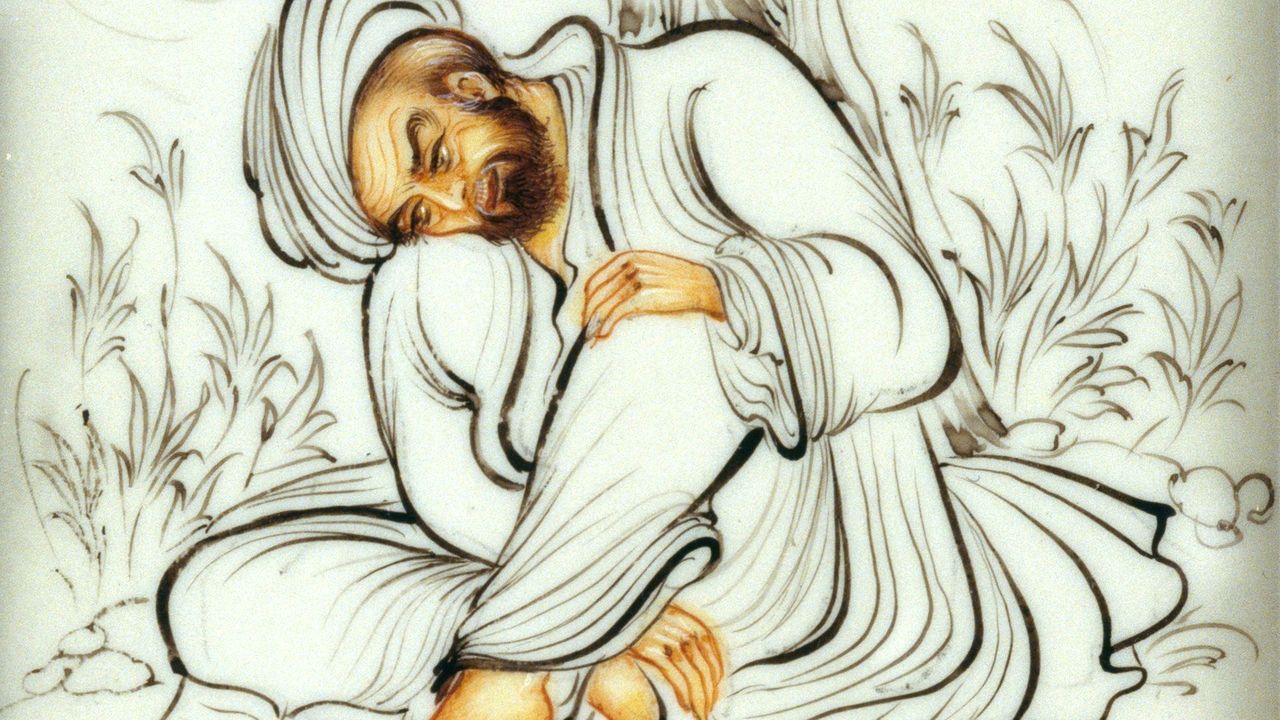
The imagery in Hafiz's quote is rich and evocative, conjuring a scene where one has partaken in a sacred drink, a "cup" that signifies spiritual awakening and communion. The choice of the word "Friend" suggests an intimate relationship, one that transcends the superficiality of social connections and material wealth. The act of tasting implies a deep, sensory experience, one that leaves an indelible mark on the soul, contrasting sharply with the fleeting satisfaction derived from worldly possessions.
In the speaker's tradition
Hafiz's wisdom is deeply rooted in Sufism, a mystical branch of Islam that emphasizes the inner, spiritual journey toward divine love. Central to Sufi thought is the concept of *fana*, or the annihilation of the self in the presence of the Divine, which aligns beautifully with the idea of tasting the Friend's cup. This experience of union with the beloved leads to a state of bliss that renders worldly attachments insignificant, echoing the sentiments found in other spiritual traditions that speak of transcending the ego for a greater truth.
In the context of Sufi poetry, Hafiz's work resonates with the teachings of Rumi, who similarly explores the themes of love and divine intoxication. Rumi's poetry often reflects the ecstatic experience of being in love with the Divine, suggesting that true wealth lies in surrendering to this love. The *Masnavi*, a seminal work by Rumi, emphasizes the transformative power of love, aligning with Hafiz's assertion that once one has experienced this divine connection, the allure of worldly wealth diminishes significantly.
Living the teaching
Consider a modern scenario where an individual is caught in the relentless pursuit of career advancement, often sacrificing personal relationships and inner peace for the sake of financial gain. In such a context, Hafiz's quote serves as a poignant reminder that true fulfillment cannot be found in material success alone. When one has tasted the richness of love, whether through friendships, family, or spiritual connections, the chase for external validation becomes less compelling. This realization can lead to a profound shift in priorities, encouraging individuals to seek deeper connections rather than mere accumulation.
In a different application, imagine a moment of conflict in a relationship where misunderstandings and grievances overshadow the love that initially brought two people together. Here, Hafiz's teaching can inspire a return to the essence of that love, urging both parties to remember the richness of their shared experiences. By focusing on the emotional and spiritual wealth that exists between them, they can navigate through difficulties with a renewed sense of purpose and connection, illustrating how the "Friend's cup" can transform even the most challenging moments into opportunities for deeper understanding and reconciliation.
A reflection
As we contemplate Hafiz's profound question, we are invited to reflect on our own lives: What does true wealth mean to us? In a world that often equates success with material accumulation, how can we shift our focus toward the richness of love, connection, and spiritual fulfillment? This contemplation encourages us to explore the depths of our relationships and the experiences that truly nourish our souls, guiding us toward a more meaningful existence.



Join the BrightStar Community
Stay connected with daily inspiration, event announcements, and community wisdom