The Illusion of Separation: Unveiling the Self
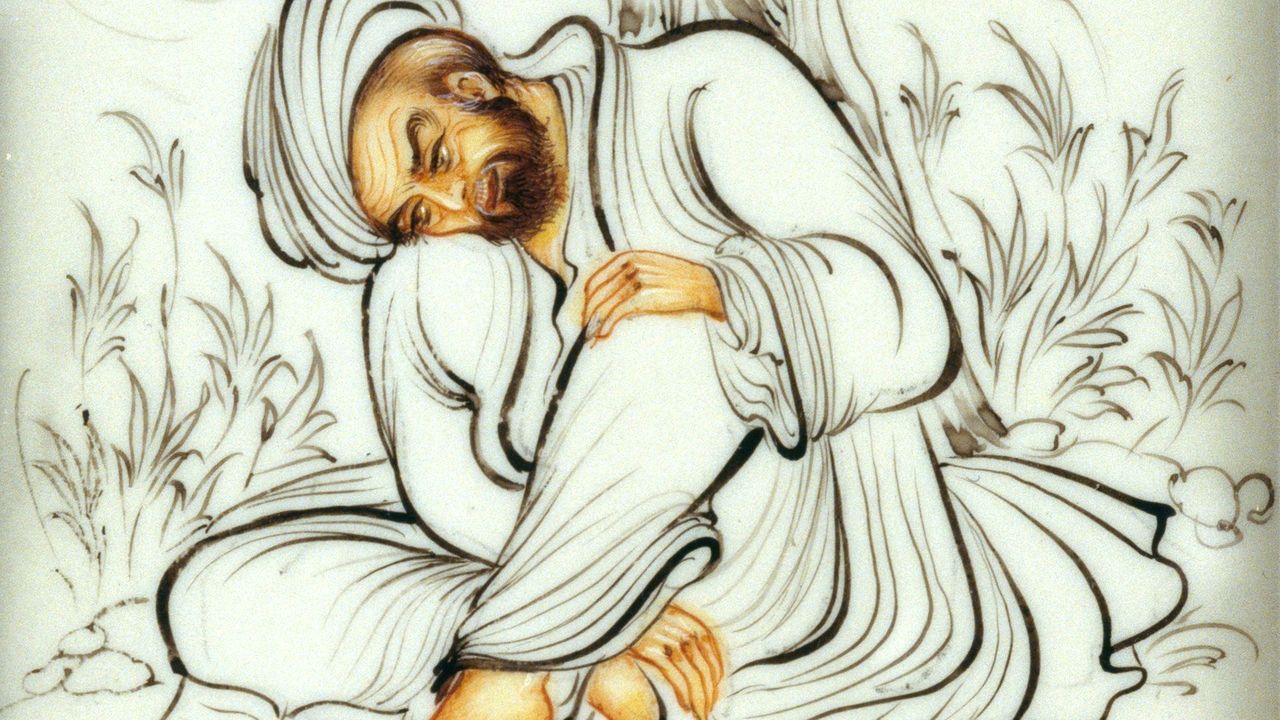
Hafiz's poignant assertion, "The veil between the lover and the Beloved is the lover's own self," invites us to reflect on the profound barriers we erect between ourselves and the divine. This quote encapsulates a central tenet of Sufi thought: that our ego, our self-concept, often obscures the direct experience of love and unity with the divine. Understanding this veil is crucial, as it holds the key to spiritual awakening and the realization of our interconnectedness with all that is sacred.
In a world that often emphasizes individuality and separation, Hafiz's words resonate deeply, urging us to look inward. The self, laden with desires, fears, and attachments, can create a chasm between us and the divine love that permeates existence. By recognizing and dismantling this veil, we open ourselves to a more profound experience of connection, not only with the Beloved but also with the essence of life itself. This journey towards unveiling the self is both a personal and universal quest, one that invites us to explore the depths of our being.
The image / the metaphor
The imagery in Hafiz's quote evokes a powerful sense of separation and longing. The "veil" symbolizes the barriers we construct through our identities, beliefs, and emotional wounds. It suggests a thin yet impenetrable layer that distorts our perception of reality, making it difficult to see the divine presence that resides within and around us. The verbs chosen—"veil," "lover," and "Beloved"—convey a dynamic relationship, one that is both intimate and fraught with tension, as the lover yearns to connect yet remains hindered by their own self-imposed limitations.
Diving deeper into the metaphor, we can understand the veil as not merely a physical barrier but as a psychological and spiritual one. It represents the ego's tendency to cling to its narratives, fears, and desires, which ultimately obstruct the flow of divine love. In this light, the lover's journey becomes one of self-discovery and surrender, where the act of peeling away the layers of the self leads to a more profound union with the Beloved. This metaphor invites us to consider how our own identities may be both a source of connection and a hindrance to experiencing the fullness of love.
In the speaker's tradition
Hafiz, a luminary of Sufi poetry, draws upon a rich tradition that emphasizes the dissolution of the self in the pursuit of divine love. Concepts such as *fana*, or the annihilation of the ego, resonate deeply within this framework. The Sufi path often involves a journey towards selflessness, where the lover seeks to transcend their individual identity to merge with the Beloved, reflecting the essence of divine love. This journey is not merely about losing oneself but about discovering the deeper truth of one's existence as part of a greater whole.
In the context of Sufi literature, Hafiz's insights can be paralleled with the teachings of Rumi, who speaks of the heart's longing for union with the divine. Rumi's poetry often emphasizes the idea that the heart must be emptied of its attachments to truly experience love. In his work, the notion of *shams*, or the radiant sun, symbolizes the divine presence that illuminates the path towards unity. Both poets invite us to recognize that the barriers we perceive are often self-created, and through love and surrender, we can unveil the truth of our being.
Living the teaching
Consider a modern scenario where this teaching might resonate: a person grappling with feelings of isolation in a bustling city. Despite being surrounded by people, they feel disconnected, as if a veil separates them from genuine connection. By reflecting on Hafiz's words, they may begin to recognize that their own self-doubt and fear of vulnerability create this barrier. In acknowledging and working through these feelings, they can open themselves to authentic relationships, allowing love to flow freely into their life.
In a different context, imagine a couple facing a challenging moment in their relationship. Each partner may feel misunderstood, their egos clashing and creating distance. By embracing Hafiz's teaching, they can recognize that their individual perceptions and defenses are the veils obstructing their connection. Through open communication and a willingness to see beyond their own perspectives, they can dismantle these barriers, fostering a deeper understanding and intimacy that transcends their initial conflicts.
A reflection
As we contemplate Hafiz's profound insight, we are invited to ask ourselves: What veils do I create that separate me from experiencing love and connection? This question encourages a deep introspection, prompting us to explore the aspects of our identity that may hinder our relationships with others and the divine. In this inquiry lies the potential for transformation, as we begin to peel away the layers of self that obscure the radiant love that is our true nature.



Join the BrightStar Community
Stay connected with daily inspiration, event announcements, and community wisdom