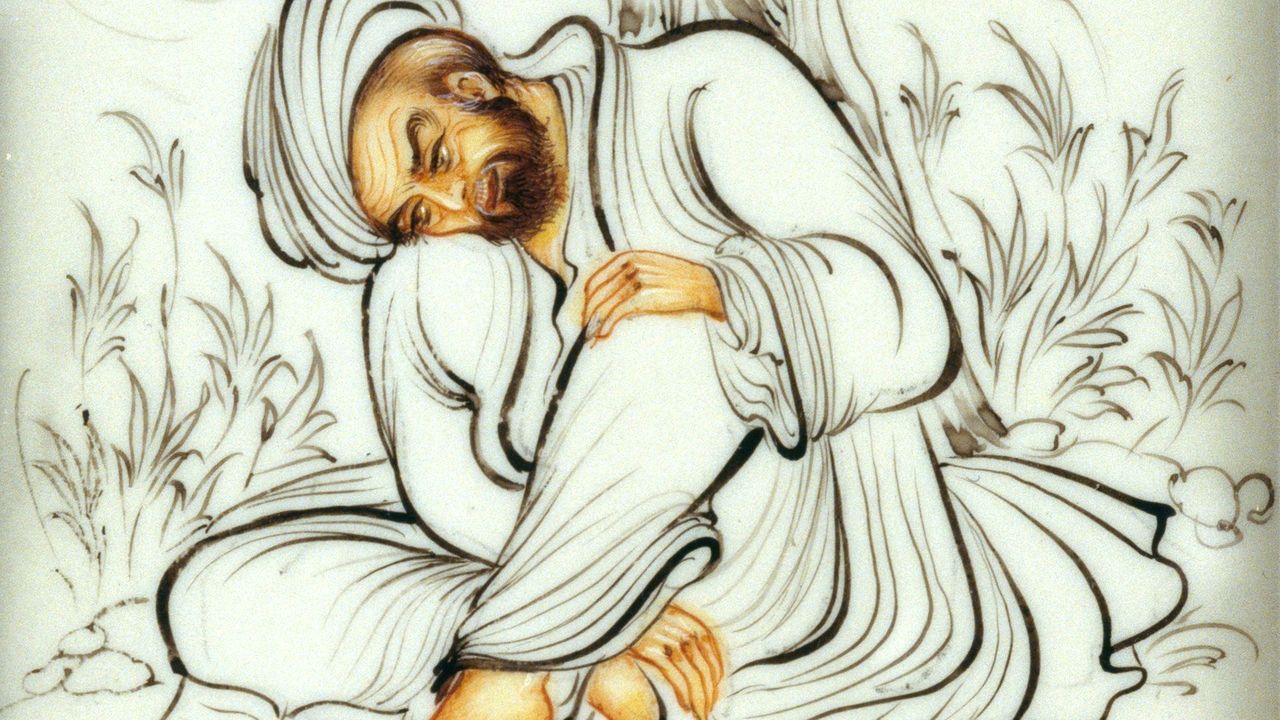
The Threshold of Transformation: A Journey Within
Hafiz invites us to contemplate the profound act of embarking on a journey, suggesting that the true pilgrimage begins at the very threshold of our own homes. This quote, "The pilgrim sets out from the threshold of his own house," serves as a reminder that the most significant journeys are not merely physical but deeply spiritual and introspective. In a world that often emphasizes external achievements and destinations, Hafiz beckons us to recognize that the essence of our journey lies within ourselves, urging us to explore the inner landscapes that shape our existence.
As we delve deeper into this notion, we uncover layers of meaning that resonate with the human experience. The threshold symbolizes a point of transition, a liminal space where the familiar meets the unknown. It is here that we confront our fears, aspirations, and the call to adventure that lies dormant within us. By stepping beyond this threshold, we not only embark on a physical journey but also initiate a transformative process that invites us to engage with our true selves, ultimately leading to a deeper understanding of our place in the universe.
The image / the metaphor
The imagery of a pilgrim setting out from the threshold evokes a sense of anticipation and courage. The verb "sets out" implies an active choice, a deliberate decision to leave behind the comfort of home and venture into the unknown. This act of departure is laden with emotion; it speaks to the courage required to embrace change and the uncertainty that accompanies any journey. The threshold itself is a powerful symbol, representing both a boundary and an invitation—a space where the familiar comforts of home meet the vast possibilities of the world beyond.
Diving deeper into the metaphor, we recognize that the journey is not merely about the physical act of traveling but about the inner exploration that accompanies it. The pilgrim's journey reflects the spiritual quest for self-discovery and enlightenment. Each step taken beyond the threshold signifies a movement away from the constraints of the ego and toward a more expansive understanding of existence. In this light, the threshold becomes a sacred space, a point of departure that invites us to confront our limitations and embrace the transformative power of the journey ahead.
In the speaker's tradition
Hafiz's wisdom is deeply rooted in the Sufi tradition, which emphasizes the importance of inner transformation and the pursuit of divine love. Concepts such as *fana*, or the annihilation of the self, resonate profoundly with the idea of setting out from one's threshold. In Sufism, the journey is often seen as a path toward unity with the Divine, where the seeker must first confront their own limitations and attachments before experiencing true liberation. This journey inward is akin to the Buddhist concept of *sunyata*, or emptiness, which invites individuals to let go of preconceived notions and embrace the vastness of existence.
Moreover, Hafiz's poetry often reflects the themes of love and devotion found in the *Divan*, where the beloved symbolizes the ultimate truth and the destination of the pilgrim's journey. The act of setting out from the threshold can be likened to the *bhakti* path in Hinduism, where devotion and surrender lead the seeker toward a deeper connection with the divine. In both traditions, the journey is not merely about reaching a destination but about the transformative experiences that unfold along the way, shaping the seeker into a vessel of love and wisdom.
Living the teaching
Consider a modern scenario where this teaching resonates: a person feeling unfulfilled in their career decides to leave a stable job to pursue a passion for art. This decision, while daunting, reflects the essence of Hafiz's quote. By stepping beyond the threshold of their comfort zone, they embark on a journey of self-discovery, exploring their creativity and confronting the fears that have held them back. This act of courage not only transforms their professional life but also deepens their understanding of who they are and what they truly desire.
In a different context, imagine a relationship that has grown stagnant. One partner may feel the need to initiate difficult conversations about their feelings and aspirations, stepping beyond the threshold of complacency. This act of vulnerability can lead to a profound transformation in the relationship, fostering deeper intimacy and understanding. By embracing the discomfort of honest communication, both partners embark on a journey toward greater connection and authenticity, illustrating how the teachings of Hafiz can manifest in our daily lives.
A reflection
As we reflect on Hafiz's poignant words, we are invited to consider our own thresholds. What aspects of our lives are we hesitant to leave behind, and what journeys await us on the other side? In what ways can we embrace the unknown and trust in the transformative power of our own pilgrimages? Let this contemplation guide you as you navigate your own path, encouraging you to step boldly into the journey that lies ahead.




Join the BrightStar Community
Stay connected with daily inspiration, event announcements, and community wisdom