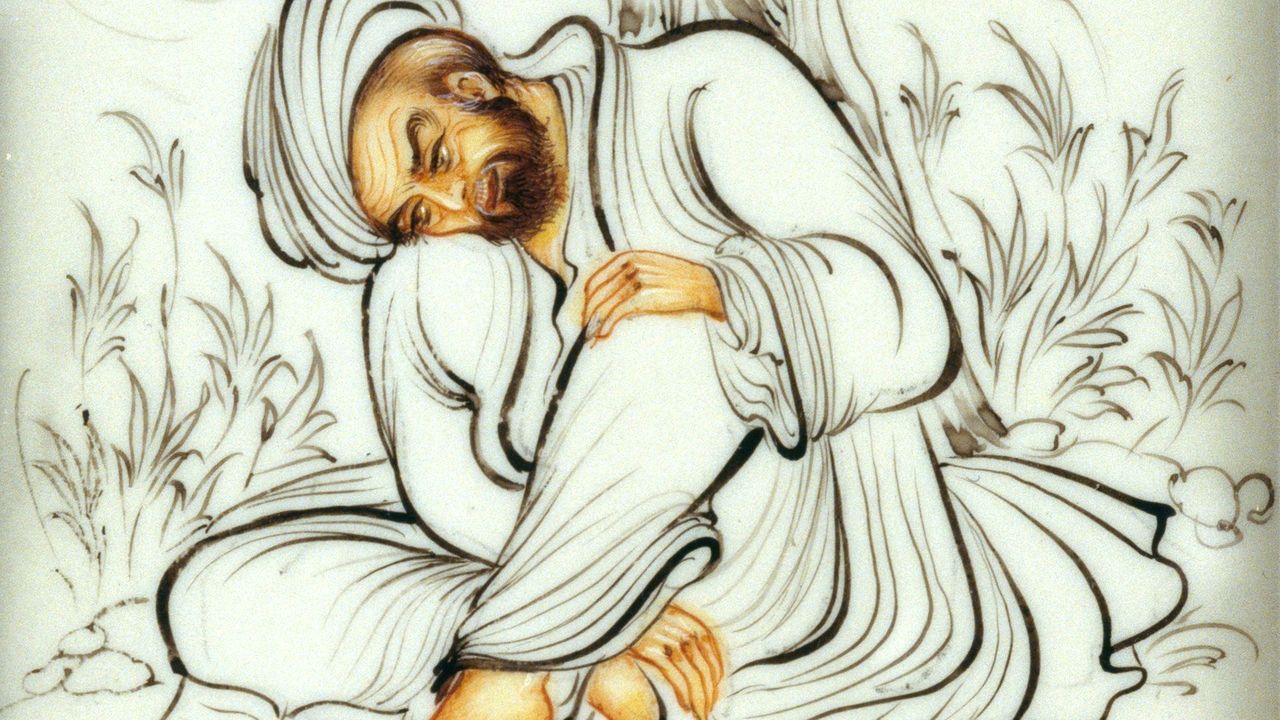
The Whisper of the Divine: Embracing the Morning Wind
Hafiz, the beloved Persian poet, invites us to perceive the morning wind as a messenger from the Divine, a "courier from the Friend." This evocative imagery suggests that nature itself carries messages of love and connection, urging us to awaken to the presence of the sacred in our daily lives. The significance of this quote lies in its ability to remind us that the universe is alive with communication, and that we are invited to engage with it in a meaningful way.
In a world often filled with noise and distraction, Hafiz's words serve as a gentle nudge to cultivate awareness and presence. The morning wind, with its refreshing touch, symbolizes the potential for renewal and inspiration that each day brings. By recognizing the wind as a messenger, we are encouraged to open our hearts and minds to the subtle guidance that surrounds us, fostering a deeper connection with ourselves, others, and the Divine.
The image / the metaphor
The imagery of the "morning wind" conjures a sense of freshness and vitality, evoking the early hours when the world is still waking up. The choice of the word "courier" suggests a purposeful delivery, as if the wind carries important news or insights from a beloved friend. This personification of the wind transforms it from a mere natural phenomenon into a sacred messenger, inviting us to listen and receive its wisdom.
Diving deeper into the metaphor, we can see that the wind represents more than just a physical force; it embodies the unseen currents of love and connection that flow between us and the Divine. The "Friend" in Hafiz's quote can be interpreted as the Beloved, a term often used in Sufi poetry to denote God or the ultimate source of love. Thus, the morning wind becomes a bridge between the earthly and the divine, reminding us that we are never alone in our journey.
In the speaker's tradition
Hafiz's work is deeply rooted in the Sufi tradition, which emphasizes the importance of love, unity, and the quest for divine connection. Concepts such as "fana," or the annihilation of the self in the presence of the Divine, resonate with the idea of surrendering to the messages carried by the wind. In Sufism, the relationship with the Divine is often characterized by a sense of intimacy and friendship, where the seeker is invited to experience a profound connection with the Beloved.
In the context of Sufi literature, Hafiz's metaphor can be likened to the teachings found in Rumi's poetry, where the natural world is often depicted as a reflection of divine love. For instance, Rumi speaks of the "friend" as a guiding force, urging us to recognize the beauty and wisdom present in every moment. This interconnectedness between the seeker and the Divine is a central theme in Sufi thought, encouraging us to embrace the messages that life offers.
Living the teaching
Consider a modern scenario where this teaching resonates: waking up to a new day filled with uncertainty and challenges. As you step outside, the morning wind brushes against your skin, carrying with it the promise of renewal. In this moment, you can choose to pause, breathe deeply, and acknowledge the wind as a messenger, reminding you that you are supported and loved. This simple act of awareness can transform your perspective, allowing you to approach the day with a sense of openness and possibility.
In the context of relationships, the idea of the wind as a messenger can also be applied. Imagine a difficult conversation with a loved one, where misunderstandings have created distance. By inviting the essence of the morning wind into this interaction, you can approach the dialogue with a spirit of compassion and receptivity. Allowing the "courier" to guide your words and intentions can foster healing and connection, reminding both parties of the underlying love that binds them together.
A reflection
As we contemplate Hafiz's words, we are invited to consider: How can we become more attuned to the messages that life offers us each day? In what ways can we cultivate a deeper awareness of the divine presence in our surroundings? By engaging with these questions, we open ourselves to the possibility of transformation and connection, allowing the morning wind to guide us on our spiritual journey.




Join the BrightStar Community
Stay connected with daily inspiration, event announcements, and community wisdom