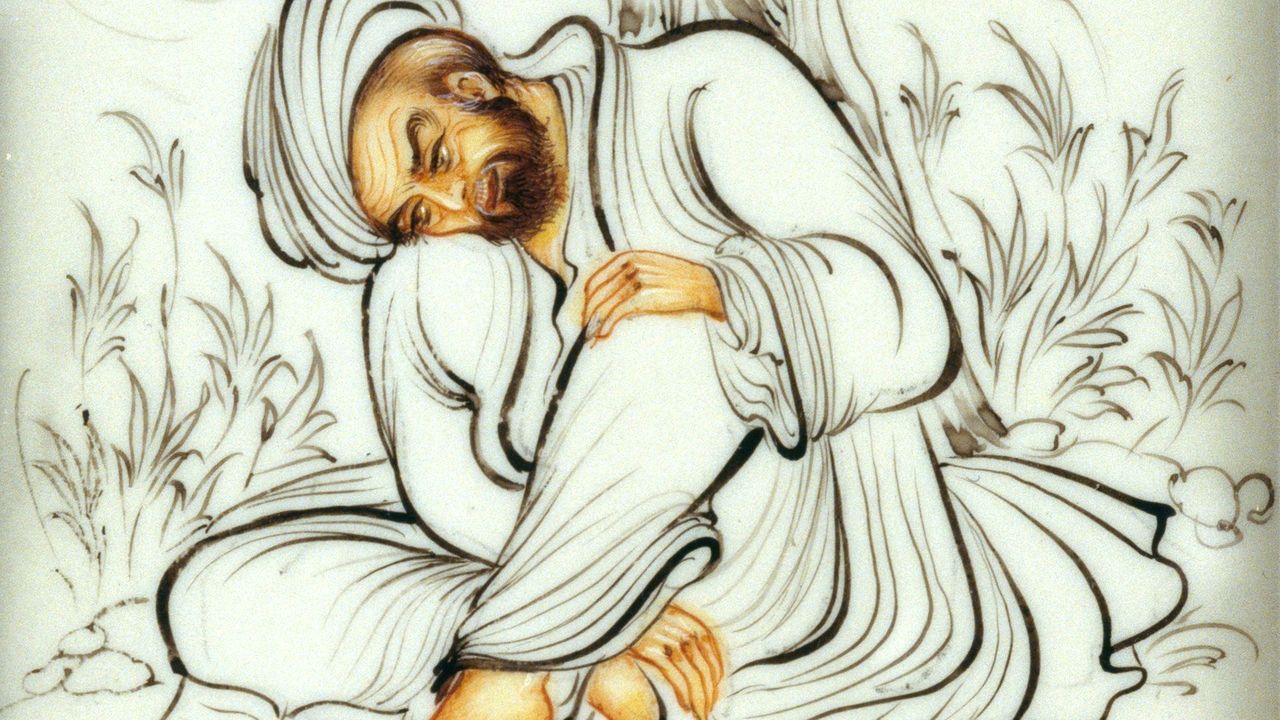
The Wound and the Song: Embracing Love's Duality
Hafiz's poignant assertion, "The lover bears the wound and the song together," invites us to explore the intricate relationship between love and suffering. In this simple yet profound statement, he encapsulates the dual nature of love, suggesting that to truly embrace love is to accept both its joys and its pains. This duality is not merely a poetic flourish; it speaks to the heart of human experience, where love often coexists with vulnerability and sorrow. Understanding this relationship is essential for anyone seeking a deeper, more authentic connection with themselves and others.
As we delve into this quote, we find that it resonates with the complexities of our emotional lives. Love, in its purest form, is not a singular experience but a tapestry woven from threads of joy, longing, and sometimes heartache. The "wound" signifies the inevitable pain that accompanies love, while the "song" represents the beauty and ecstasy that love can bring. This interplay between suffering and joy is a universal theme, one that transcends cultures and epochs, urging us to embrace the fullness of our emotional landscape.
The image / the metaphor
At first glance, the imagery in Hafiz's quote is strikingly vivid. The "lover" evokes a sense of intimacy and connection, while the "wound" and "song" introduce a stark contrast between pain and beauty. The verbs "bears" and "together" suggest a profound resilience, indicating that the lover does not shy away from the complexities of love but rather embraces them fully. This imagery invites us to visualize love as a living entity, one that encompasses both the light and the shadow, the joy and the sorrow.
Diving deeper into the metaphor, we can see that the "wound" is not merely a mark of suffering but also a source of wisdom and growth. It is through our wounds that we often learn the most about ourselves and our capacity to love. The "song," on the other hand, symbolizes the celebration of love's beauty, a melody that resonates within us even amidst our struggles. Together, these elements create a rich tapestry that reflects the multifaceted nature of love, urging us to recognize that both the wound and the song are integral to the experience of being alive.
In the speaker's tradition
Hafiz, a luminary of Sufi poetry, invites us to explore the depths of love through the lens of mystical experience. In Sufism, love is often seen as a path to divine union, where the lover seeks to transcend the self and merge with the beloved. This notion of "fana," or annihilation of the self, resonates with Hafiz's message, suggesting that to truly love is to embrace both the ecstasy and the agony of existence. The duality of the wound and the song reflects the Sufi understanding of love as a transformative force, one that leads us toward greater awareness and connection.
Moreover, the concept of "kenosis," or self-emptying, aligns beautifully with Hafiz's insight. In surrendering to love, we allow ourselves to be vulnerable, to experience the wounds that come with deep emotional engagement. This surrender is not a sign of weakness but rather an act of profound strength, as it opens us to the fullness of life. The teachings of Rumi, another Sufi master, echo this sentiment, as he often speaks of love as a journey that encompasses both suffering and joy, urging us to embrace the entirety of our experience.
Living the teaching
Consider a modern scenario where this teaching resonates: a close friend experiences heartbreak after a painful breakup. In their sorrow, they may feel tempted to retreat from love altogether, fearing the wounds that come with it. Yet, Hafiz's wisdom reminds us that within this pain lies the potential for growth and deeper understanding. By allowing themselves to grieve, they can also begin to appreciate the beauty of the love they once shared, transforming their wound into a song of remembrance and gratitude.
In a different context, imagine a couple navigating the complexities of their relationship. They may face challenges that bring about feelings of hurt and disappointment. However, embracing Hafiz's teaching allows them to recognize that these wounds are part of their shared journey. By openly discussing their struggles and celebrating their love, they can transform their pain into a deeper connection, creating a harmonious song that honors both their challenges and their joys.
A reflection
As we contemplate Hafiz's profound words, we are invited to reflect on our own experiences of love and suffering. How do we navigate the duality of joy and pain in our relationships? Are we willing to embrace the wounds that come with love, recognizing them as integral to our growth? In this moment of reflection, let us ask ourselves: What song does my heart sing amidst the wounds I carry, and how can I honor both in my journey of love?




Join the BrightStar Community
Stay connected with daily inspiration, event announcements, and community wisdom