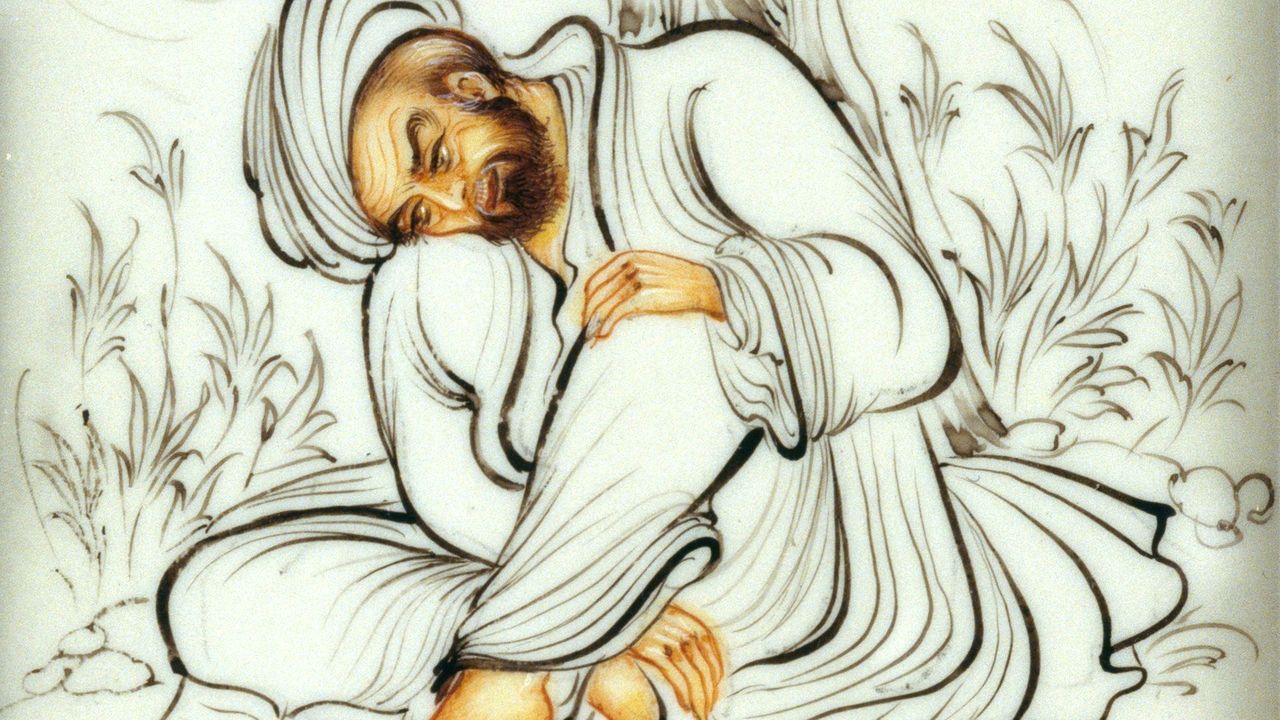
The Sacred Dust of Devotion
In the profound words of Hafiz, "The dust at the Beloved's threshold is dearer to me than seven kingdoms." This evocative statement encapsulates the essence of devotion, suggesting that the humble remnants found at the feet of the Divine hold greater value than the material wealth of empires. It invites us to reconsider our understanding of worth, urging us to find richness in the simplest of places, particularly in our relationship with the sacred. In a world often preoccupied with status and possessions, Hafiz's declaration serves as a poignant reminder of the spiritual treasures that lie in surrender and humility.
As we delve deeper into this quote, we uncover layers of meaning that speak to the heart of Sufi mysticism. The imagery of dust evokes a sense of grounding, of being intimately connected to the earth and the divine. It suggests that true wealth is not found in the accumulation of riches but in the profound love and devotion we cultivate towards the Beloved. This perspective challenges us to shift our focus from external validations to the internal richness that arises from a deep, abiding relationship with the sacred, illuminating the path of spiritual fulfillment.
The image / the metaphor
The imagery of "dust" at the threshold is rich with connotations. Dust, often seen as insignificant and mundane, becomes a symbol of the sacred when placed in the context of the Beloved. The threshold itself represents a liminal space, a point of transition between the ordinary and the divine. The choice of the word "dearer" indicates a profound emotional attachment, suggesting that the speaker finds more value in this humble dust than in the grandeur of kingdoms. This juxtaposition of the lowly and the exalted invites us to reconsider our own values and what we hold dear.
Diving deeper into the metaphor, we can interpret the dust as a representation of humility and surrender. In Sufi thought, the act of bowing before the Beloved, of recognizing one's own smallness in the vastness of the divine, is a crucial aspect of spiritual practice. The dust signifies the remnants of the self, the ego that must be relinquished to fully embrace the divine presence. Thus, Hafiz's words challenge us to find beauty and worth in our devotion, suggesting that the act of loving and surrendering to the Beloved transforms the mundane into the extraordinary.
In the speaker's tradition
Hafiz's quote resonates deeply within the Sufi tradition, which emphasizes the importance of love, devotion, and the quest for union with the Divine. Concepts such as "fana," or the annihilation of the self in the presence of the Beloved, echo throughout Sufi literature. This notion aligns with the idea that true wealth lies not in material possessions but in the depth of one's love and connection to the divine. The dust at the threshold symbolizes the surrender of the self, a key tenet in Sufi practice, where the seeker learns to dissolve their ego in the face of divine love.
In the context of Sufi poetry, Hafiz's sentiment can be paralleled with the works of Rumi, who often spoke of the ecstatic love for the Beloved. Rumi's poetry similarly elevates the humble and the ordinary, suggesting that the path to enlightenment is paved with love and devotion. In "The Masnavi," Rumi writes about the importance of longing for the Divine, emphasizing that the heart's yearning is what leads to spiritual awakening. Both poets illuminate the idea that the treasures of the heart far surpass any worldly riches.
Living the teaching
Consider a modern scenario where this teaching might resonate: a person grappling with the pressures of societal expectations, striving for success and recognition. In this context, Hafiz's words can serve as a gentle reminder to pause and reflect on what truly matters. Instead of chasing after accolades and material wealth, one might find solace in the simple acts of kindness, love, and devotion to others. This shift in perspective can lead to a more fulfilling life, where the richness of experience outweighs the allure of status.
In relationships, the teaching can manifest in the way we value our connections with others. Imagine a moment of conflict with a loved one, where pride and ego threaten to create distance. By embracing the essence of Hafiz's message, one might choose to prioritize humility and understanding over being "right." In doing so, the dust at the threshold becomes a metaphor for the willingness to let go of grievances and embrace the sacredness of love, ultimately enriching the relationship and fostering deeper connections.
A reflection
As we contemplate Hafiz's profound declaration, we are invited to reflect on our own values and what we hold dear. What does it mean for you to find beauty in the humble and the ordinary? In what ways can you cultivate a deeper sense of devotion in your life, prioritizing love and connection over material pursuits? Allow these questions to guide your contemplation, leading you to discover the sacred dust at your own threshold.



Join the BrightStar Community
Stay connected with daily inspiration, event announcements, and community wisdom