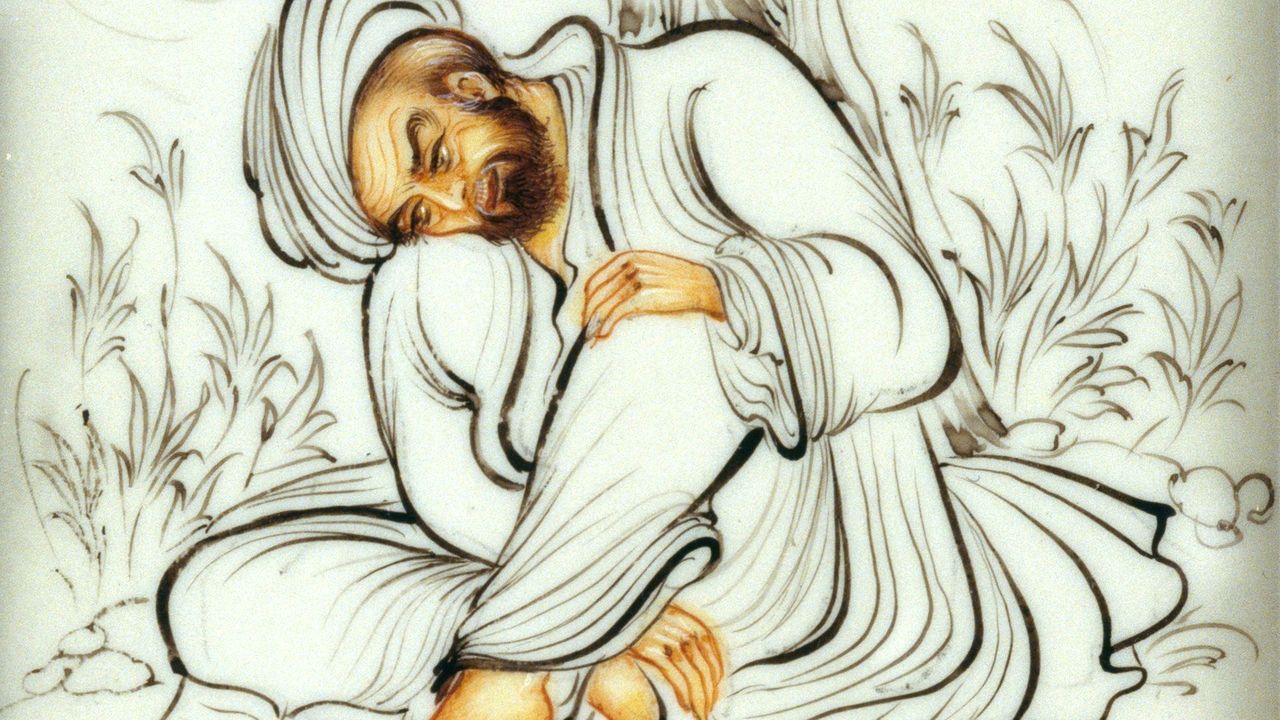
The Heart's Journey to the Beloved
In the poignant words of Hafiz, "The bird of my heart has flown to the rose of the Beloved," we encounter a profound expression of longing and devotion. This imagery encapsulates the soul's yearning for union with the divine, a theme that resonates deeply within the Sufi tradition. The heart, often depicted as a bird, seeks the beauty and love represented by the rose, symbolizing the Beloved. This quote invites us to reflect on our own desires and the spiritual journeys we undertake in search of connection and fulfillment.
Hafiz's words evoke a sense of both loss and hope, suggesting that the heart's flight toward the Beloved is both an act of liberation and a recognition of separation. The longing inherent in this journey speaks to the universal human experience of searching for meaning and love beyond the material world. As we delve into this quote, we are called to explore the depths of our own hearts and the ways in which we seek to bridge the gap between our earthly existence and the transcendent love that awaits us.
The image / the metaphor
The imagery in Hafiz's quote is rich and evocative. The "bird of my heart" suggests a sense of freedom and vitality, embodying the essence of our innermost feelings and desires. The act of flying conveys movement, aspiration, and the inherent restlessness of the heart as it seeks its true home. The "rose of the Beloved" serves as a powerful symbol of beauty, love, and divine presence, inviting us to consider what we hold sacred in our lives. Together, these images create a dynamic interplay between longing and fulfillment, urging us to reflect on our own quests for connection.
Diving deeper into the metaphor, we can see that the bird's flight is not merely a physical journey but a spiritual one. It represents the soul's quest for enlightenment and union with the divine. The rose, with its delicate petals and intoxicating fragrance, symbolizes the divine love that nourishes and inspires us. This metaphor invites us to recognize that our longing is not just a personal yearning but a universal call to return to the source of love and beauty that transcends our individual experiences. In this light, the heart's flight becomes a sacred pilgrimage toward wholeness.
In the speaker's tradition
Hafiz's work is deeply rooted in the Sufi tradition, which emphasizes the importance of love, longing, and the quest for divine union. Concepts such as *fana* (the annihilation of the self in the presence of the divine) and *bhakti* (devotional love) resonate strongly within this context. The heart's journey to the Beloved reflects the Sufi understanding that true fulfillment lies in surrendering the ego and embracing a love that transcends the self. This journey is not merely an emotional experience but a transformative process that leads to spiritual awakening.
In the context of Sufi literature, we can draw parallels to the works of Rumi, another luminary of this tradition. Rumi often speaks of the soul's longing for the Beloved, portraying love as a force that compels us to seek deeper truths. His poem "The Guest House" invites us to welcome all emotions as part of the spiritual journey, emphasizing that each feeling brings us closer to understanding our connection with the divine. Both Hafiz and Rumi illuminate the path of love as a means of transcending the mundane and embracing the sacred.
Living the teaching
In our modern lives, the teaching encapsulated in Hafiz's quote can manifest in various ways. Consider a moment when you feel a deep yearning for connection—perhaps in a relationship that feels distant or in a pursuit that seems just out of reach. This longing can serve as a catalyst for introspection, prompting us to explore what truly nourishes our hearts. By acknowledging this desire and allowing ourselves to be vulnerable, we open the door to deeper connections with others and with ourselves, ultimately leading us closer to the divine love that Hafiz speaks of.
Another application of this teaching can be found in daily practices that cultivate awareness and presence. For instance, engaging in meditation or contemplative prayer can help us attune to the whispers of our hearts, allowing us to recognize the beauty and love that surround us. In moments of difficulty or uncertainty, we can remind ourselves of the rose—the divine presence that offers solace and guidance. By embracing our longing as a sacred journey, we can transform our experiences of separation into opportunities for growth and connection.
A reflection
As we reflect on Hafiz's evocative words, we are invited to consider the nature of our own hearts. What is the "rose" that calls to you, and how does your heart express its longing for connection? In this moment of contemplation, let us ask ourselves: How can we honor our desires while remaining open to the divine love that awaits us? This question invites us to explore the depths of our longing and to recognize the beauty that lies in the journey toward the Beloved.




Join the BrightStar Community
Stay connected with daily inspiration, event announcements, and community wisdom