The Wide Path of Understanding
In the words of Hafiz, "O ascetic, mock not the drunkard — the way is wide." This profound statement invites us to reflect on the nature of judgment and the vastness of the spiritual journey. It suggests that the paths we tread are varied and that each individual’s experience, no matter how seemingly divergent, holds intrinsic value. The essence of this quote lies in its call for compassion and openness, urging us to recognize that every soul is navigating their own unique terrain, often with struggles that may not be visible to others.
Hafiz, a luminary of Sufi poetry, invites us to transcend our limited perceptions and embrace a more expansive view of existence. The ascetic, often seen as a figure of discipline and restraint, is cautioned against deriding the drunkard, who may symbolize indulgence or a lack of control. This juxtaposition serves as a reminder that the spiritual path is not linear; it is a wide and winding road where each traveler, regardless of their choices, is seeking connection, understanding, and ultimately, the divine. In this light, the quote becomes a gentle nudge towards humility and acceptance.
The image / the metaphor
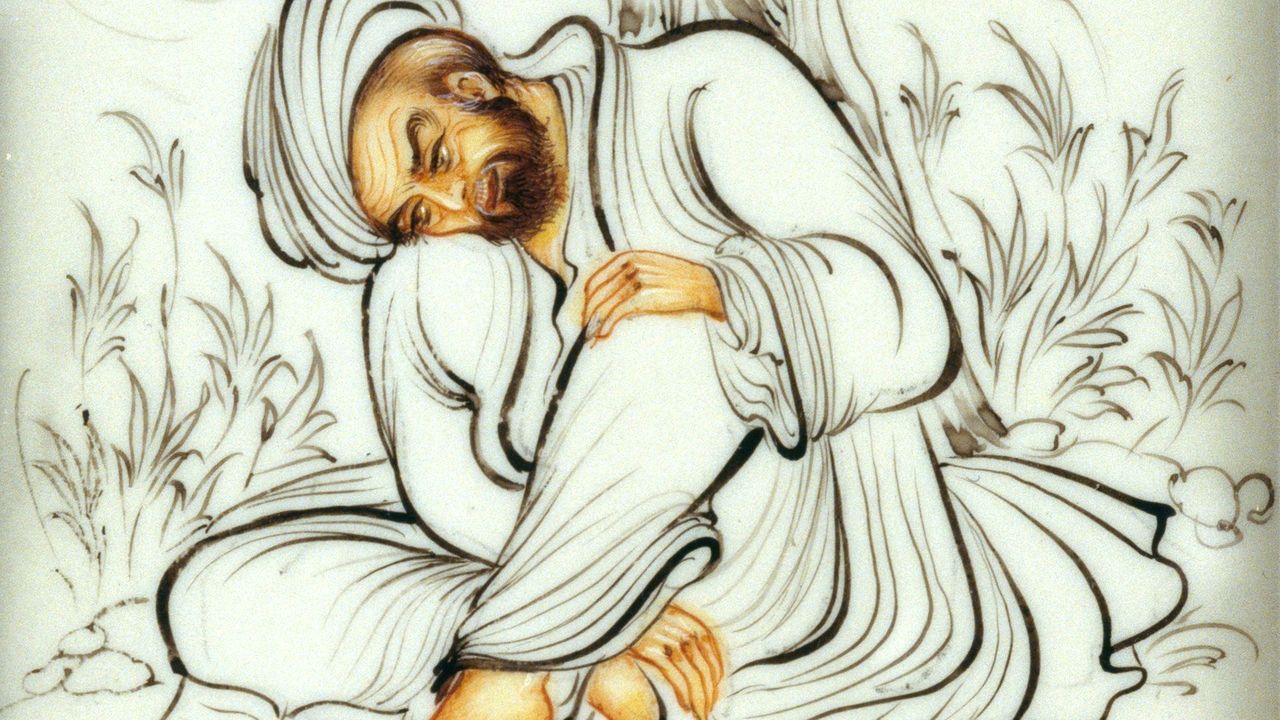
The imagery in Hafiz's quote is striking and layered. The ascetic represents a disciplined seeker, often revered for their commitment to spiritual practice, while the drunkard embodies a more chaotic, uninhibited approach to life. The term "mock" evokes a sense of derision, suggesting that the ascetic's judgment is rooted in a misunderstanding of the drunkard's journey. The phrase "the way is wide" conveys a sense of inclusivity, indicating that there is ample space for all experiences within the spiritual landscape.
Diving deeper into the metaphor, we can see that the drunkard may not merely represent a person who is intoxicated by substances but can also symbolize anyone who is lost in the throes of their desires, emotions, or life circumstances. The wide path signifies that there is room for all kinds of experiences and expressions on the spiritual journey. It encourages us to acknowledge that every individual, regardless of their struggles or choices, is part of a larger tapestry of existence, each thread contributing to the whole.
In the speaker's tradition
Hafiz's wisdom is deeply rooted in the Sufi tradition, which emphasizes love, unity, and the quest for divine truth. Concepts such as *fana* (the annihilation of the self) and *bhakti* (devotional love) resonate with the essence of this quote. The Sufi path often encourages practitioners to embrace the totality of human experience, recognizing that both asceticism and indulgence can lead to profound insights about the self and the divine. In this context, the drunkard's journey may be seen as a necessary phase of exploration that can ultimately lead to spiritual awakening.
In the *Divan*, Hafiz often employs the imagery of wine and intoxication as metaphors for divine love and ecstasy. This aligns with the Sufi understanding that true enlightenment can come from surrendering to the experience of life, even when it appears chaotic or misguided. The *Masnavi* of Rumi, another Sufi master, echoes this sentiment, illustrating how the path to God can be found in the most unexpected places, urging us to embrace all aspects of our humanity.
Living the teaching
Consider a modern scenario where this teaching resonates: a workplace environment where colleagues often judge one another based on their differing approaches to tasks. An ascetic might view a more carefree colleague as irresponsible, failing to recognize that their creativity and spontaneity can lead to innovative solutions. By embodying Hafiz's wisdom, one could approach such differences with curiosity rather than contempt, understanding that each person's style contributes to the collective success of the team.
In personal relationships, this teaching can manifest during moments of conflict. When faced with a partner who seems to indulge in behaviors we deem unwise, we might be tempted to judge harshly. However, embracing the wide path invites us to explore the underlying reasons for their actions, fostering empathy and understanding. By recognizing that each person is on their own journey, we can cultivate a deeper connection that honors both our differences and shared humanity.
A reflection
As we contemplate Hafiz's words, we are invited to examine our own tendencies toward judgment. How often do we find ourselves mocking or dismissing the paths of others, believing our way to be superior? In this moment of reflection, let us ask ourselves: What would it mean to embrace the wide path, allowing for the richness of diverse experiences to inform our understanding of the world and each other?



Join the BrightStar Community
Stay connected with daily inspiration, event announcements, and community wisdom